Manufacturer
Titan Trailers
Steve Banner meets Alex Adams to learn how Titan Trailers built a UK reputation…
Read the feature Subscribe
 Issue #31 · October 2026
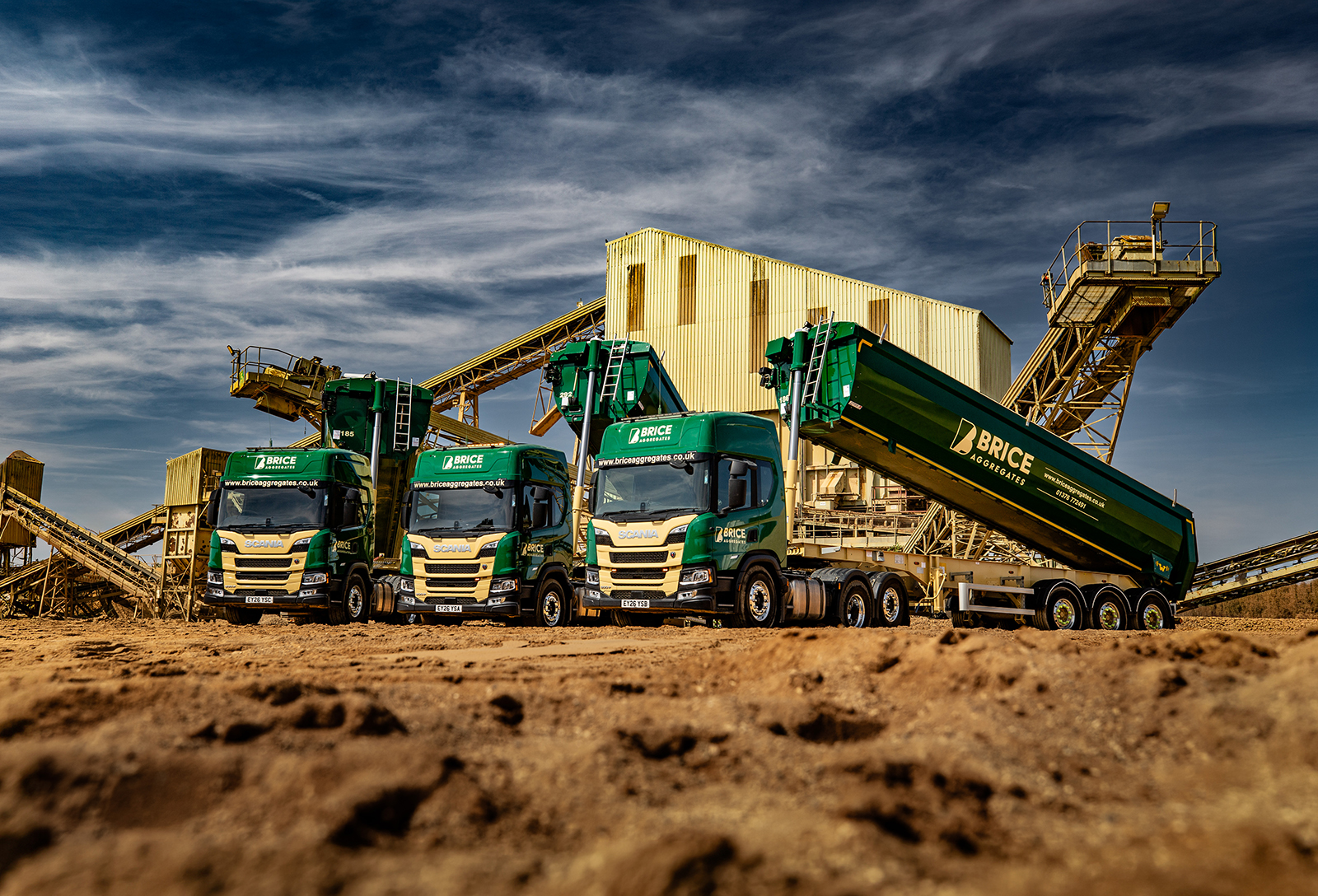
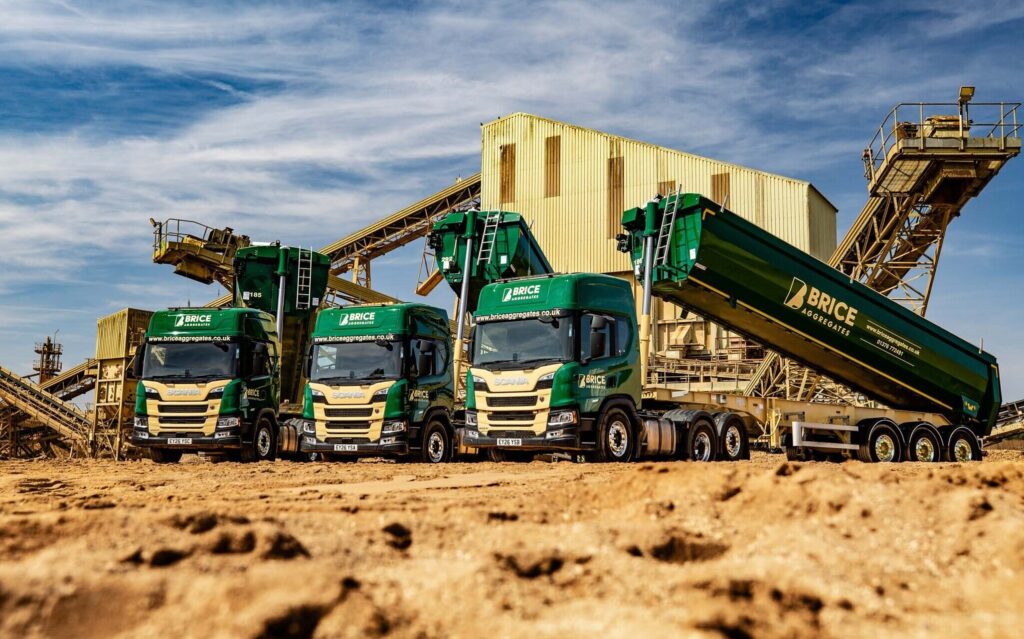
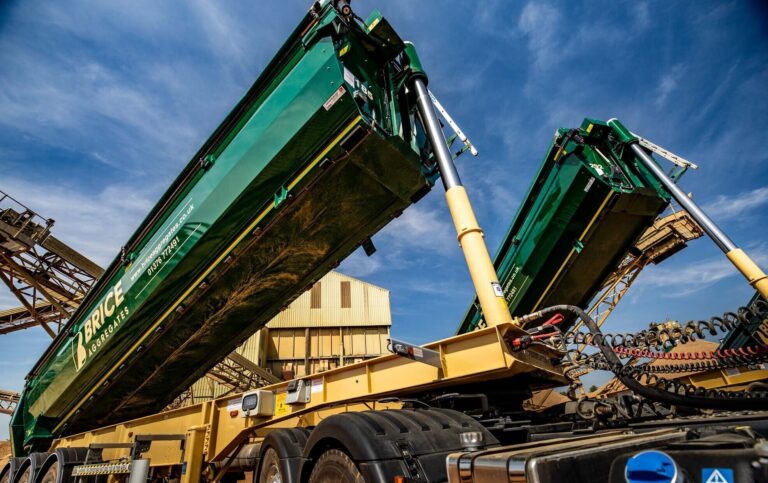
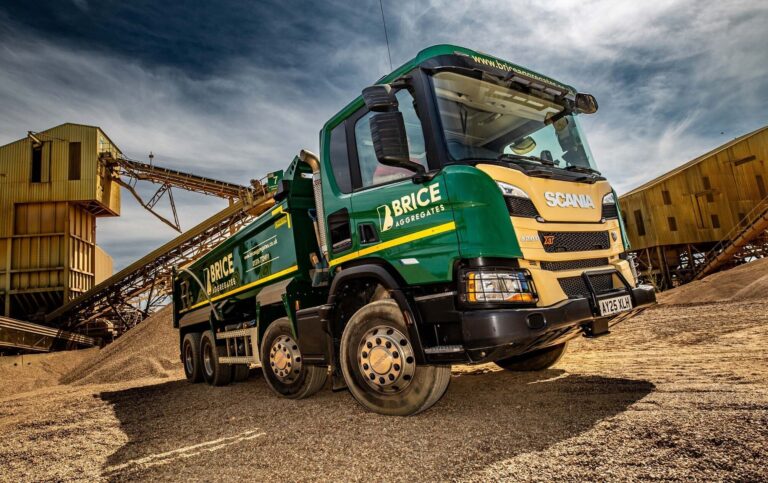
Dan Parton finds out how head of transport Matt Challinor is shaping Brice Aggregates’ fast-growing fleet, boosting fuel efficiency and driving sustainability across its quarry operations while maintaining strong service and deep community ties
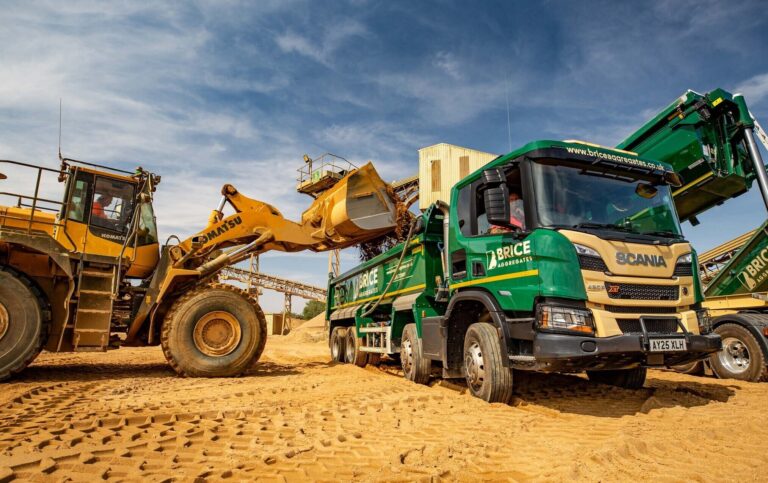
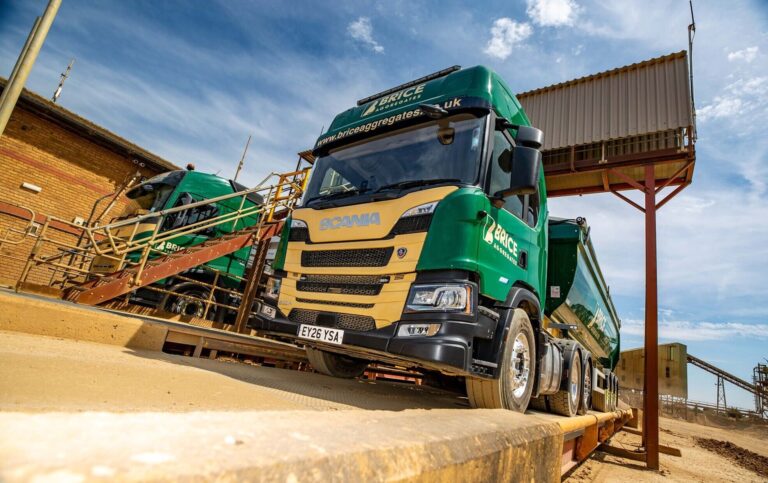
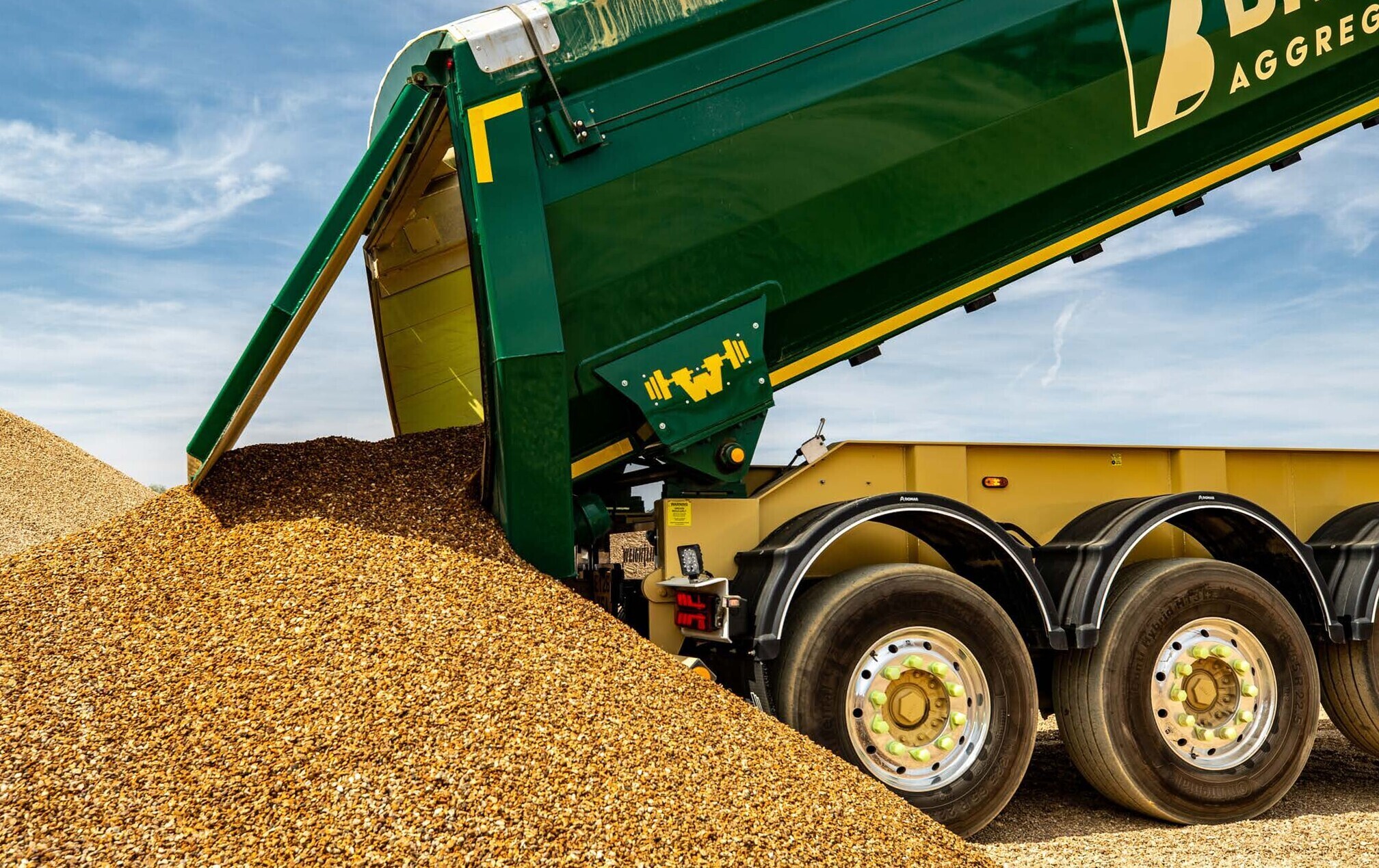
With their striking green and yellow livery, Brice Aggregates’ trucks are a familiar sight on roads around the South East of England, delivering aggregate and ready mix concrete to a broad range of customers.
Two depots bookend that patch: Coleman’s Quarry at Witham in Essex, where Brice started, and the newer Needingworth site near St Ives in Cambridgeshire. Between them, the teams supply everything from national housebuilders and civils contractors to local merchants and independent groundwork firms. Loads range from small domestic drops to full day work on major pours, but the expectations stay the same: arrive on time, work courteously and keep the trucks clean.
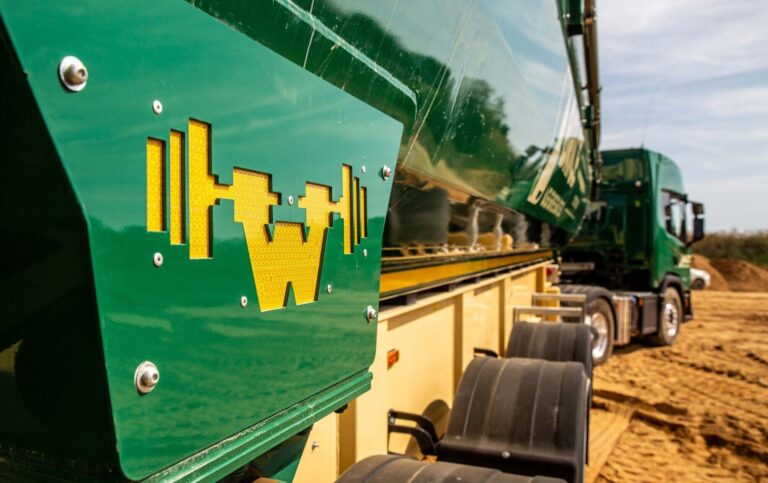
The latest additions reflect that profile: three Scania P500 tractor units paired with Weightlifter bodies have just landed for the two fleets running out of the firm’s two bases, with another two to follow very soon. “They’re perfect for the job,” says Matt Challinor, head of transport at Brice Aggregates.
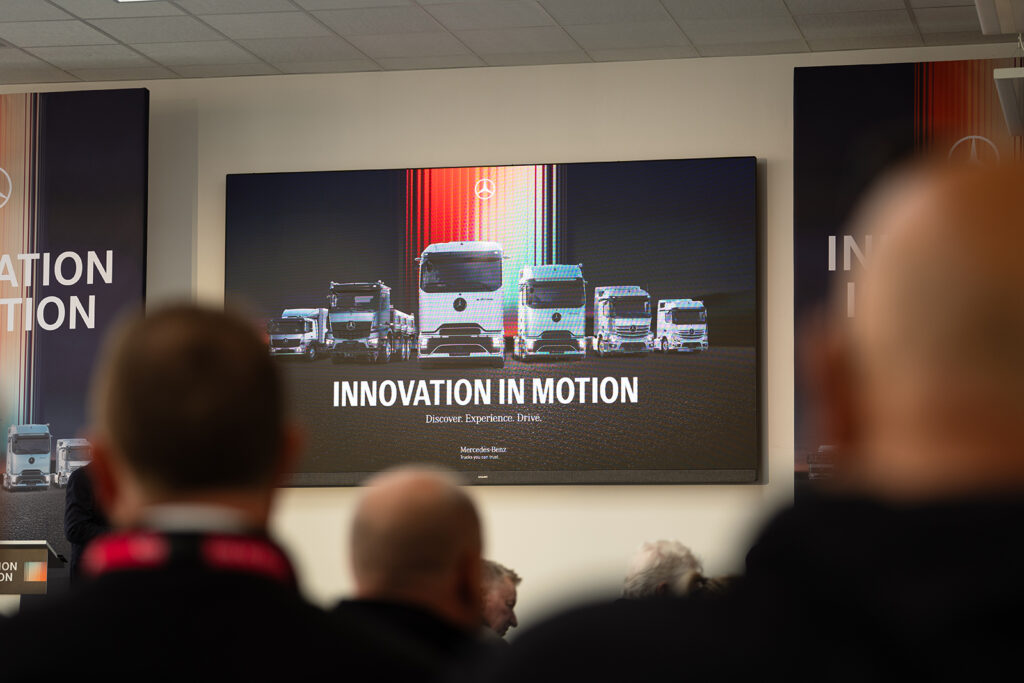
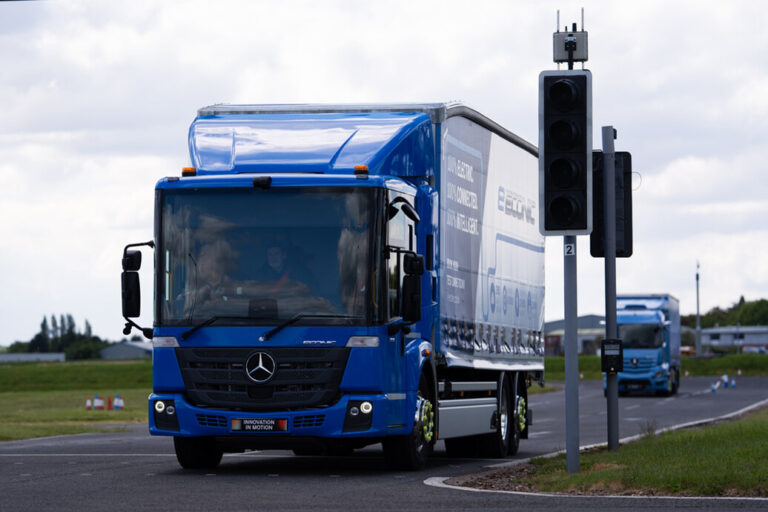
Rebooting the parts pipeline Bob Beech finds out how Mercedes-Benz Trucks is rebuilding its parts pipeline, rebooting dealer coverage and refining its digital support. Then he puts Actros L, eActros 600, eEconic and Arocs 3240 through their paces at Mira
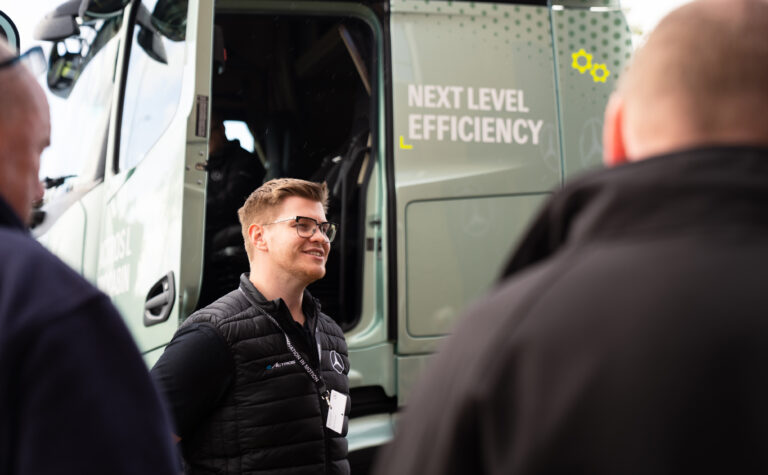
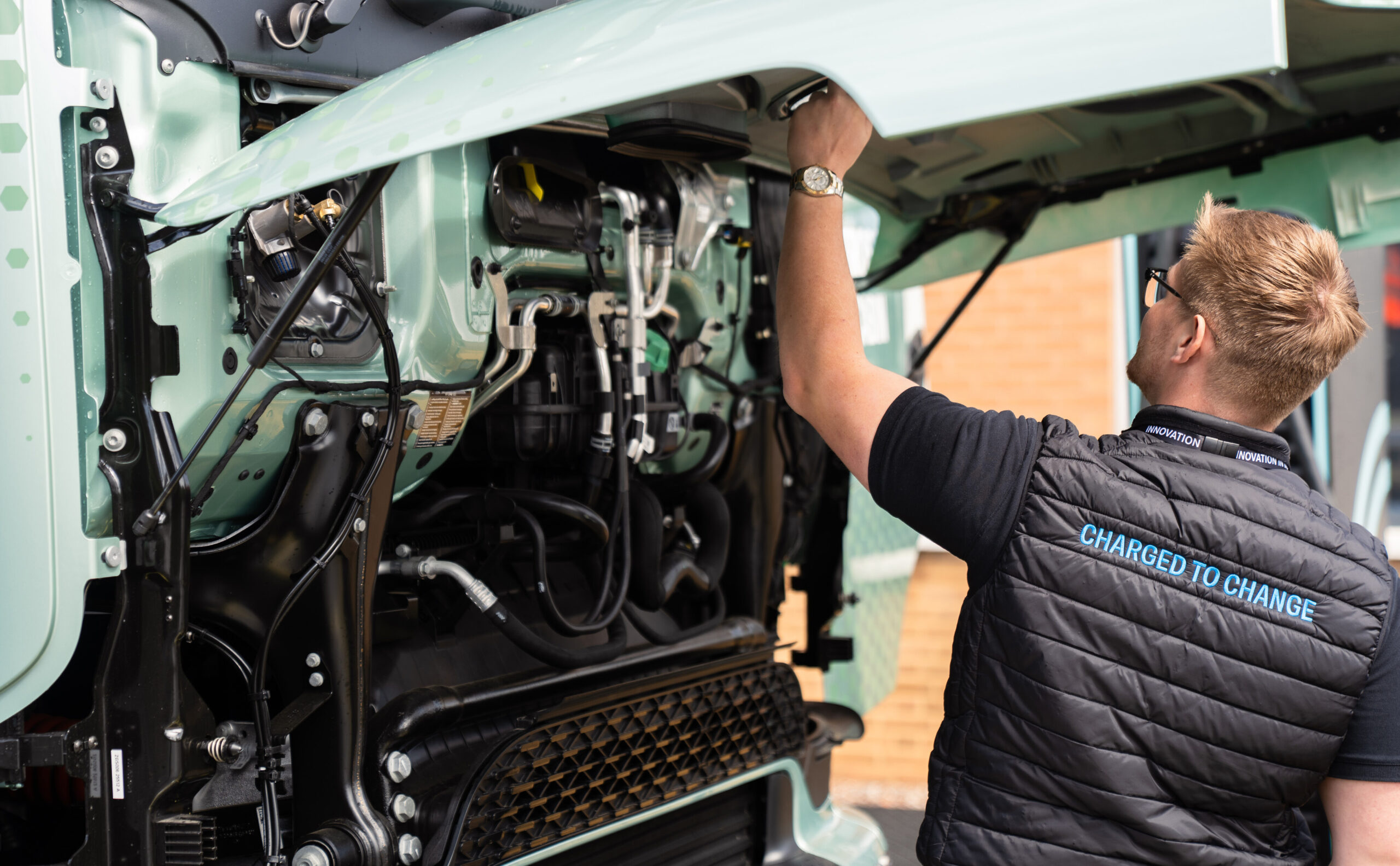
We were at HORIBA MIRA near Nuneaton for a Daimler Trucks showcase of new aftermarket products and services for Mercedes-Benz commercial vehicles, with time behind the wheel of the latest models too.
Many operators will know Mercedes-Benz Trucks ran into post-Covid parts supply issues, compounded in some areas by dealer closures. To its credit, the company has been open about it and is now investing heavily across the parts supply chain, dealer network and wider aftermarket to put things right.
The event ran over several days for operators and the dealer network, with the press invited on day one. We heard about new dealer points being established, notably in Scotland where coverage has been thin. Mercedes-Benz Trucks is working closely with partners to improve that coverage, blending private investment with manufacturer backing.
Progress has been made, but the rebuild isn’t finished yet. A major new Ciceley Commercials site just off the M8 at EuroCentral near Motherwell is under way and set to open later this year.
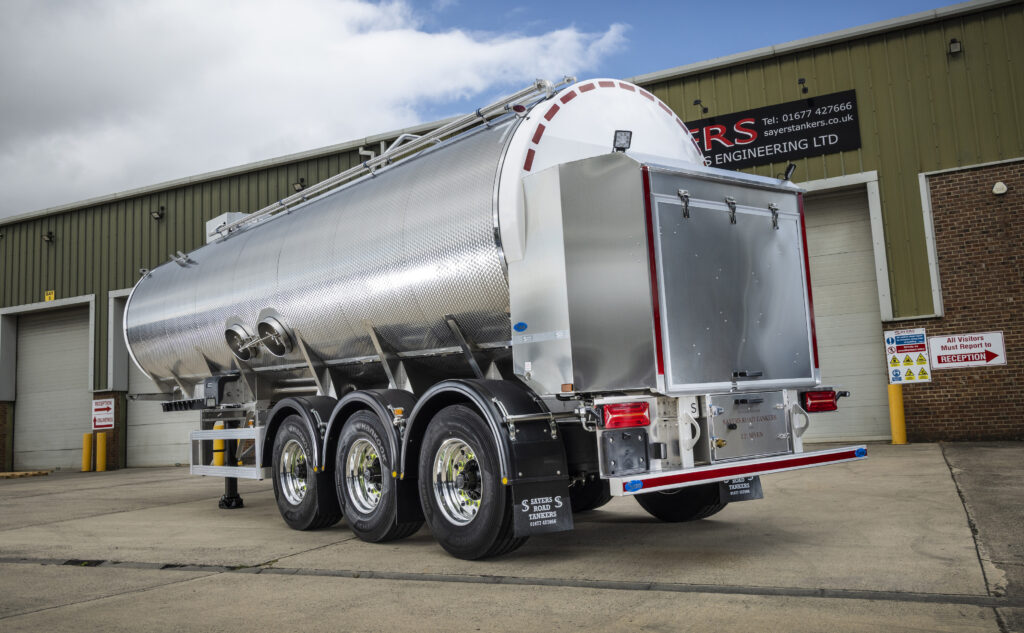
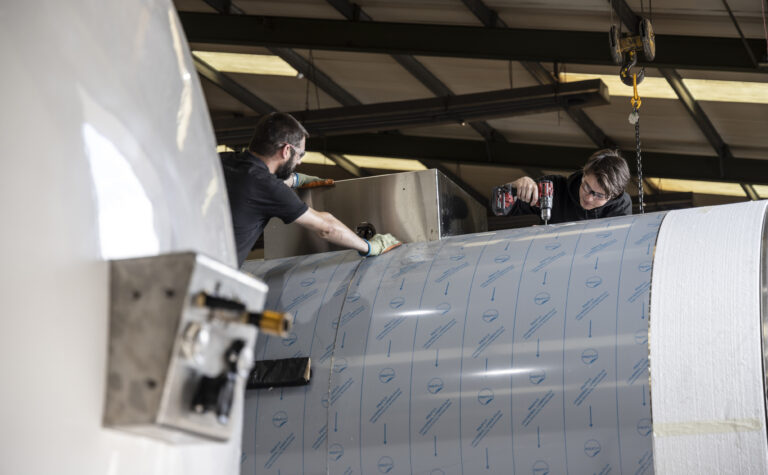
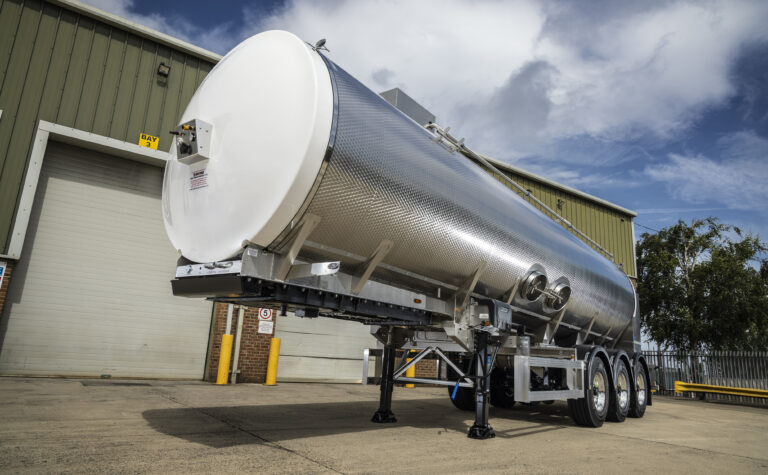
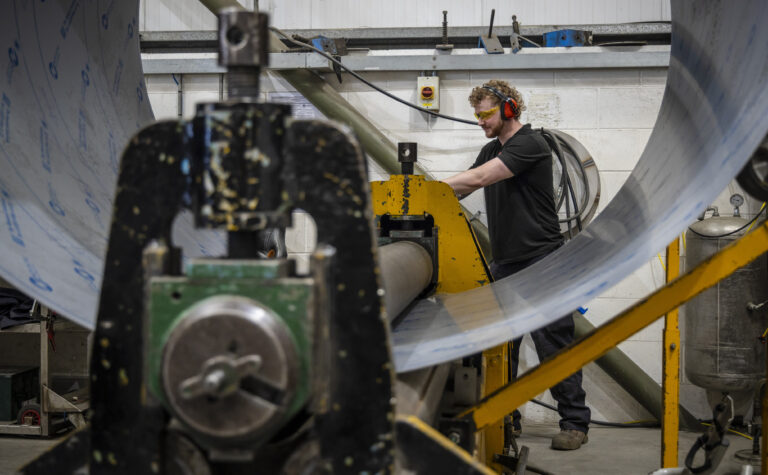
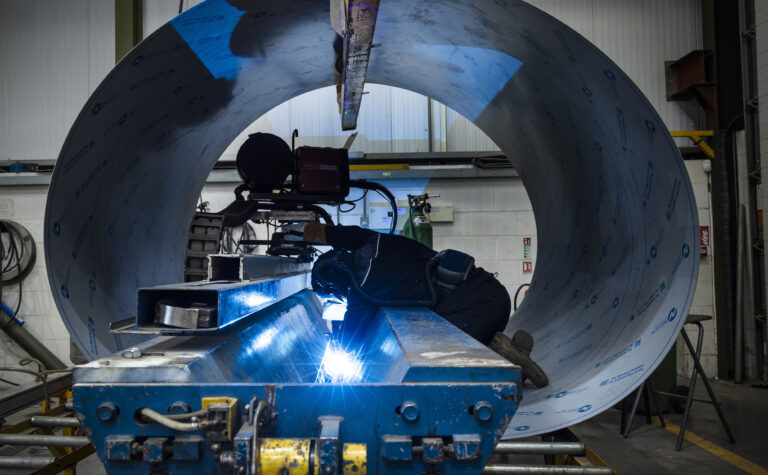
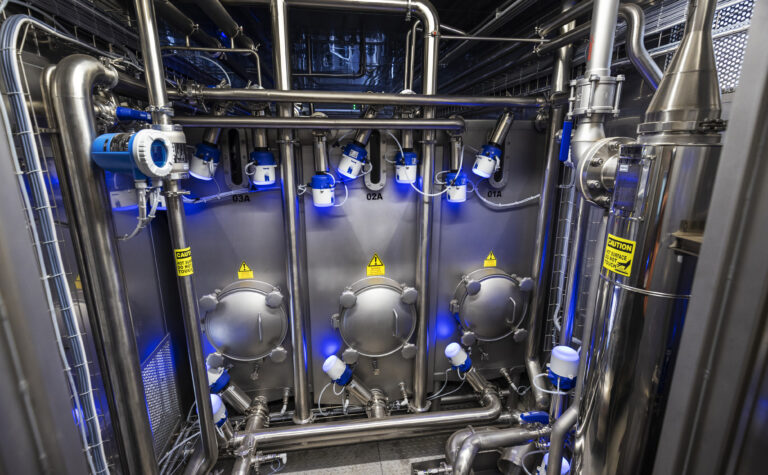
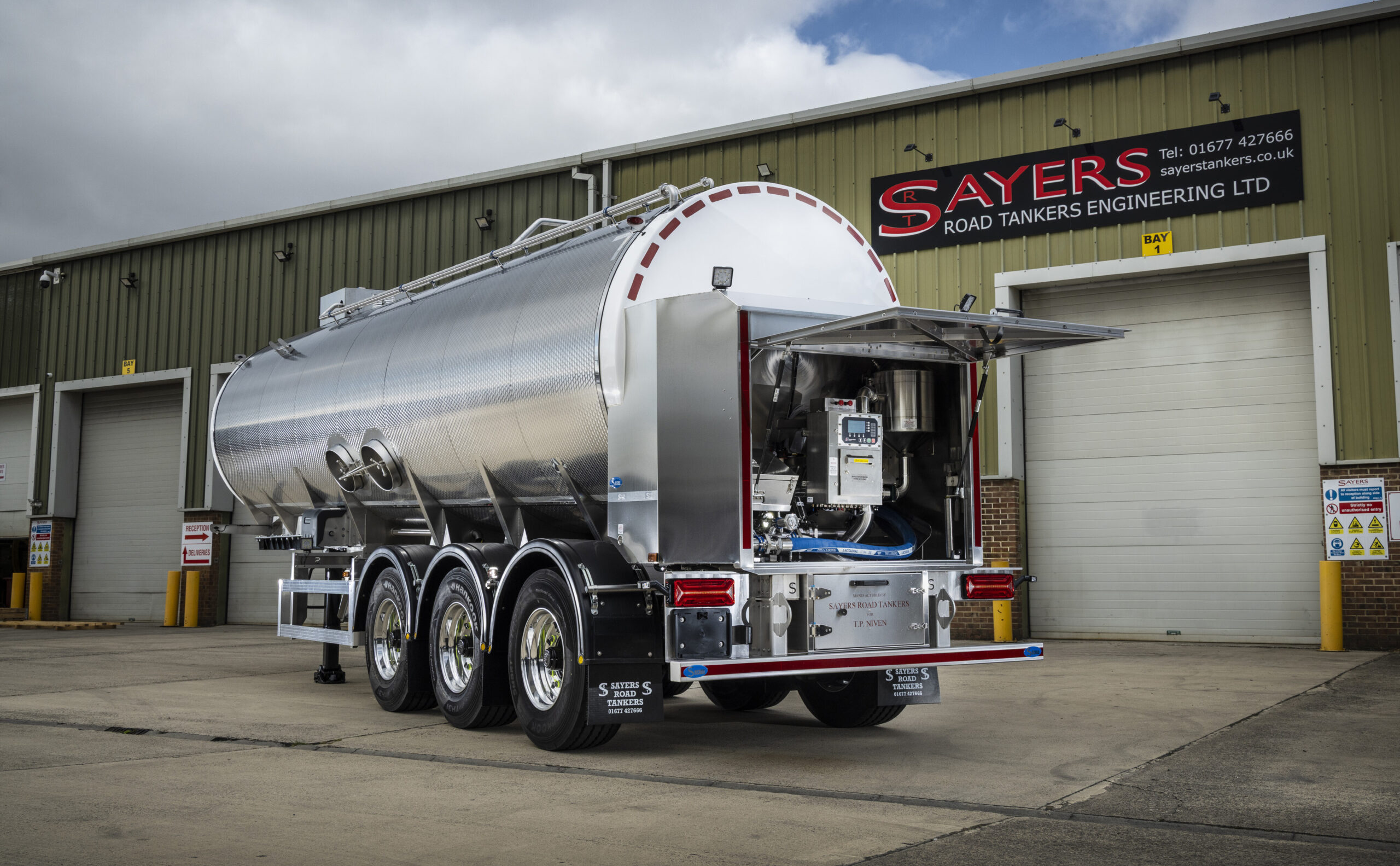
Bob Beech meets managing director Jonny Allinson and general manager Stuart Newton at Sayers Road Tankers to learn how measured capacity, diversification and first-class support keep the North Yorkshire business resilient
Finding the right balance between demand, manageable operations and, crucially, profit is a perennial test for manufacturers. When orders surge and rivals appear to be gaining ground, the lure of big investments to ramp up output is strong. Yet many in vehicle, trailer and bodywork sectors have discovered too late that new capacity can come on stream just as demand cools.
The industry offers plenty of cautionary tales of mismatched capacity and market reality, ending in long-term financial strain or worse. Sayers Road Tankers in North Yorkshire has ridden more than three decades of tanker-market cycles by building enough new-product capacity to meet deadlines, keep customers, win new ones and remain profitable in the long term, without risking the company’s future.
A key plank of that stability is a parallel range of products and services tied directly to bulk haulage. Alongside building tankers, the team runs a separate hire operation offering spot hire from a couple of weeks through to multi-year contracts, with rental-to-purchase an option.
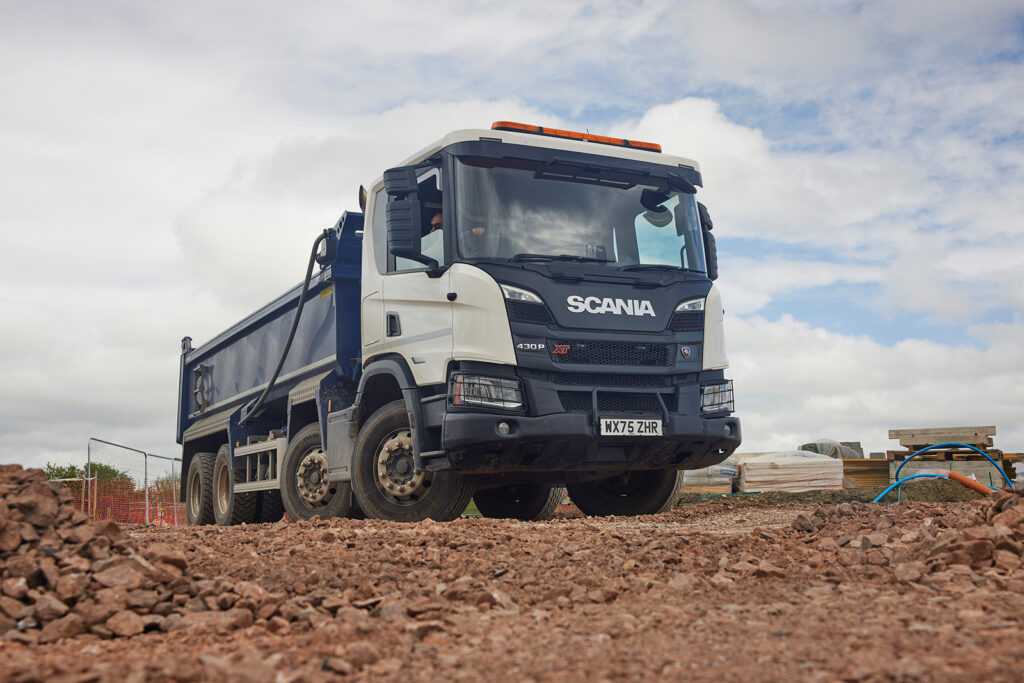
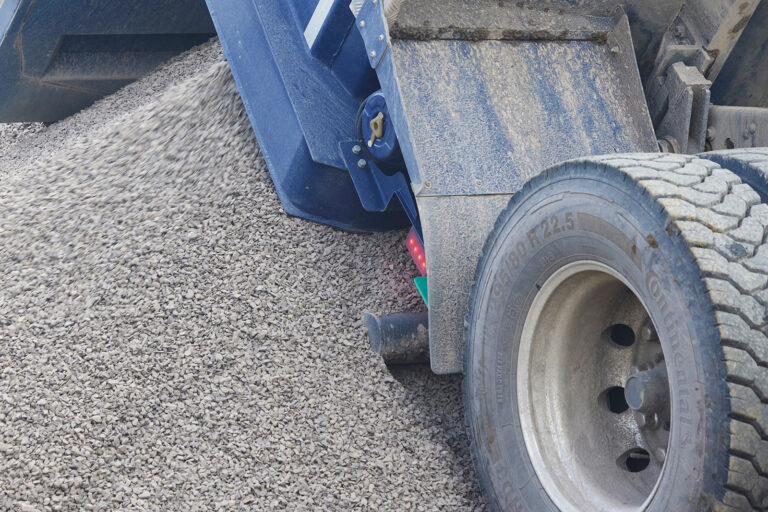
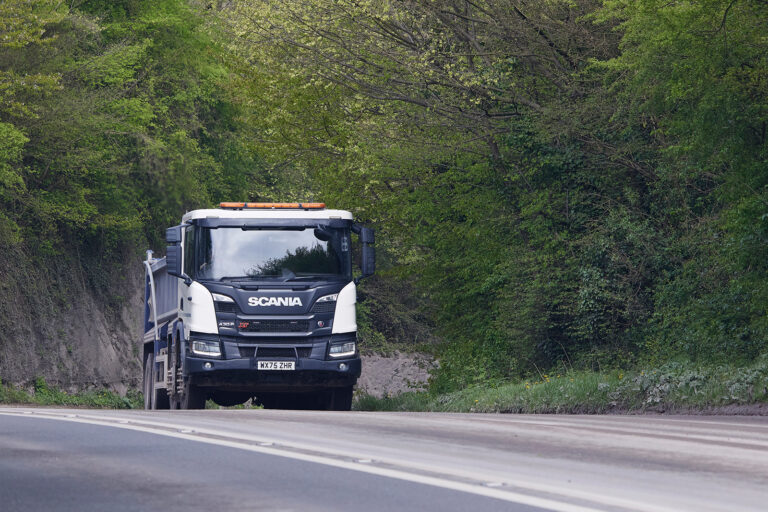
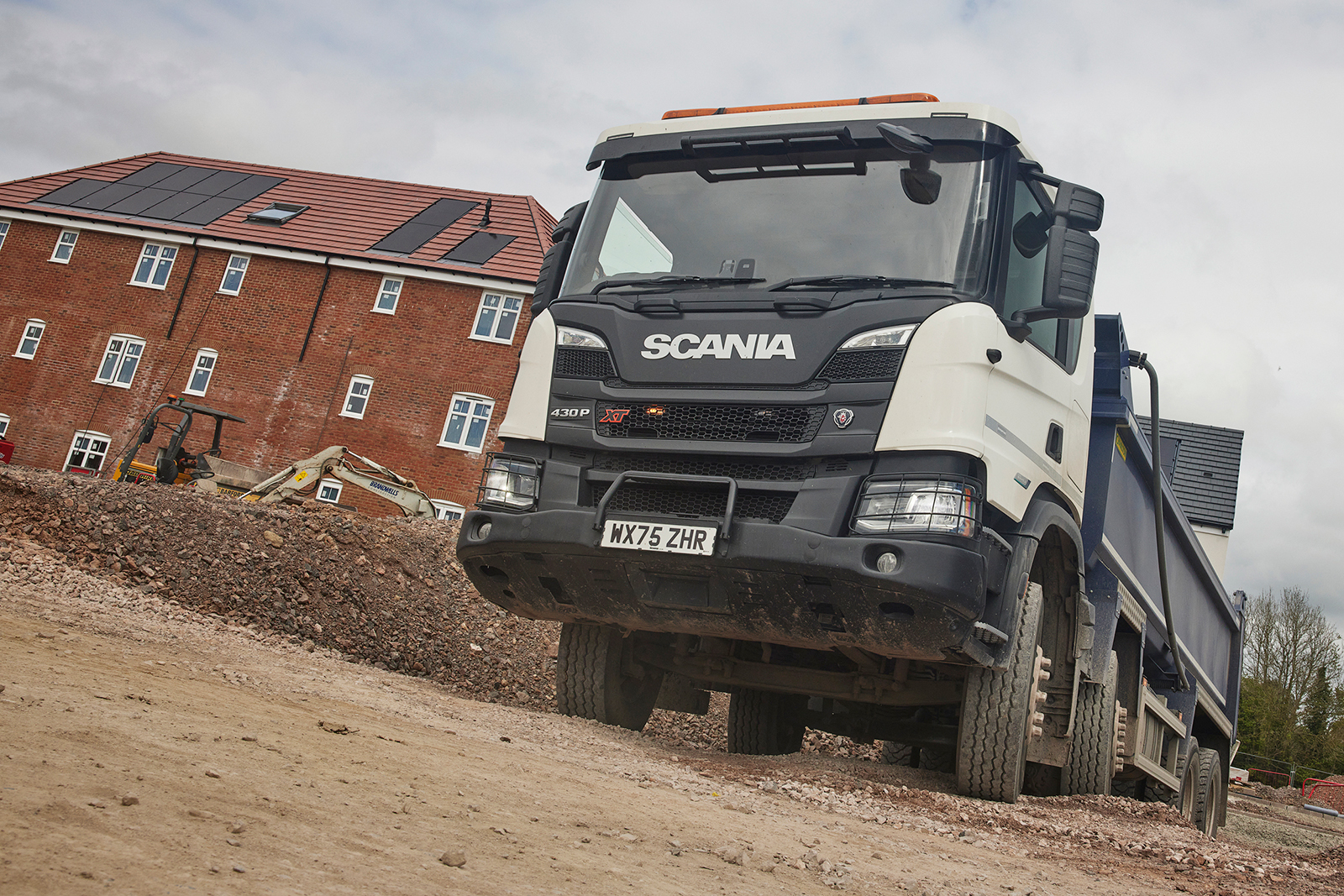
Bob Beech finds out how Scania’s new five-cylinder, 10.6-litre, super-powered 430P XT tipper stacks up on Mendip muckaway work over five demanding days, and how it measures up on payload, performance and economy
Scania has been a fixture in the UK tipper market for more than fifty years, first with 6x2 and 6x4 rigids before the first 8x4s arrived in the early 1980s with the Two Series. A loyal following grew in certain sectors, although the original four-spring rear bogie was complex and limited in articulation. The step-change came with a more robust two-spring design, trialled in small numbers on late Two Series and then adopted widely on Three Series P93 and P113 models. Straight beam front axles broadened appeal and, as muckaway operators tried Scania for the first time, the mix of performance, reliability, dealer back-up and driver appeal pushed sales on.
The Four Series of the mid-90s built on that success. Extended warranties and inclusive service packages folded into the purchase price helped operators look past the bottom-line quote, and market share in three and four-axle rigids rose sharply. A steadily expanding dealer network meant few tippers were far from Scania support. The next P, G and R ranges carried the theme on.
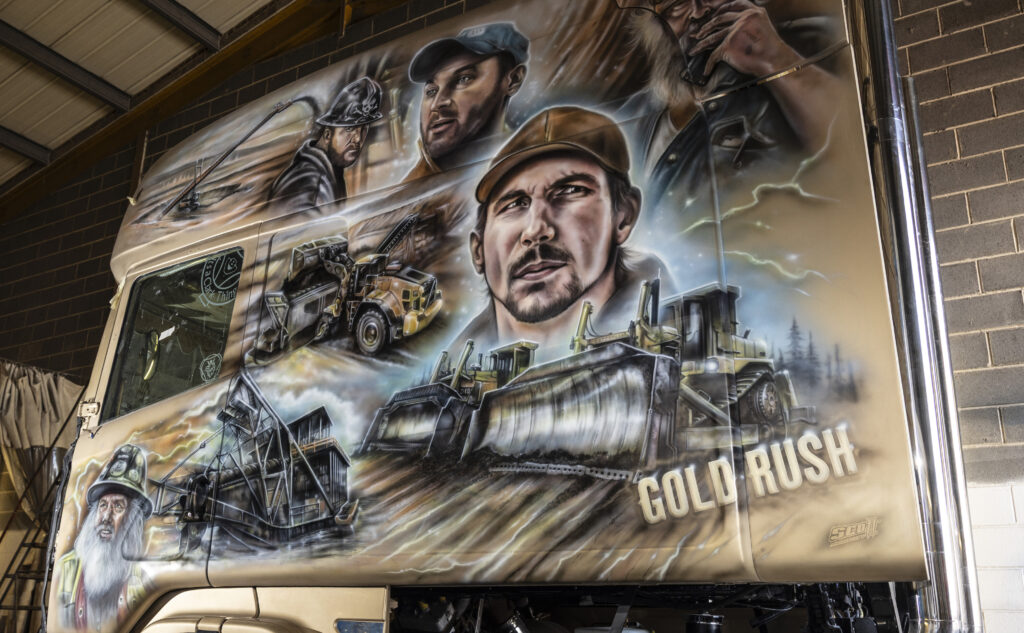
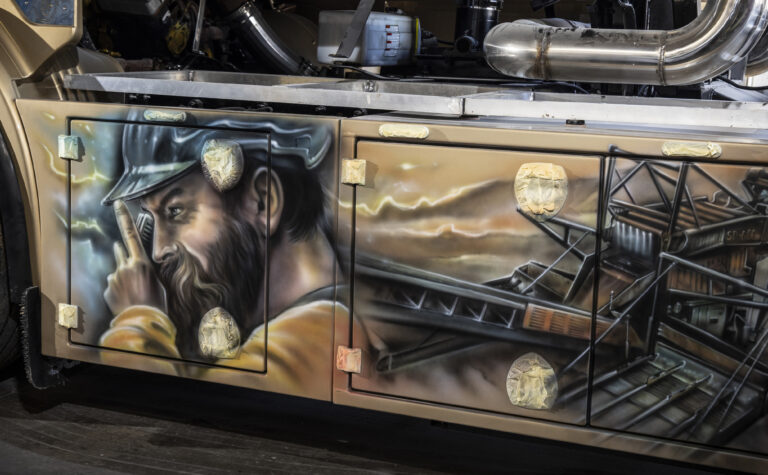
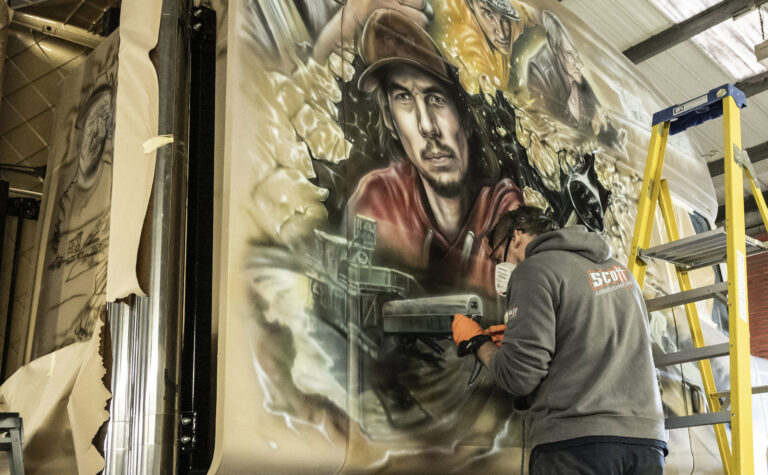
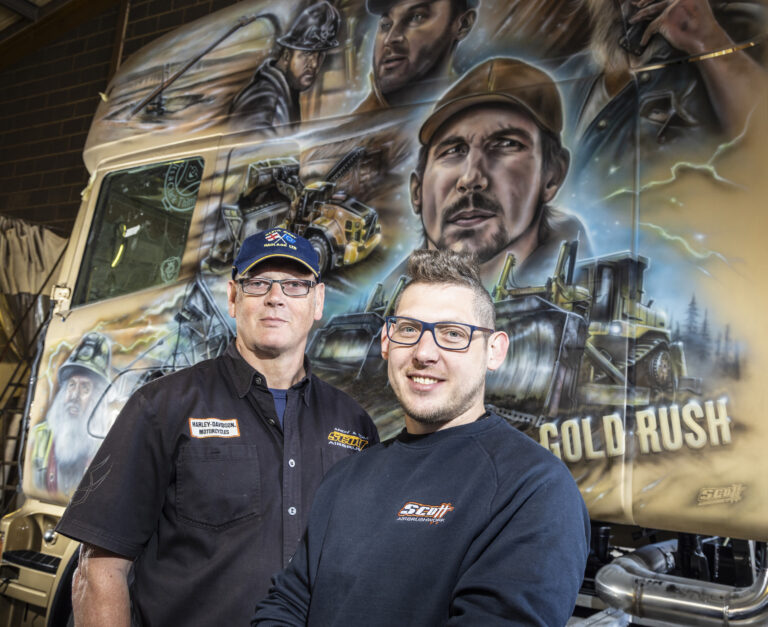
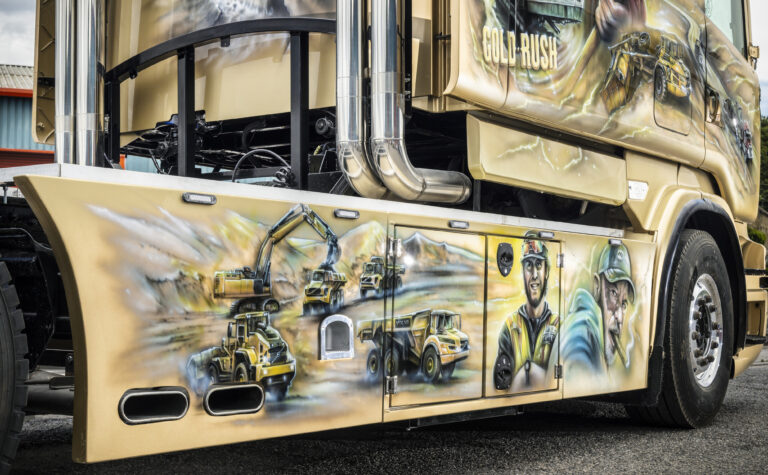
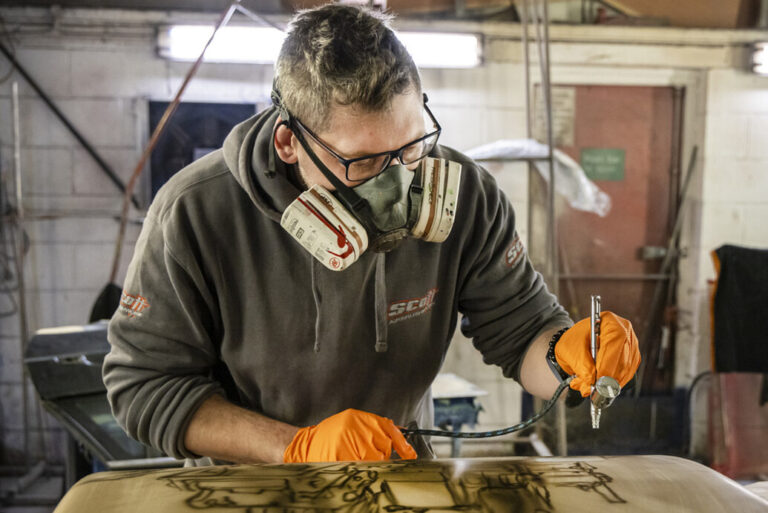
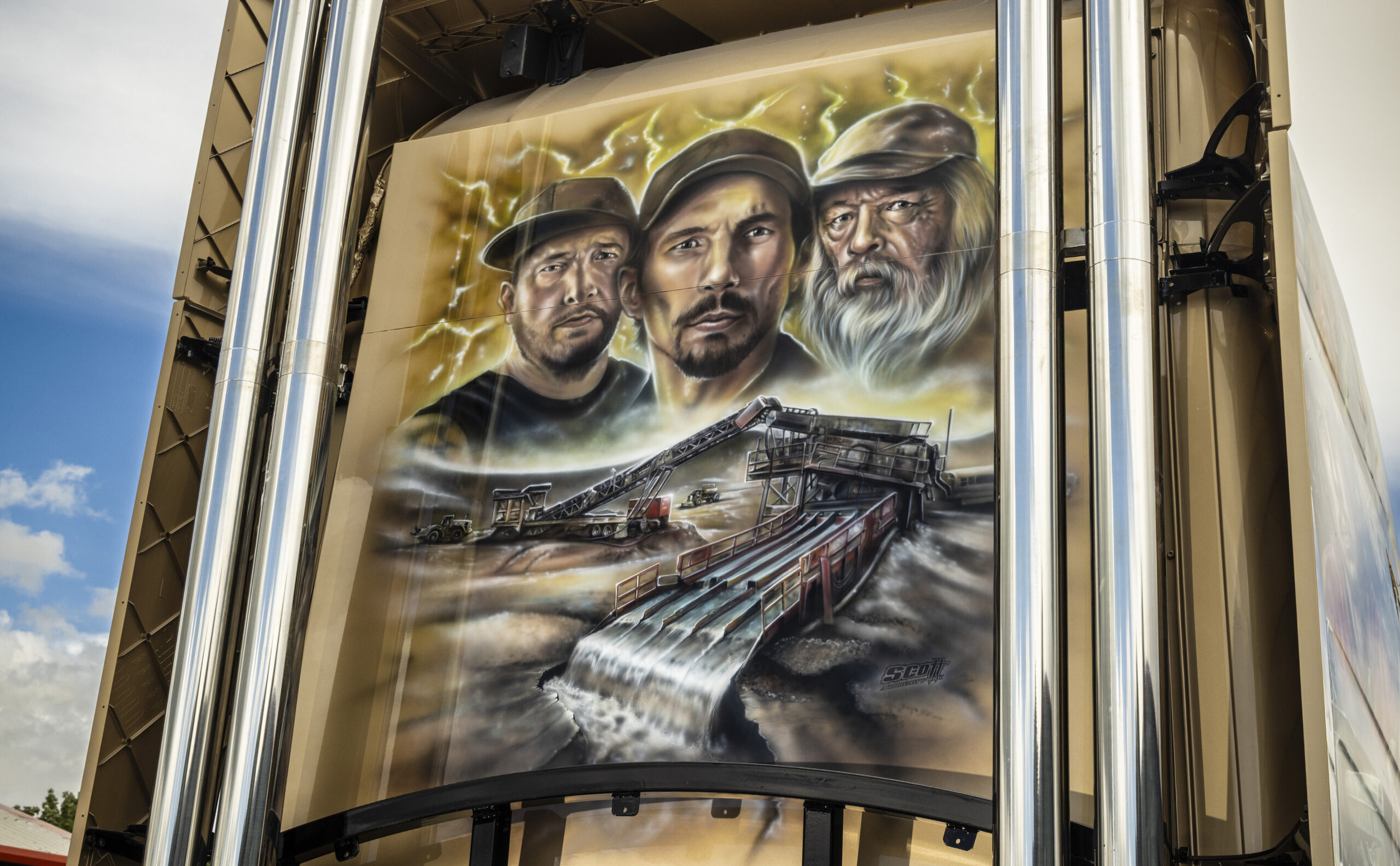
Scott Airbrushwork has been making vehicles stand out from the crowd for decades. Dan Parton meets Tom Scott, son of the company's founder Andy, to find out just how it creates such head-turning designs
If you have been to any truck show in the UK and beyond over the past few years and marvelled at the airbrushed trucks there, then you have probably encountered some of Scott Airbrushwork’s designs.
The company has been a well-known name on the truck customising scene for several decades, and has a broad spread of customers, from haulage operators wanting a spray-painted truck to celebrate an anniversary to bikers wanting a design on their helmet. “The range of work we have is really varied,” says Tom.
Tom usually works out of a paintshop in Barnsley, although he will travel to a customer’s location if the job requires it – usually if it is for something special.
He typically has a couple of trucks to work on every month, along with some more longer-term projects, although those are usually trucks that are being restored, rather than those that will be out on the road five days a week.
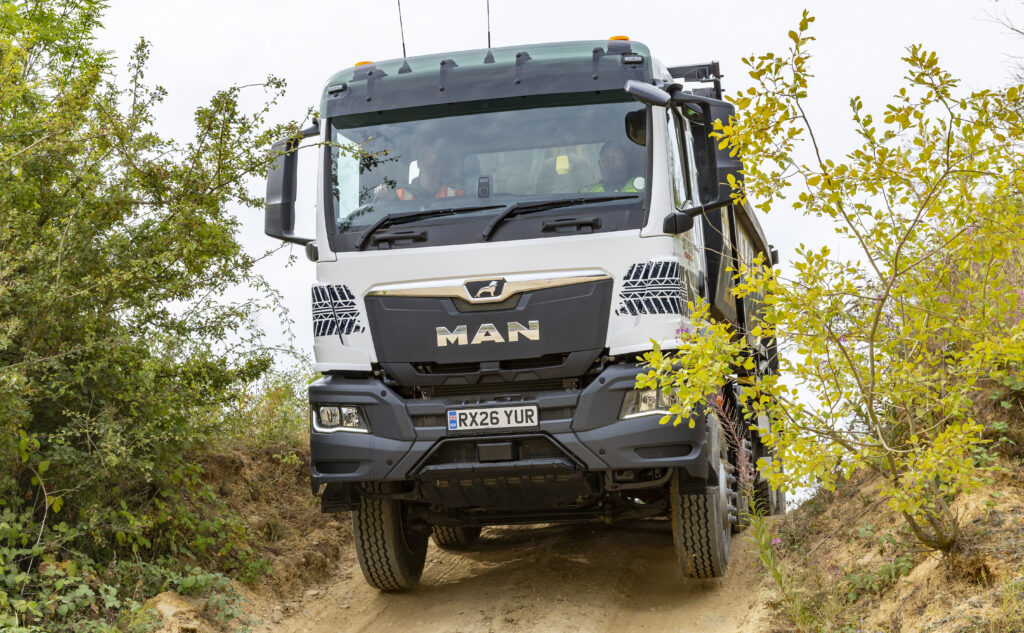
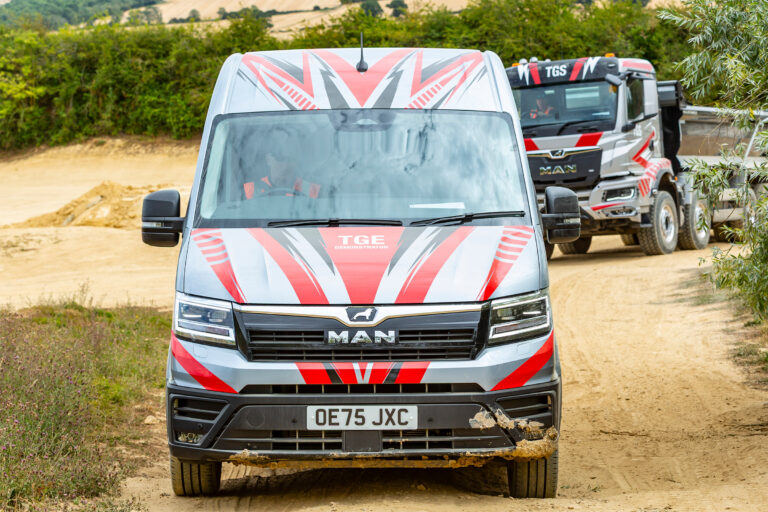
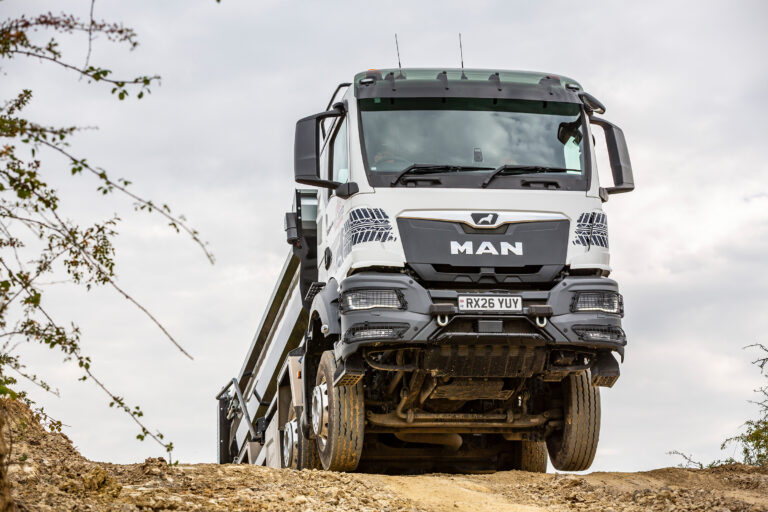
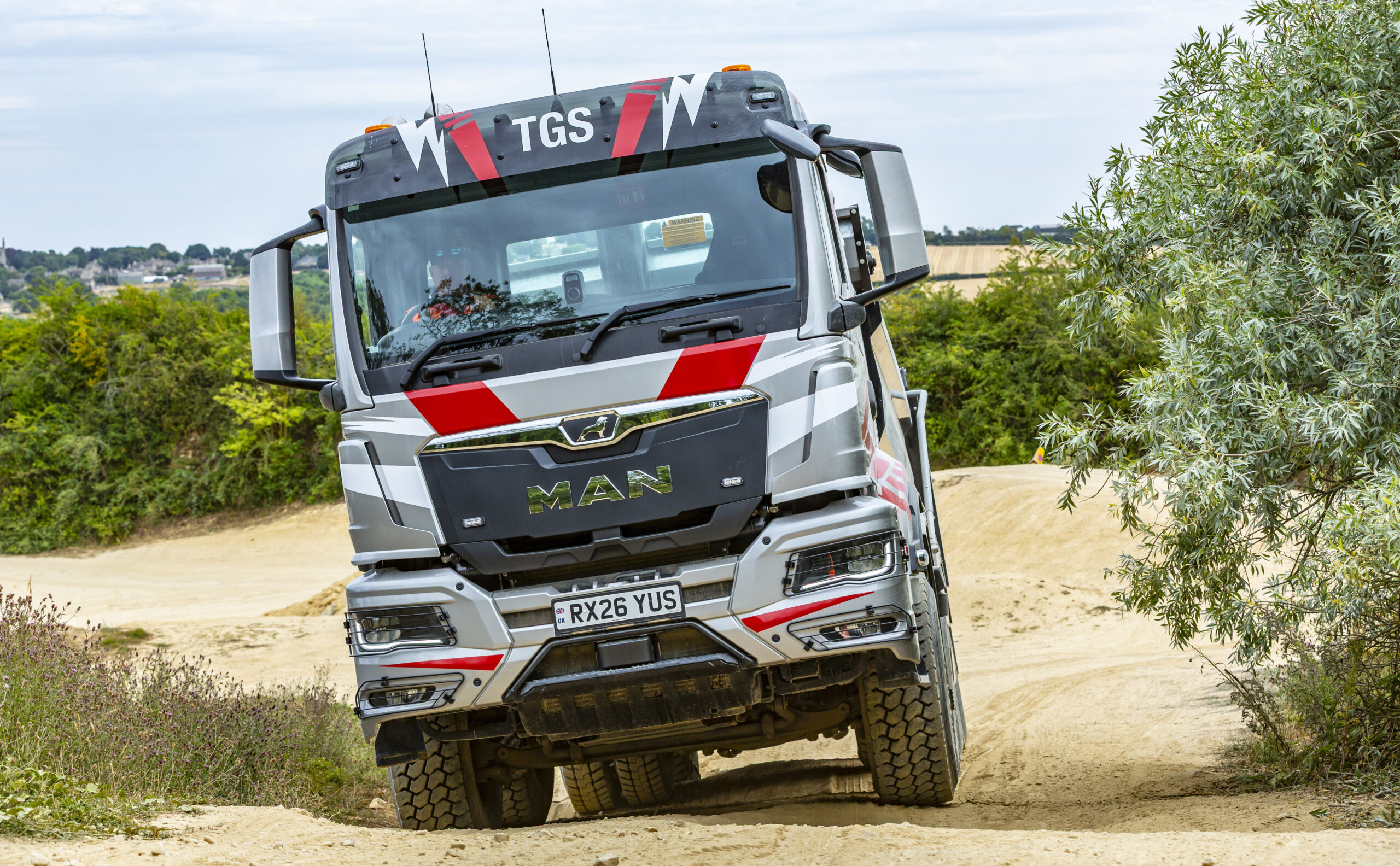
Bob Beech reports from Man’s Tixover Quarry Ride & Drive, where the latest TGS 8x4 chassis developments and the forthcoming D30 engine reveal how Man is refining payload, driveline durability and off-road capability for modern tipper work
MAN has been active in the UK 8x4 tipper market for more than 50 years. Never the outright market leader, the German-built four-axle chassis has nevertheless developed a loyal following in particular sectors, notably heavy muck shifting, where stout chassis, ample power and first-rate traction kept MANs moving when others faltered. That reputation still resonates in fleets that prize surefootedness over headline payload.
For a time, relatively high unladen weights put many aggregate fleets off MAN. That changed as successive MAN eight-wheelers shed weight while some rivals gained it by adopting heavier, higher-output drivelines that MAN had offered from the outset. In parallel, lightweight steel bodies trimmed tare for muckaway without sacrificing durability, and the added payload made these trucks viable on lighter-duty work too.
MAN also broadened its 8x4 offer with single-reduction drive axles to cut weight and fuel use. Improved single-reduction axles and the wider ratio spread of modern automated transmissions maintained off-road driveline durability even as power and torque…
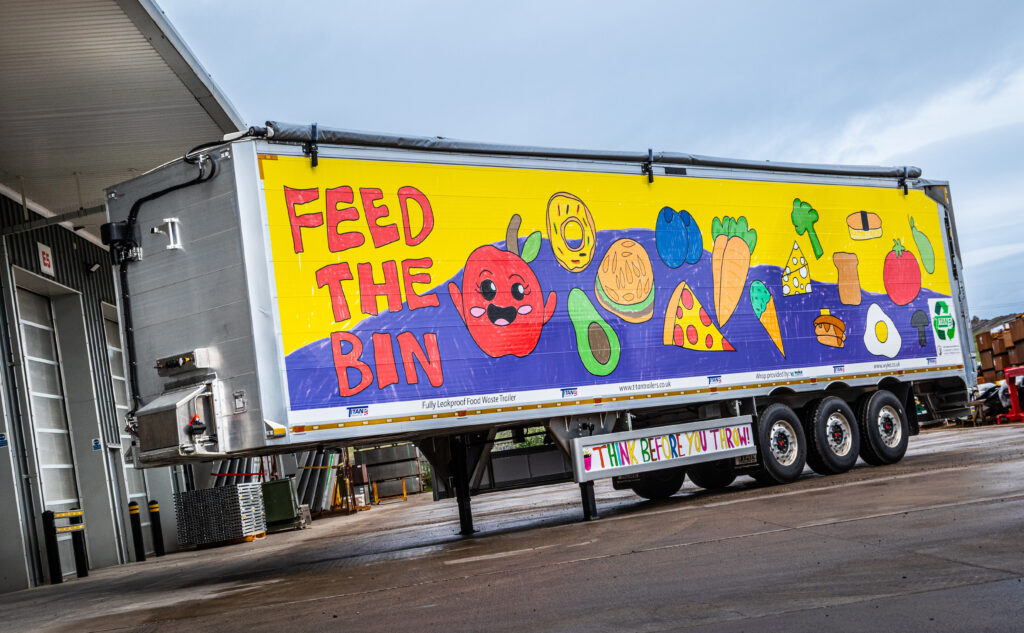
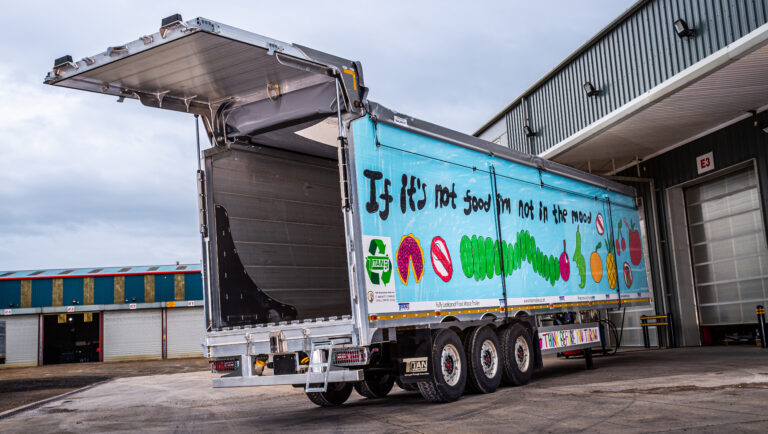
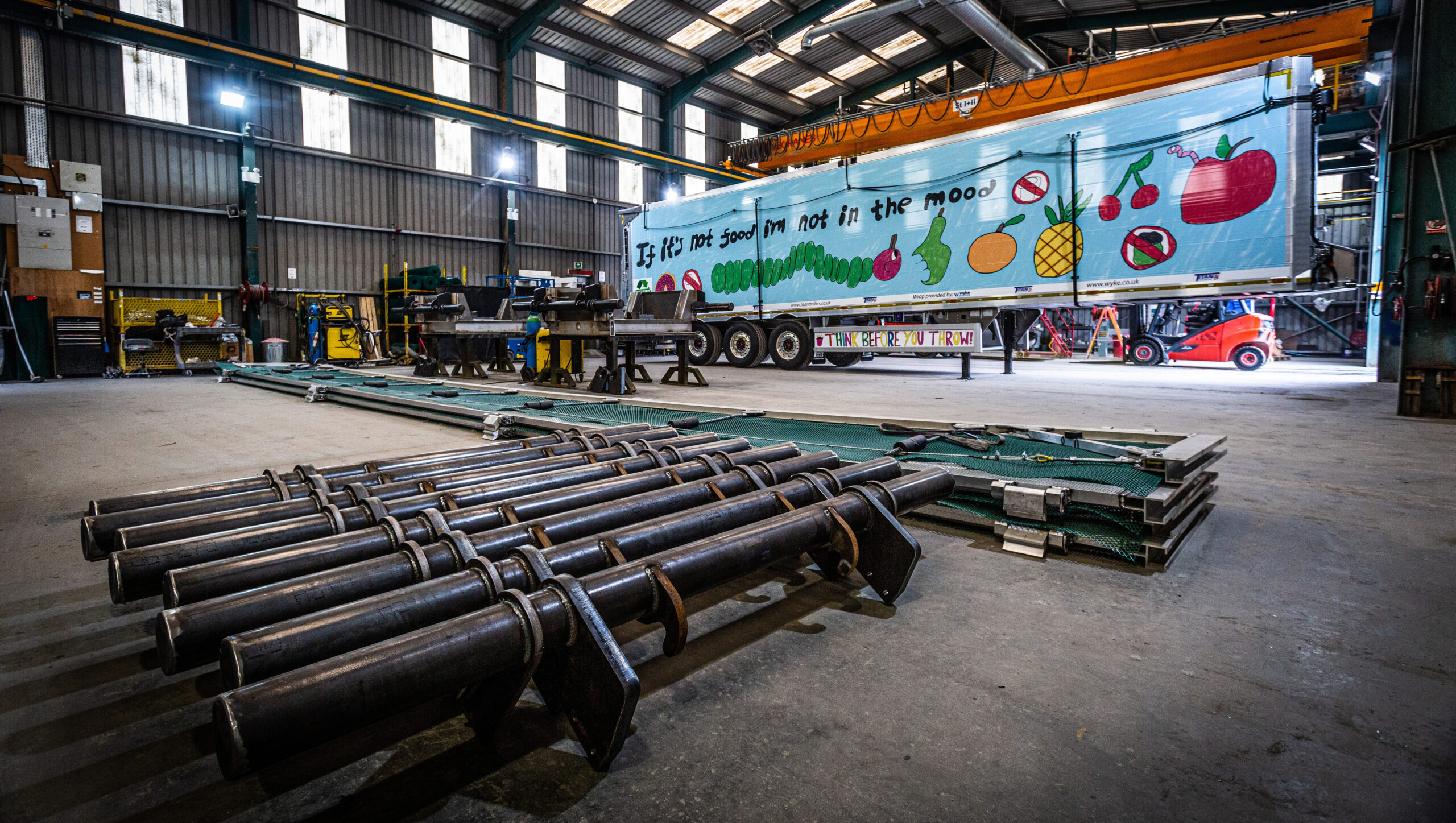
Steve Banner meets Alex Adams to learn how Titan Trailers built a UK reputation for hand-built, over-engineered moving-floor kit, and why a new leakproof food-waste model signals the next push
With a farming background, Canadian entrepreneur Mike Kloepfer knew exactly what trailers had to endure. He set out to build highly durable kit that could take the worst a farm could throw at it and keep doing a hard day’s work, day in, day out. That was well over 40 years ago. Since then Titan Trailers, the Ontario business he founded, has diversified and is best known in the British transport industry for high-quality moving-floor triaxle semi-trailers.
“They’ve got all-aluminium bodies and chassis,” says Alex Adams (inset), Titan’s UK operations manager. The body and chassis are integrated, he adds, for a true monocoque construction.
Titan first appeared in the UK in 2006, supplying a small number of trailers to selected hauliers. “One of those trailers is still in service,” he reports.
In 2009 Titan joined forces with Colledge Trailers, which began assembling under licence at its Middlesbrough premises from kits shipped from Canada.
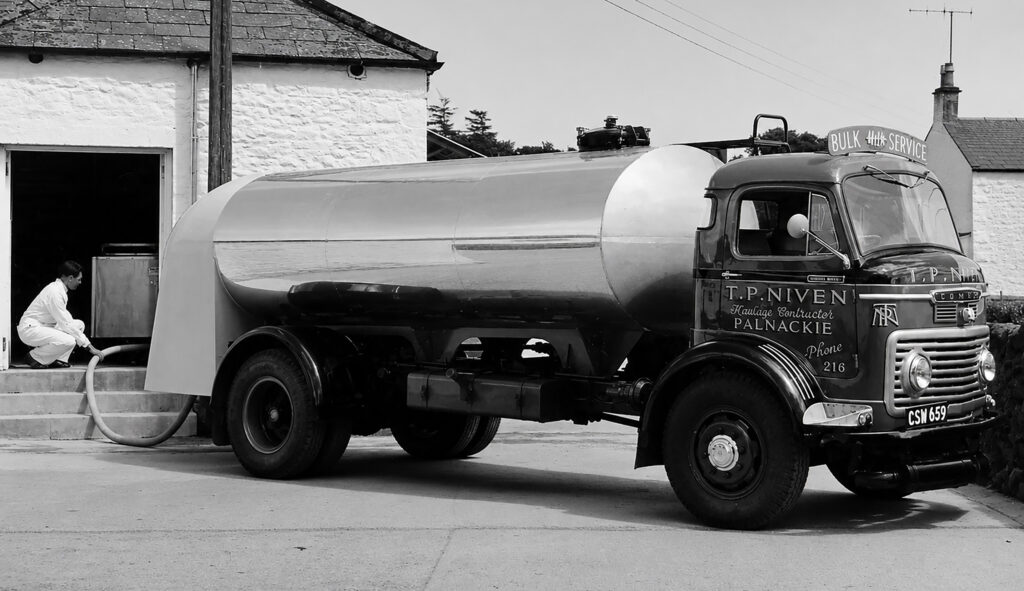
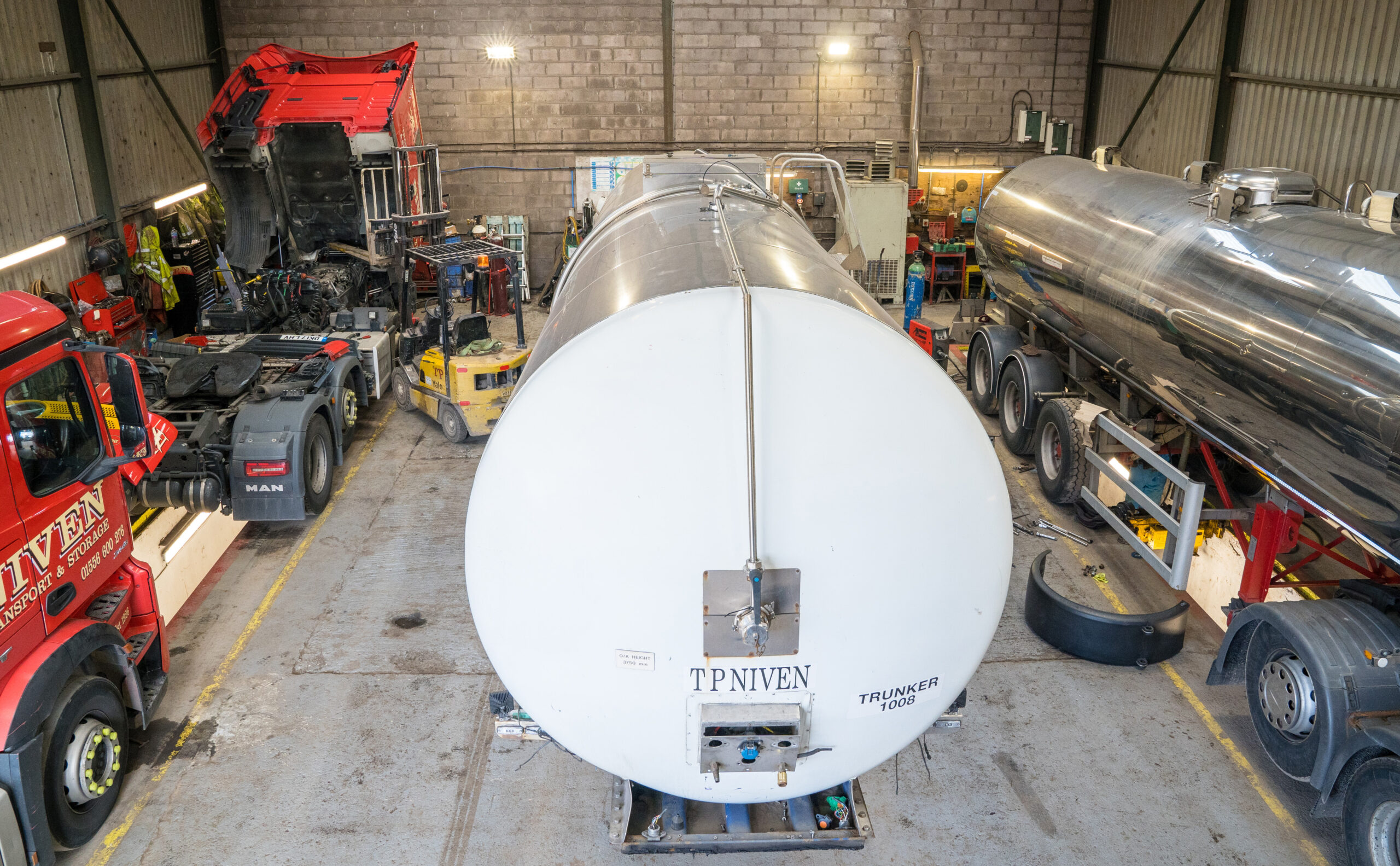
Tp Niven celebrated its 100th anniversary in style as Scotland's only mainland family-run milk haulier goes from strength to strength. Kevin Swallow looks back at how milk has played an integral role in the haulier’s story
In July, 260 people gathered at Easterbrook Hall in Dumfries to mark a century of TP Niven. The milestone was fitting for a business that has thrived since founder Tom Niven started out in Palnackie, then an industrial hub with a working harbour sending ships inland along the Urr Water to the Solway Firth.
From that first ‘ton Ford’ truck, the operation has grown into a fleet of 130 vehicles, 200 trailers and 11 vans. Today it handles milk collections, general haulage and contracted work, and is a member of Palletline.
Within two years of starting up, Tom secured a contract with the Dalbeattie District Farmers’ Co-op to collect milk from farms and deliver to the local creamery. It set TP Niven on a course that has defined the business ever since. Current managing director Jim Niven, the third generation to lead the company, is proud it remains the last mainland Scottish family-run milk haulier. “All milk was collected in milk cans, and farms had two sets of cans with the empties dropped off on the day of collection,” he explains, adding that many farms used roadside loading docks.

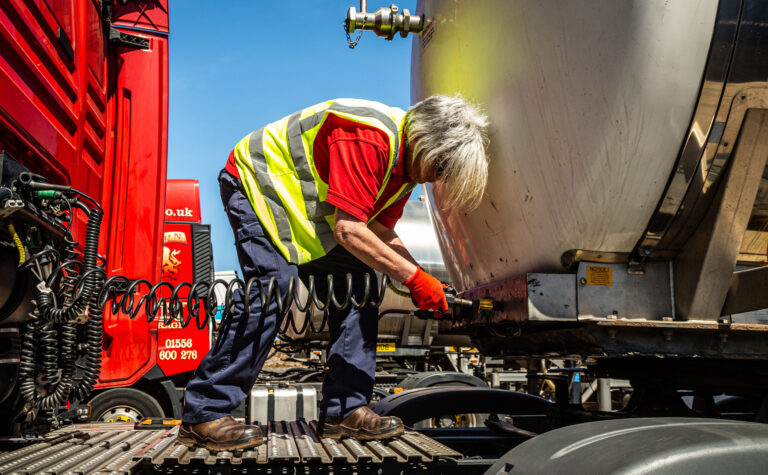
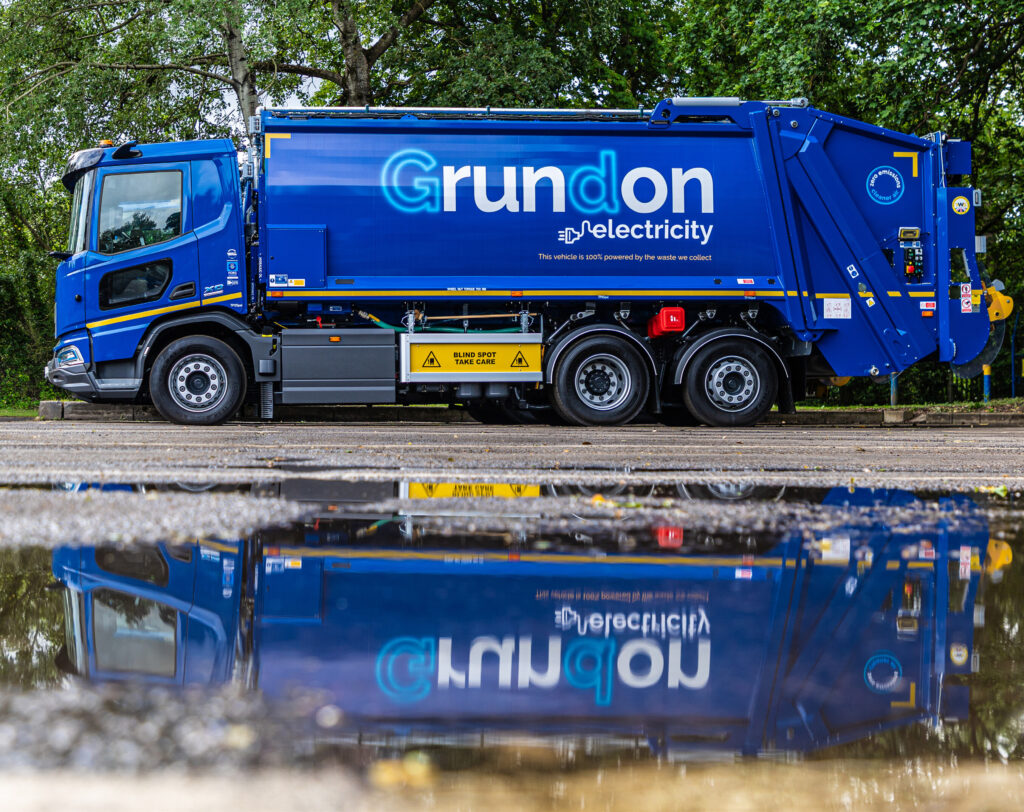
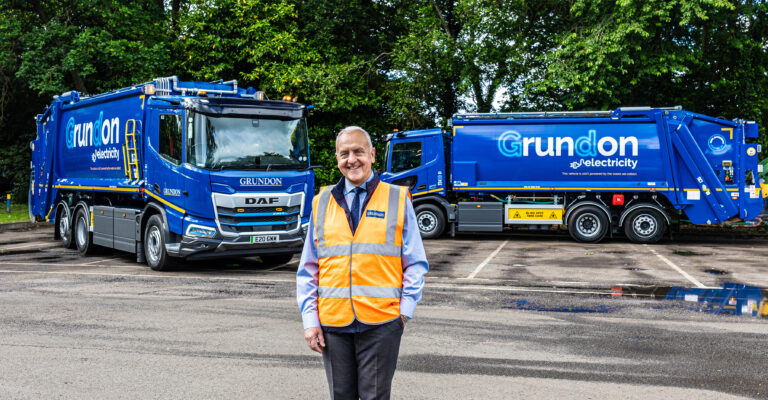
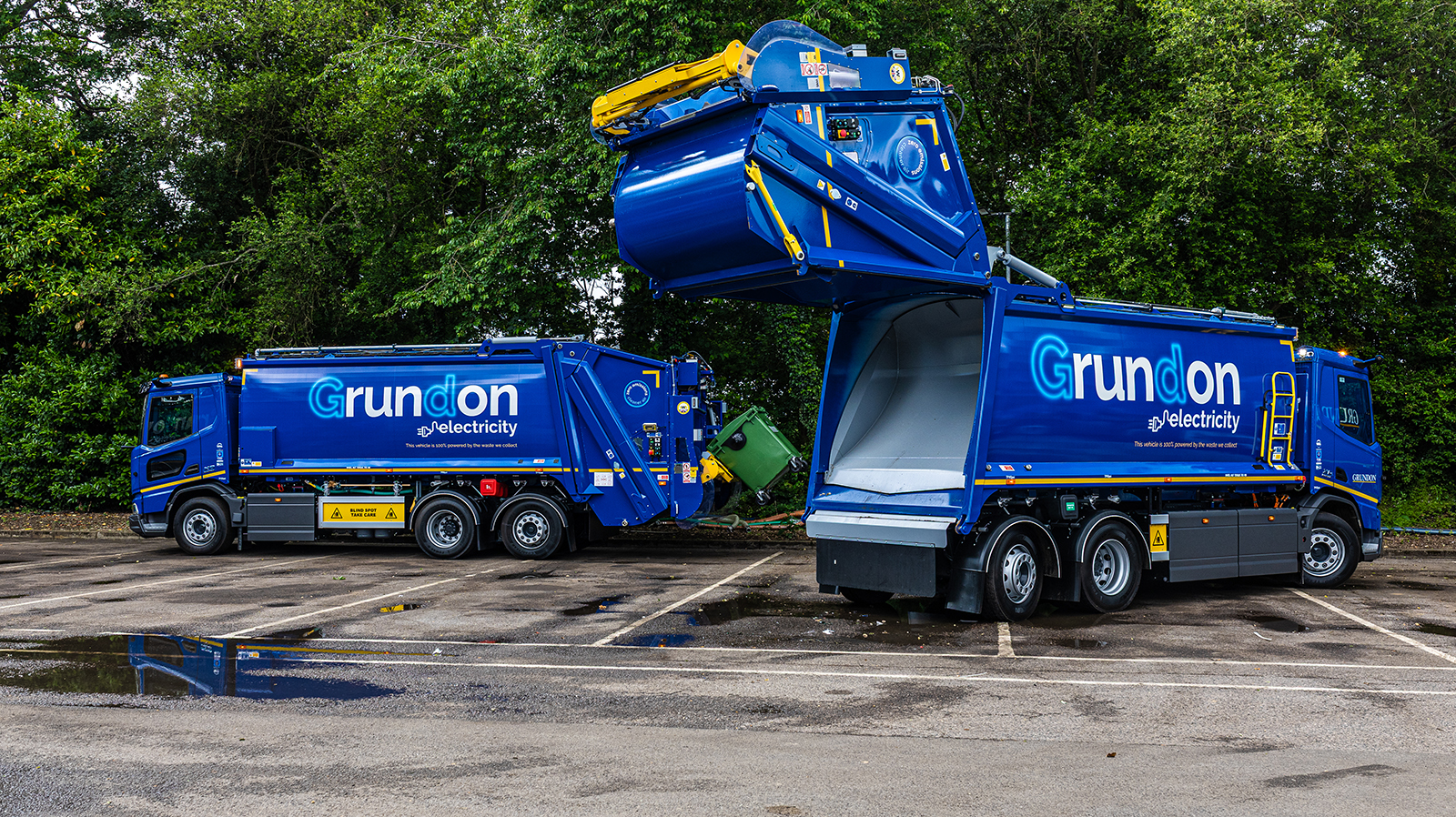
Group fleet engineer Stephen Townsend explains how four new DAF XD electrics plug into Grundon Waste Management’s own waste-to-energy power and lift its BEV trade-waste fleet to 10
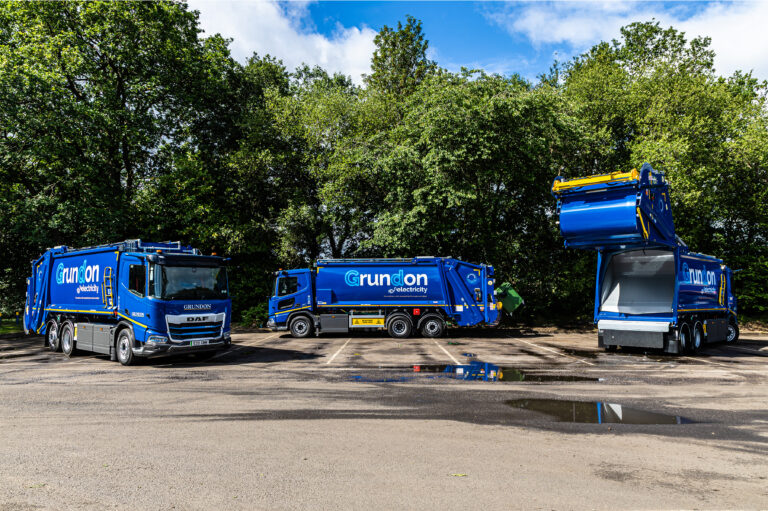
Grundon Waste Management has taken delivery of its largest BEV truck order to date: four DAF XD FAN 270 Electric 6x2 rear-steer rigid chassis with specialist trade waste collection bodies. The operator has been running five repowered electric vehicles since 2023 alongside another OEM’s chassis also carrying trade waste collection systems. The new arrivals take its BEV trade waste total to 10, plus one other OEM tractor unit.
Established in 1929 by Steve Grundon, the company now employs over 850 people, operating 350 powered vehicles from 7.5 to 44 tonnes and more than 90 trailers. The fleet spans 4x2, 6x2 and 8x2 rigids across skip, trade waste, hook loaders, flatbed-and-crane, boxes, double decks and curtainsiders, with almost half of the trucks carrying DAF badges. Among the mix are also 60 tractors fitted with wet kits or blowers to handle the full trailer portfolio.
A key driver for choosing DAF was the opportunity to achieve five-star Direct Vision Standard ratings on some applications.
Steve Banner meets Alex Adams to learn how Titan Trailers built a UK reputation…
Read the featureGroup fleet engineer Stephen Townsend explains how four new DAF XD electrics plug into…
Read the featureScott Airbrushwork has been making vehicles stand out from the crowd for decades. Dan…
Read the featureBob Beech finds out how Scania’s new five-cylinder, 10.6-litre, super-powered 430P XT tipper stacks…
Read the feature

Three specialist titles. One essential weekly read.