Competition
Capture of the Quarter
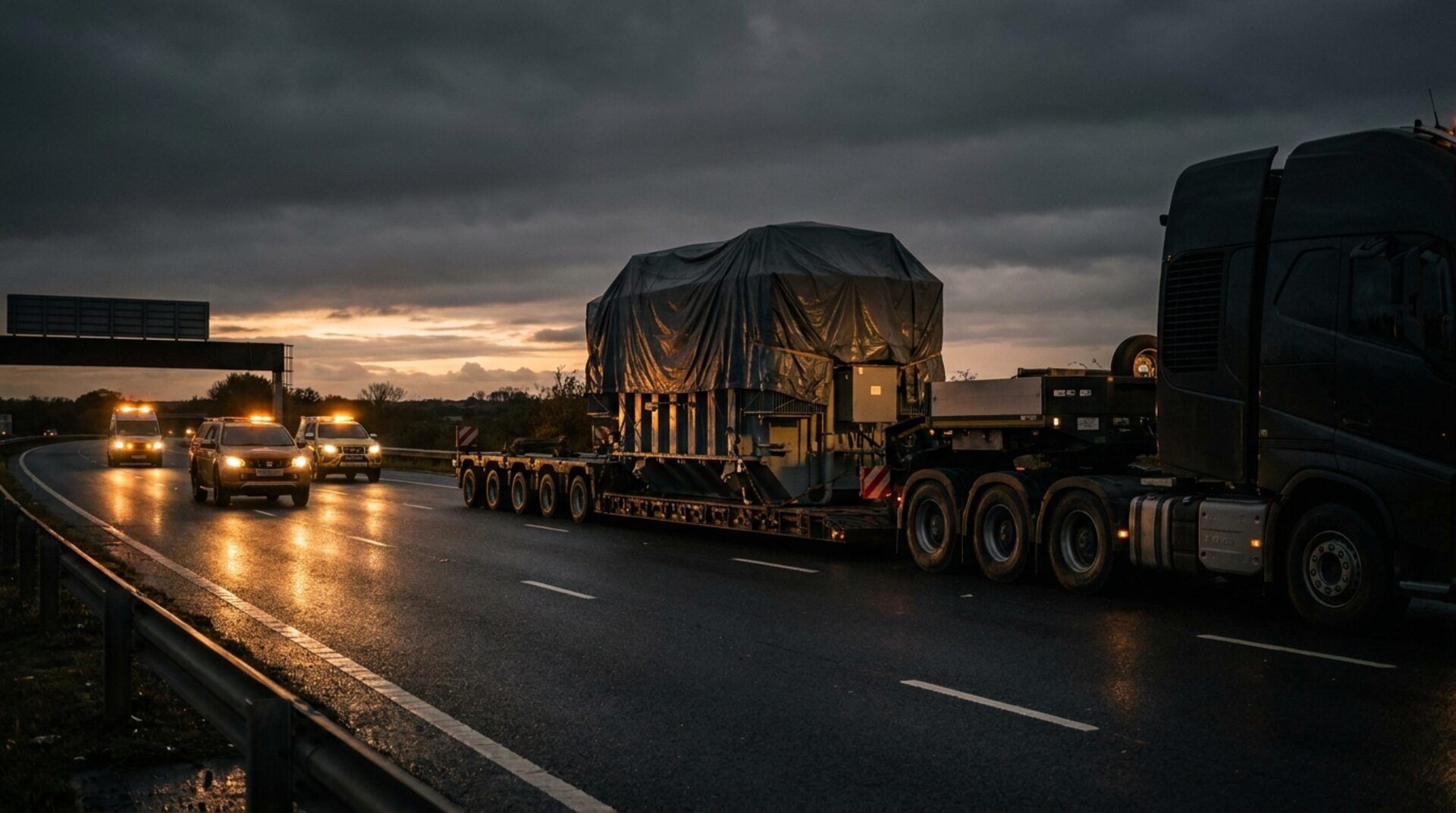
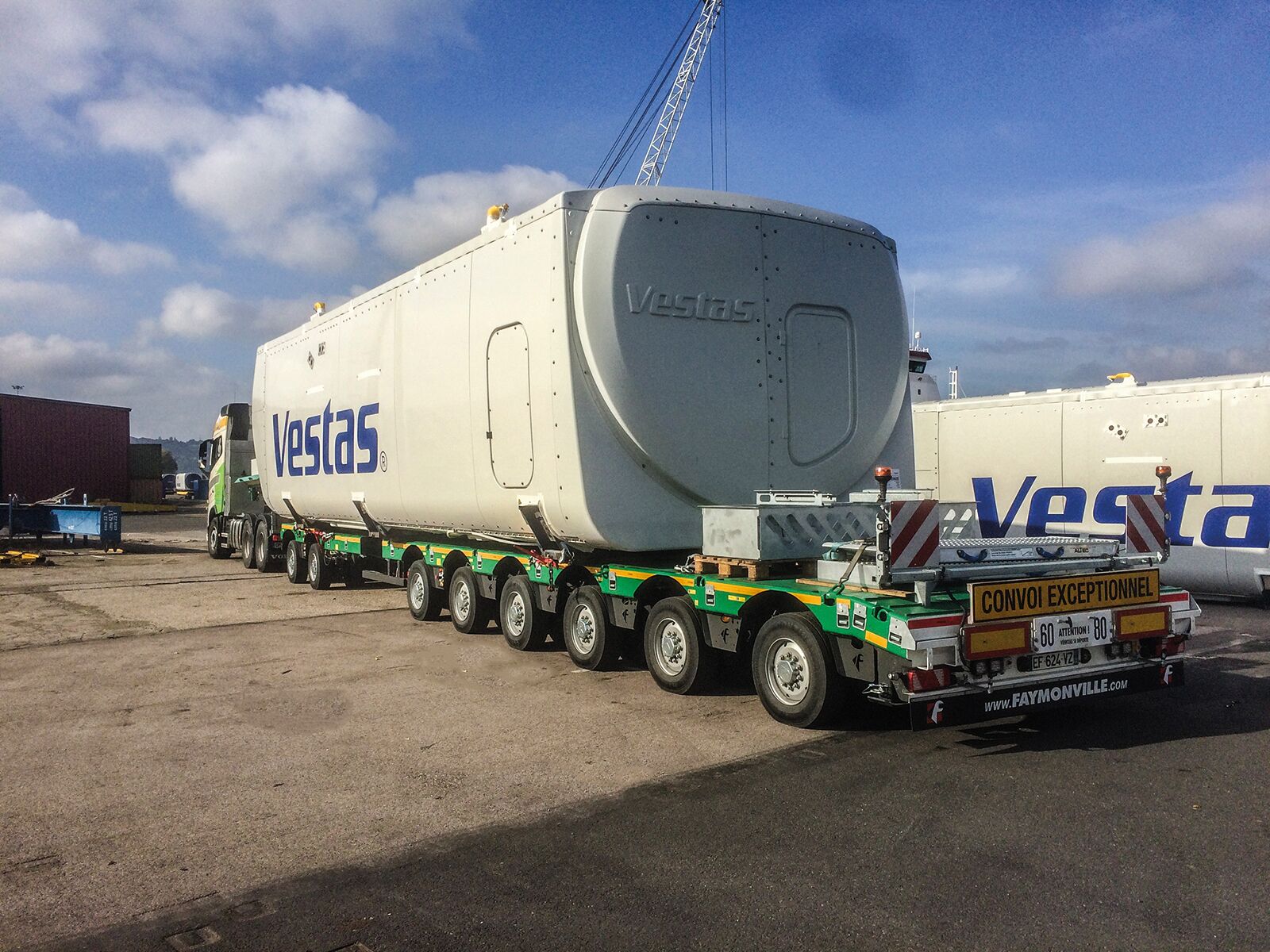
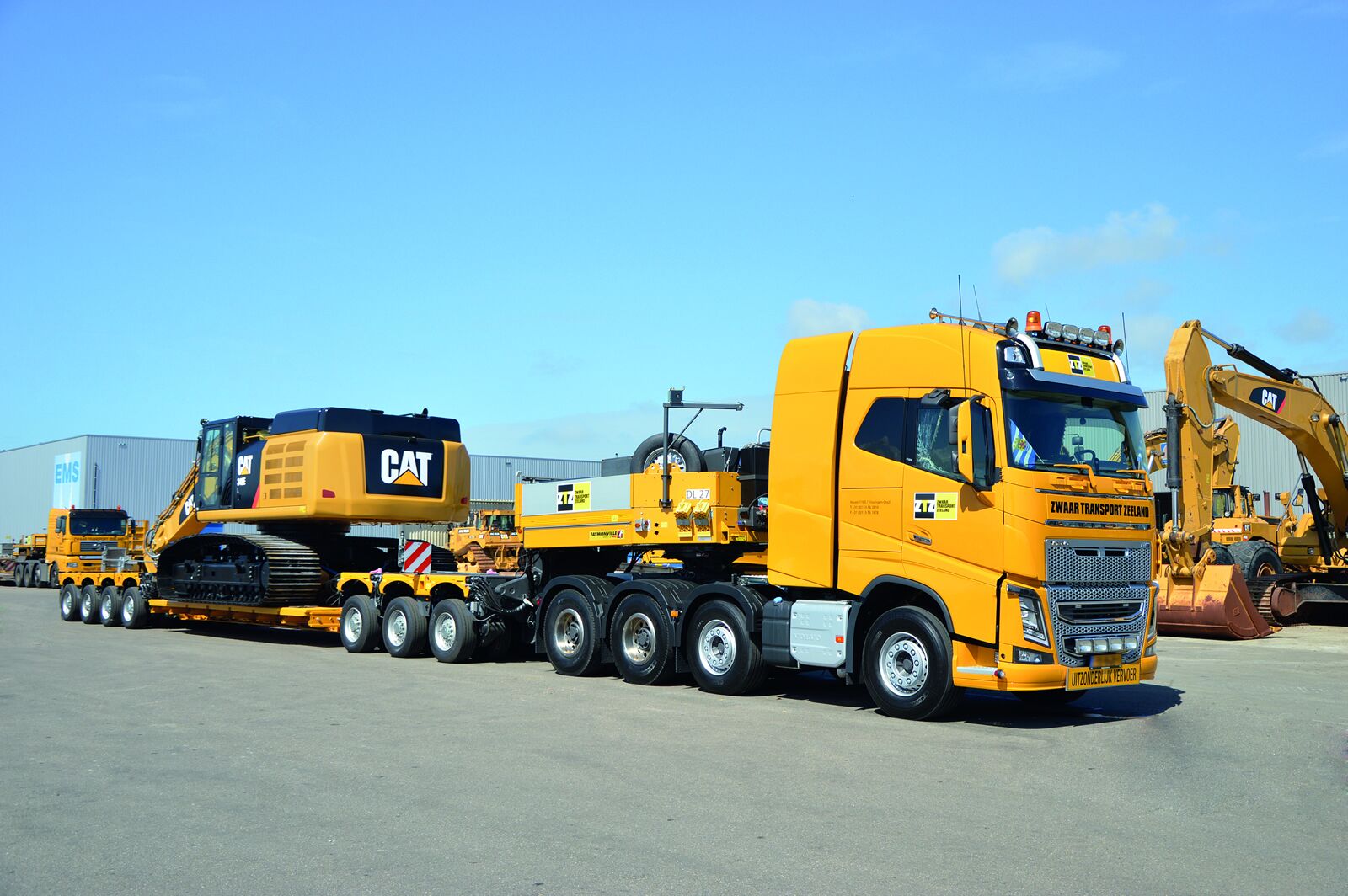
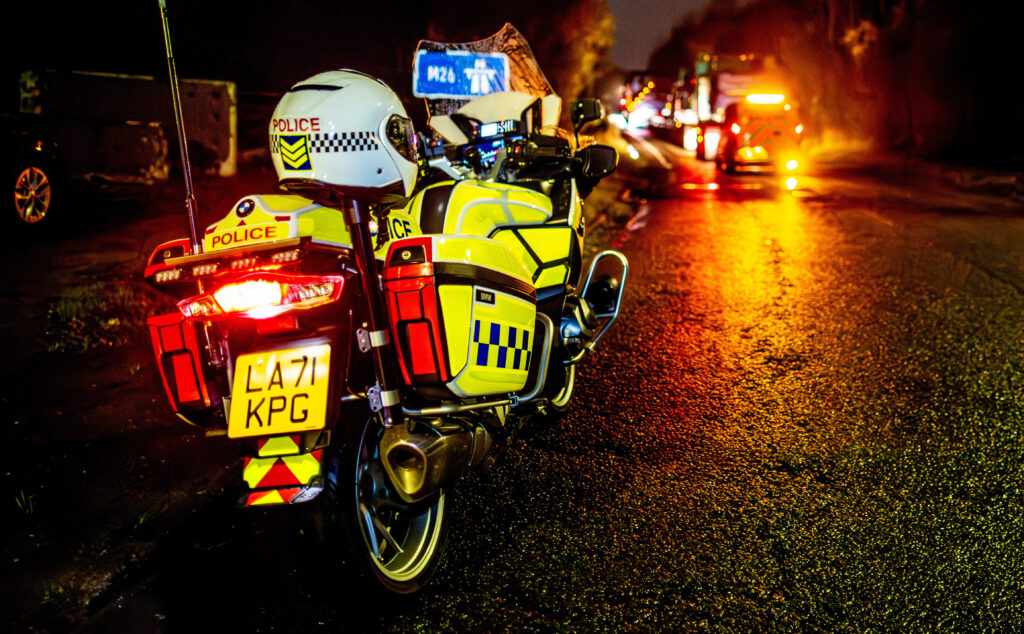
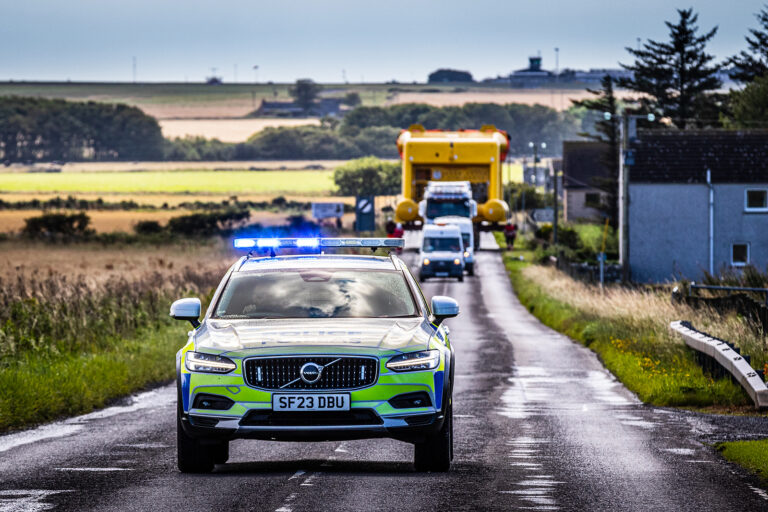
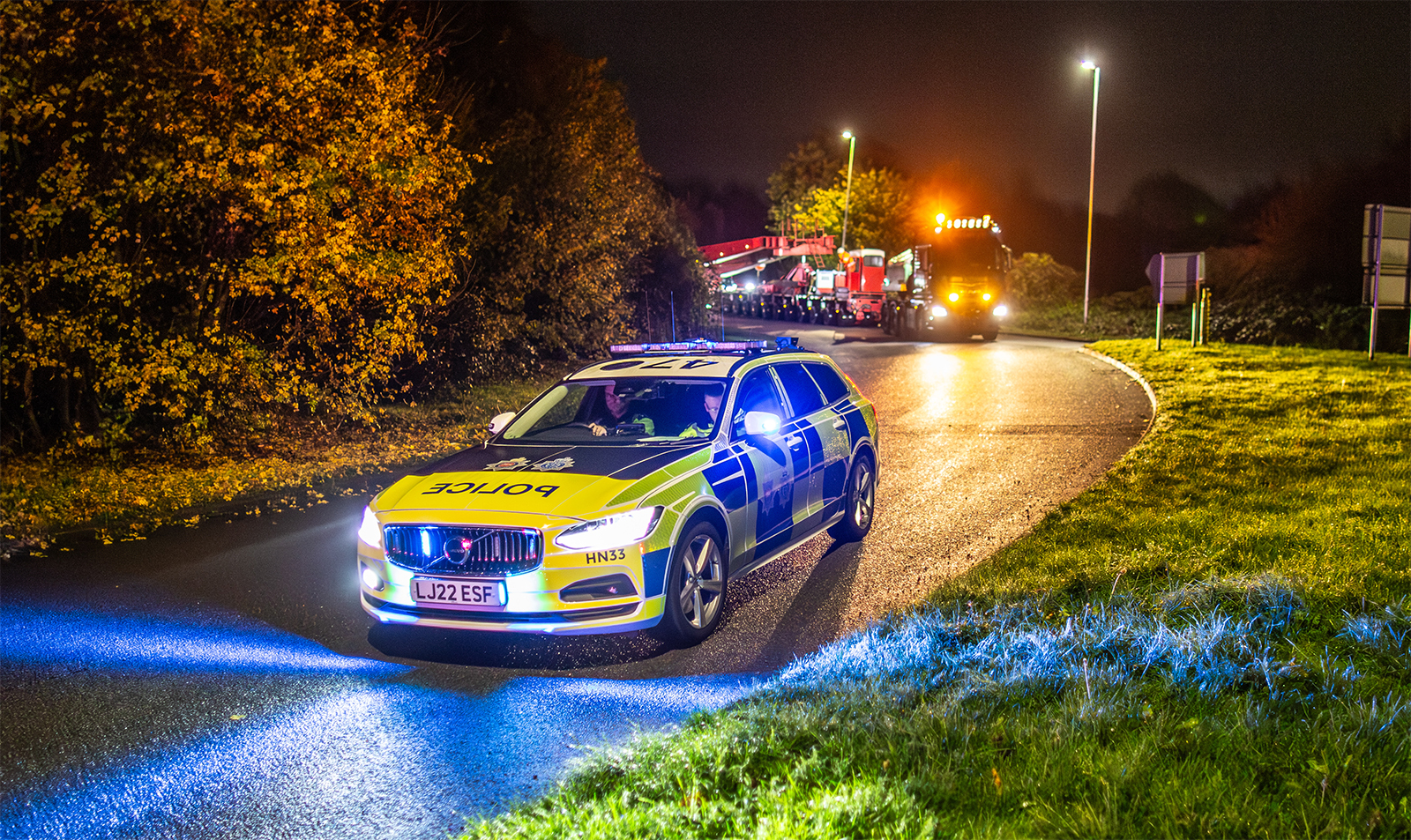
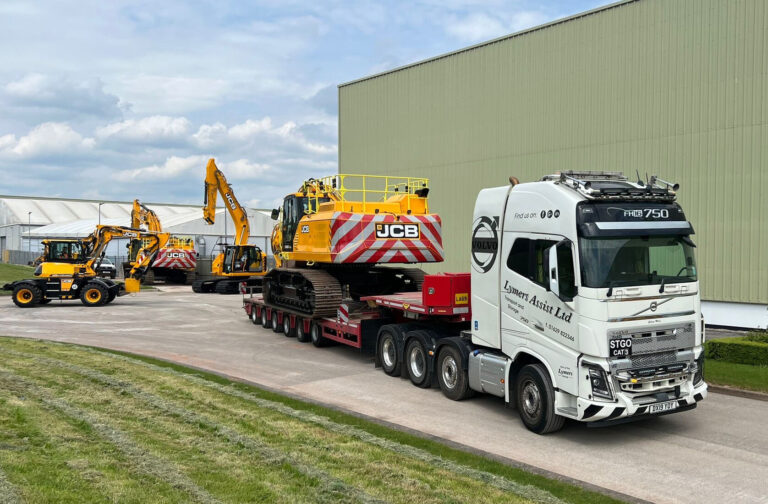
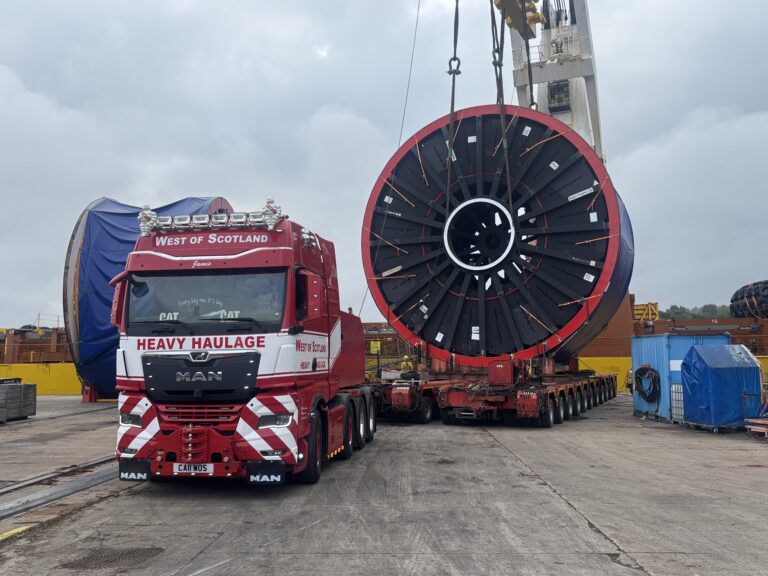
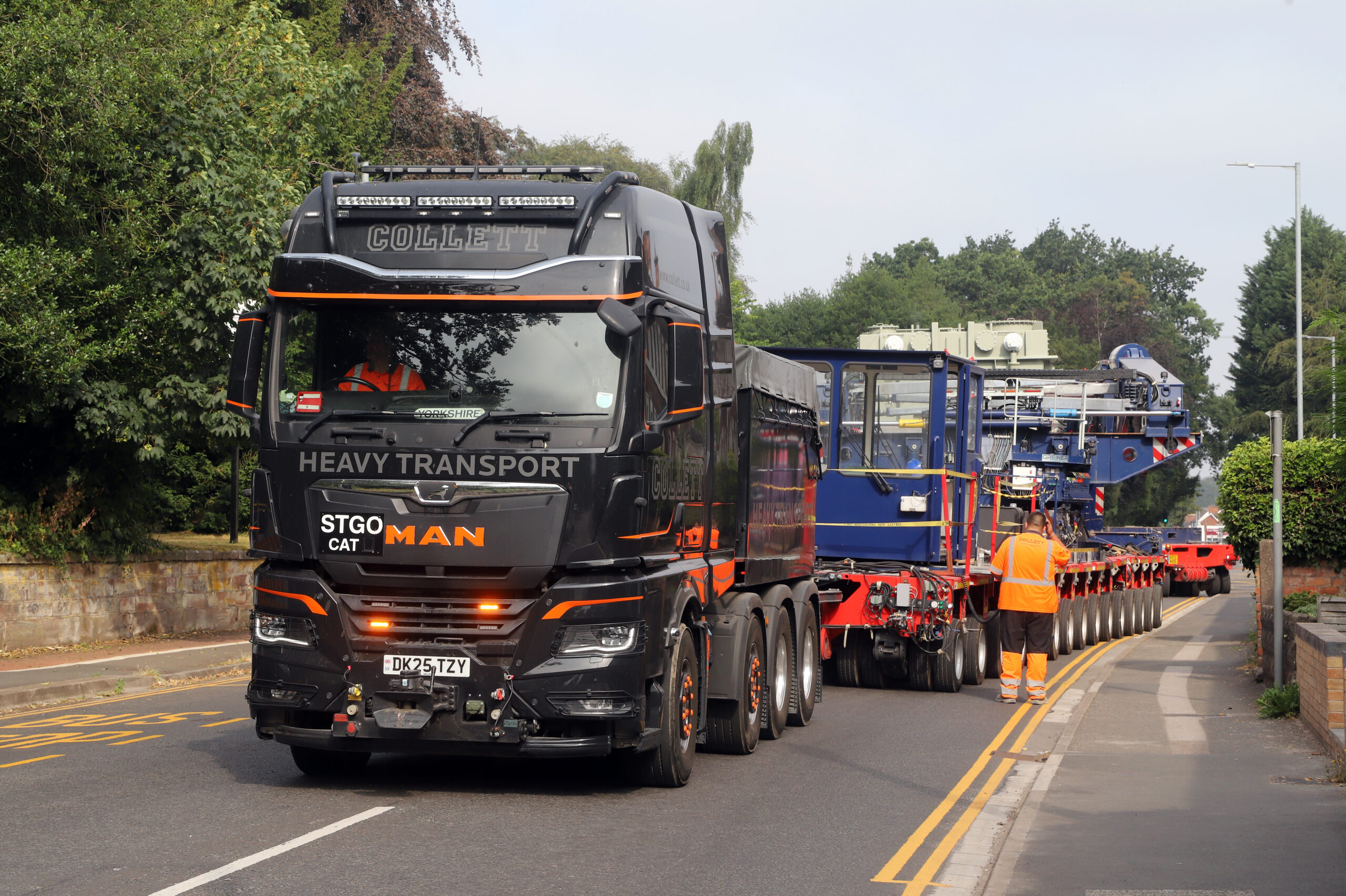
Seen something special on the road? Then upload a picture to the 'Capture of…
Read the feature Subscribe
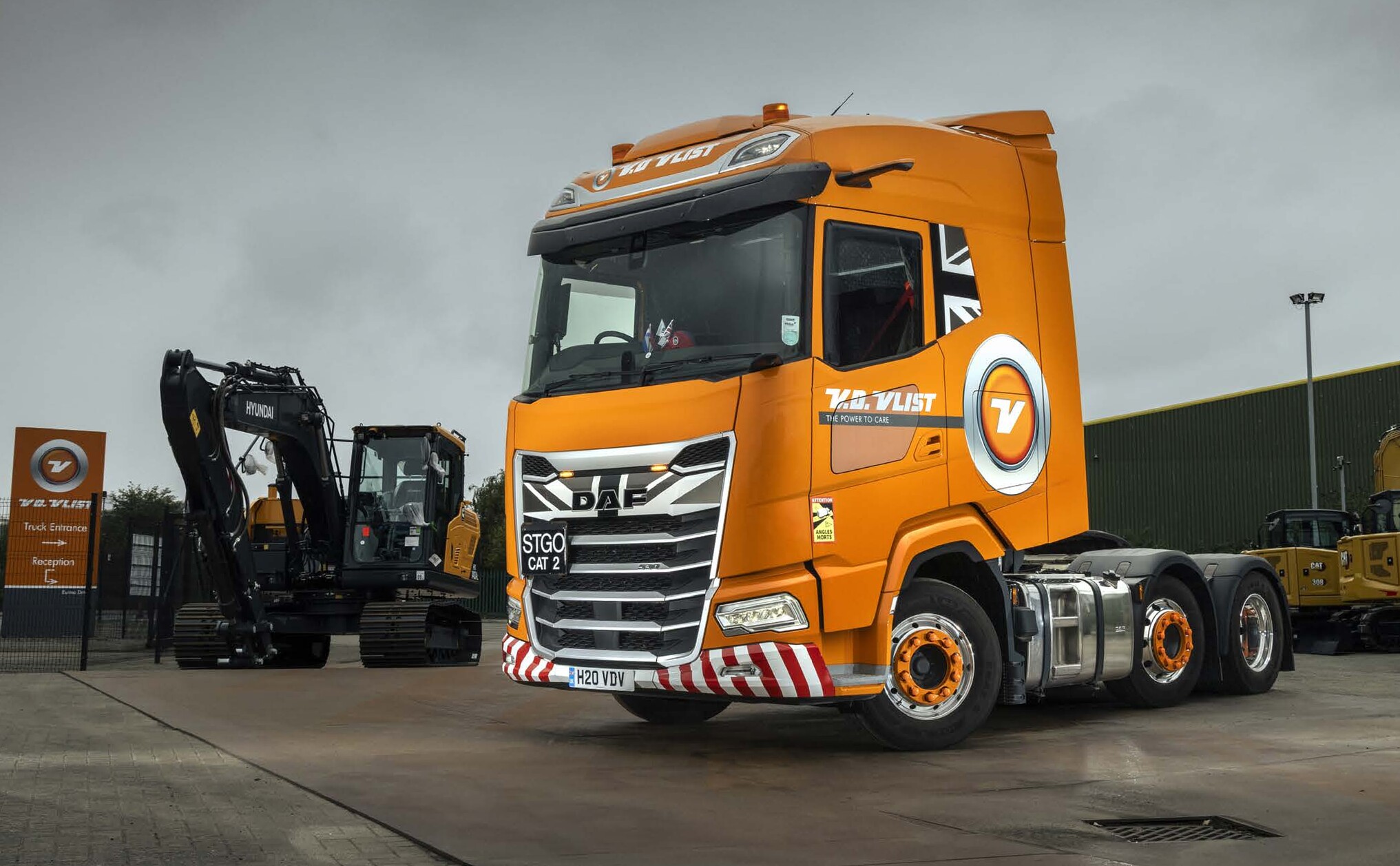
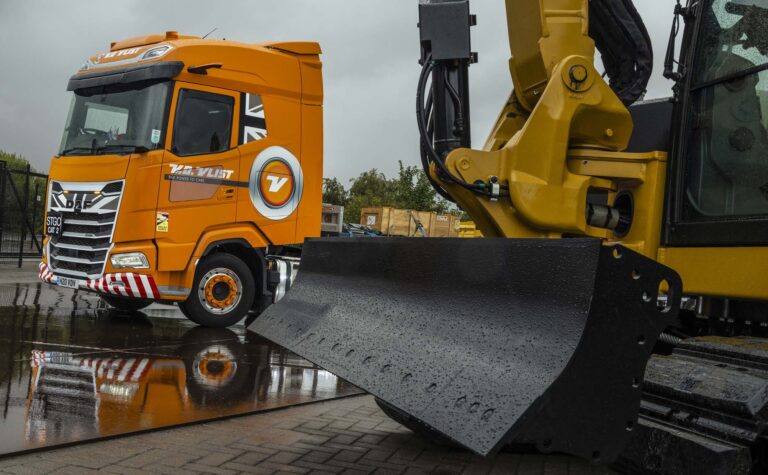
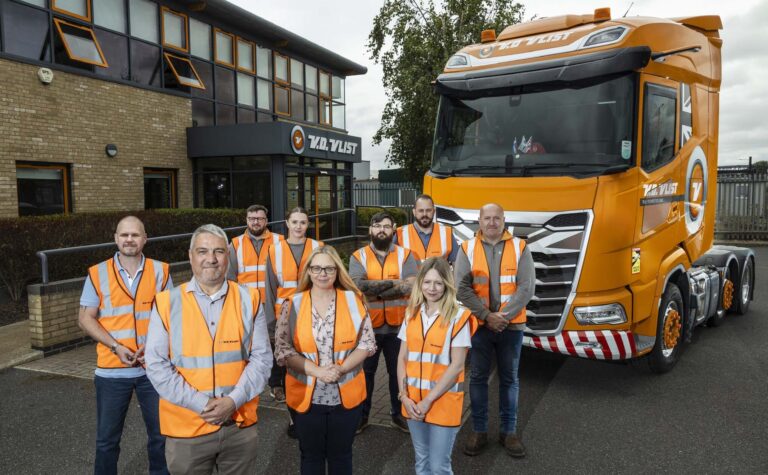
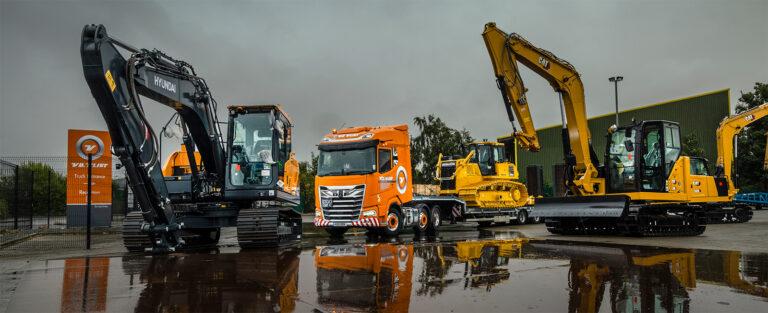
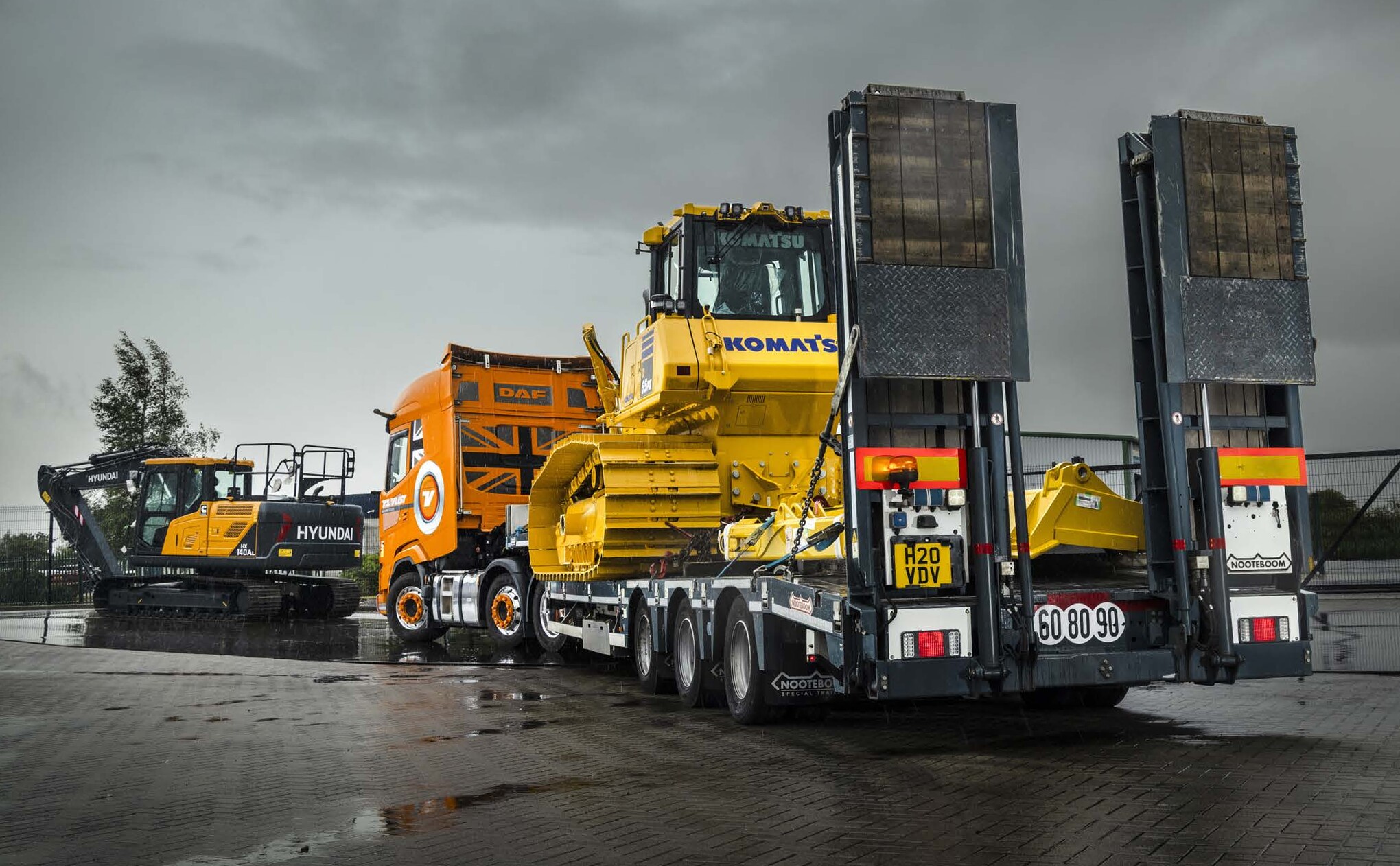
Van der Vlist’s mix of specialist transport, technical services and project management has taken the group far beyond its roots. Bob Beech meets the Hull-based UK team to see how British operations integrate with the wider European fleet on cross-border project work
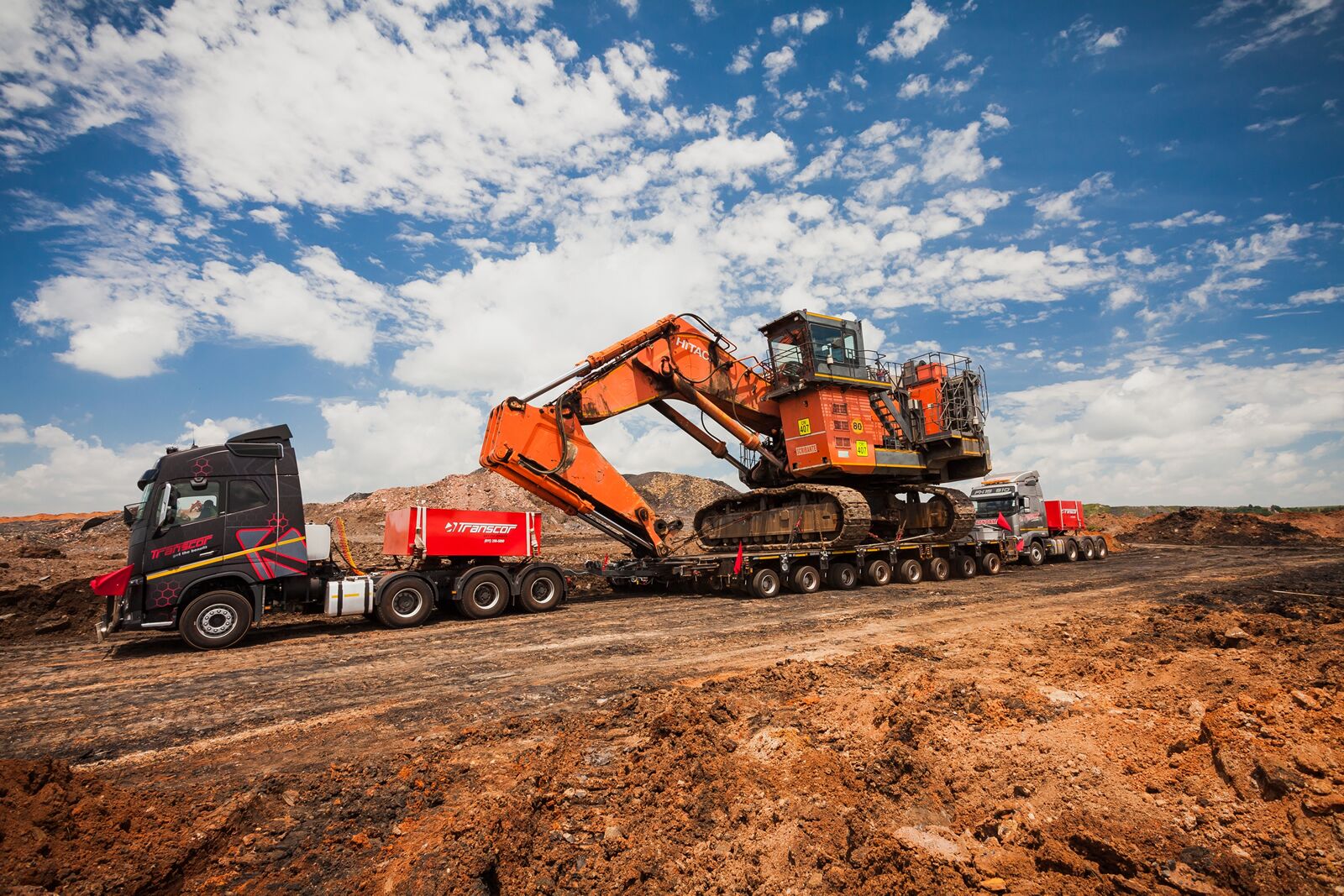
The bright orange trucks of Dutch-based specialist operator Van der Vlist Transportgroep have been a familiar sight across Europe for decades, and regular visitors to the UK since the 1970s. Founded in 1930 in Hoogblokland near Utrecht as a garage and local transport business, the company moved steadily into heavy haulage as demand grew, adding larger outfits to handle increasingly heavy loads. Today’s operation is a world away from those early days, offering a broad range of transport and associated services to a wide customer base.
Over time, Van der Vlist has absorbed several Dutch specialists, bringing legacy names such as Holtrop Van der Vlist and Van der Vlist Twente under the same orange livery. Head office remains at Groot Ammers, supported by specialist sites across the Netherlands and Europe. Now a third-generation family business with the fourth generation entering senior roles, Van der Vlist sits among Europe’s top five specialist transport providers, with vehicles, trailers and equipment spread across its operating centres.
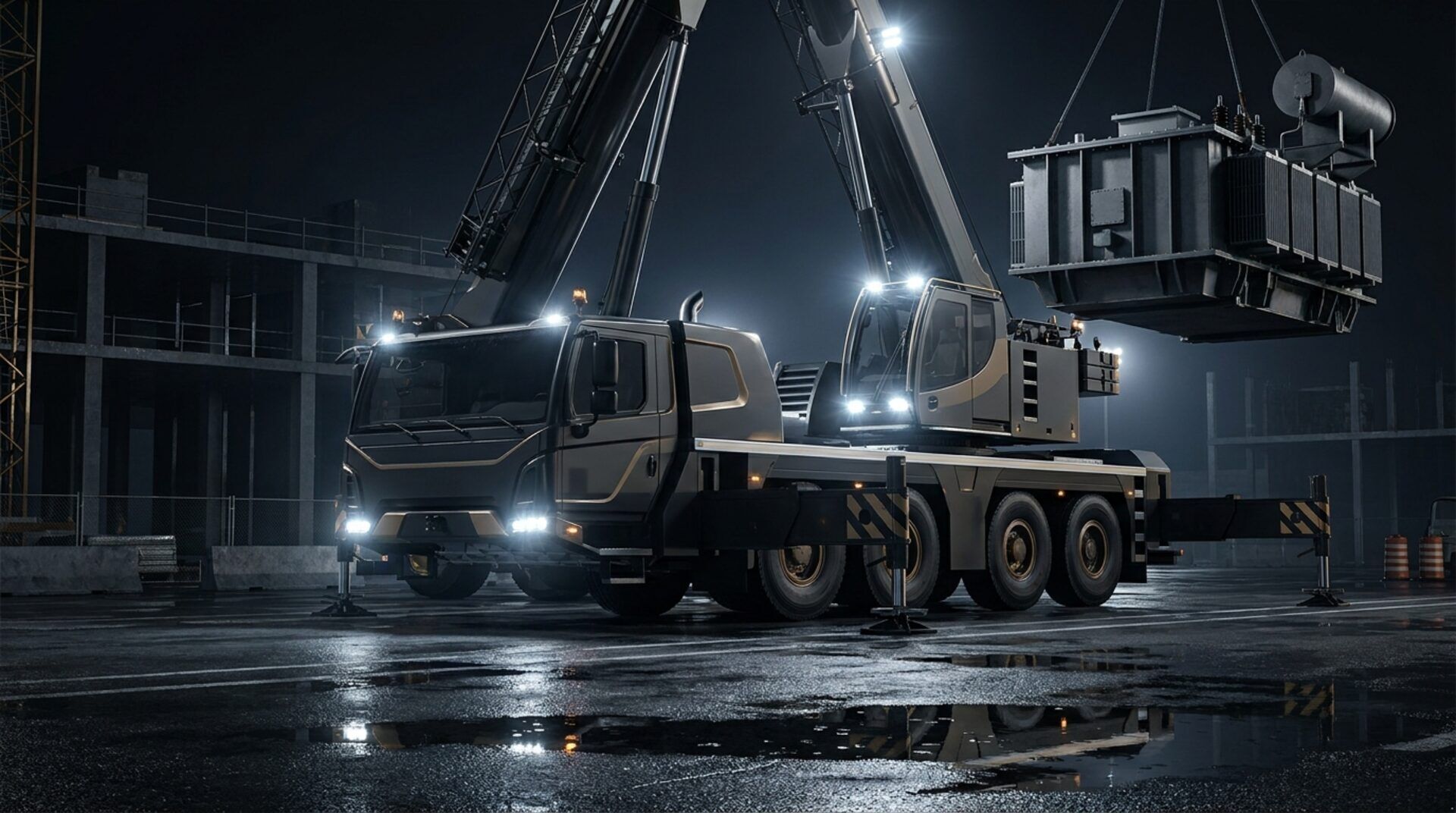
Peter McKenna examines how the collapse of West Midlands police’s mobile-crane prosecutions has sharpened concerns over abnormal-load enforcement, escort charging and consistency across UK forces
What had been listed last week as a two-day test trial concluded in under three hours. West Midlands Police (WMP) had brought prosecutions against mobile-crane operators, alleging overweight loads following breaches of police-imposed embargo times. The prosecution offered no evidence, and all four defendants were acquitted. This week, WMP withdrew the remaining non-test cases, in a sweeping setback.
Credit is due to James Edes (inset, left) of Dyne Solicitors and barrister Richard Dawson (inset, right) of Lincoln House Chambers, who secured an excellent result for their clients and, by extension, the wider mobile-crane industry. But a case collapsing so completely, so quickly, after months of prosecutions against more than 60 operators raises a wider question: how did it get this far, and what does it say about abnormal-load enforcement?
It would be tempting to treat the collapse as a single overzealous prosecution that failed under scrutiny. The evidence, however, points to something more structural.

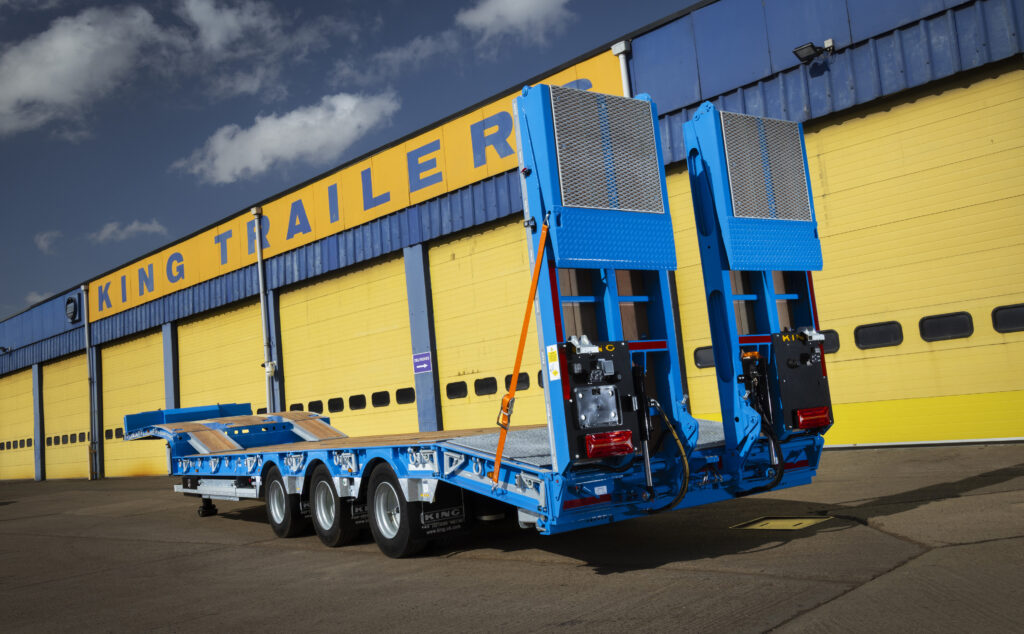
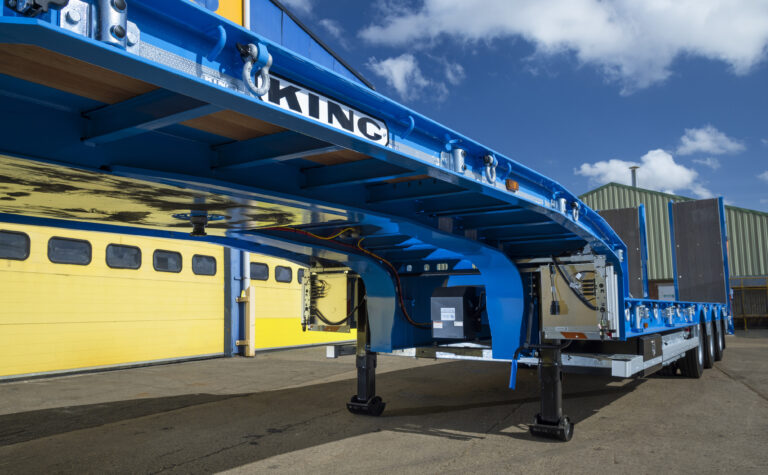
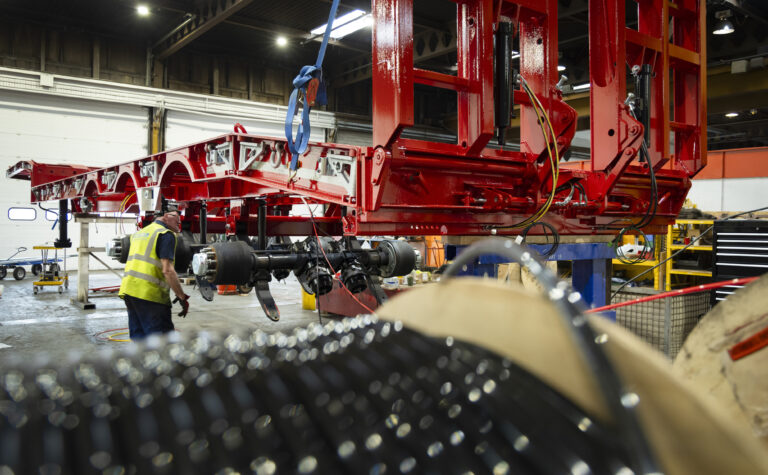
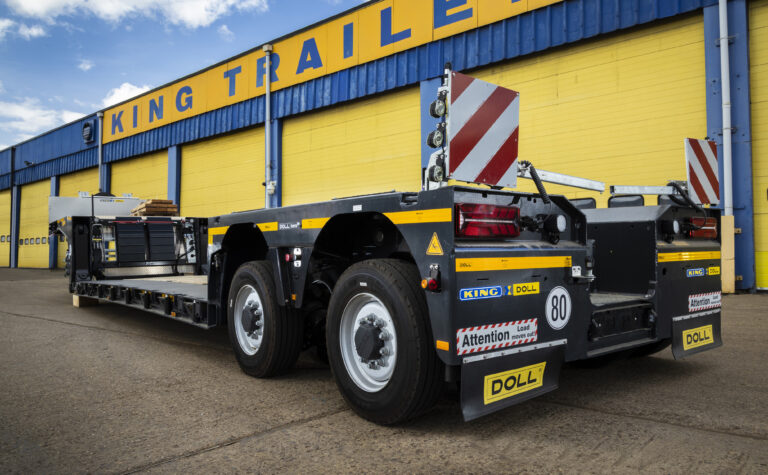
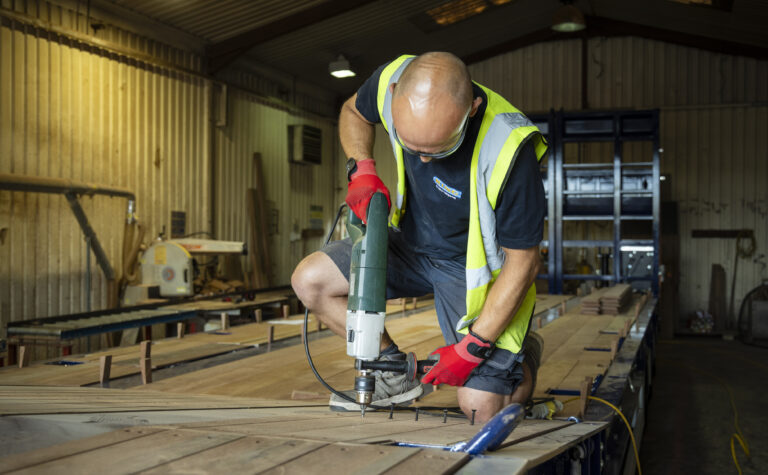
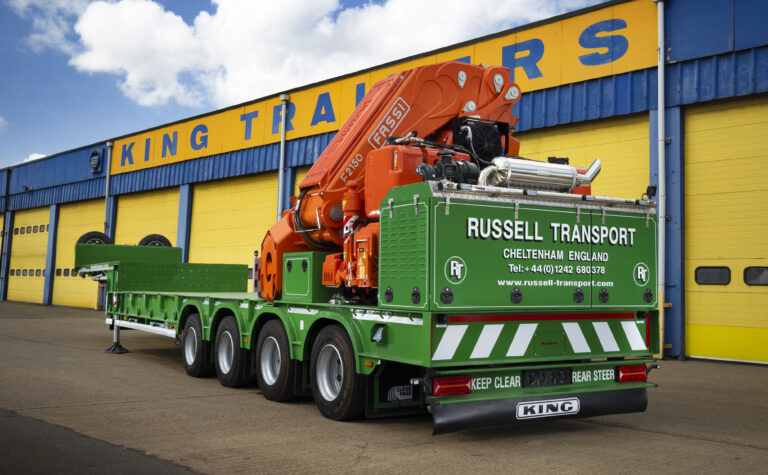
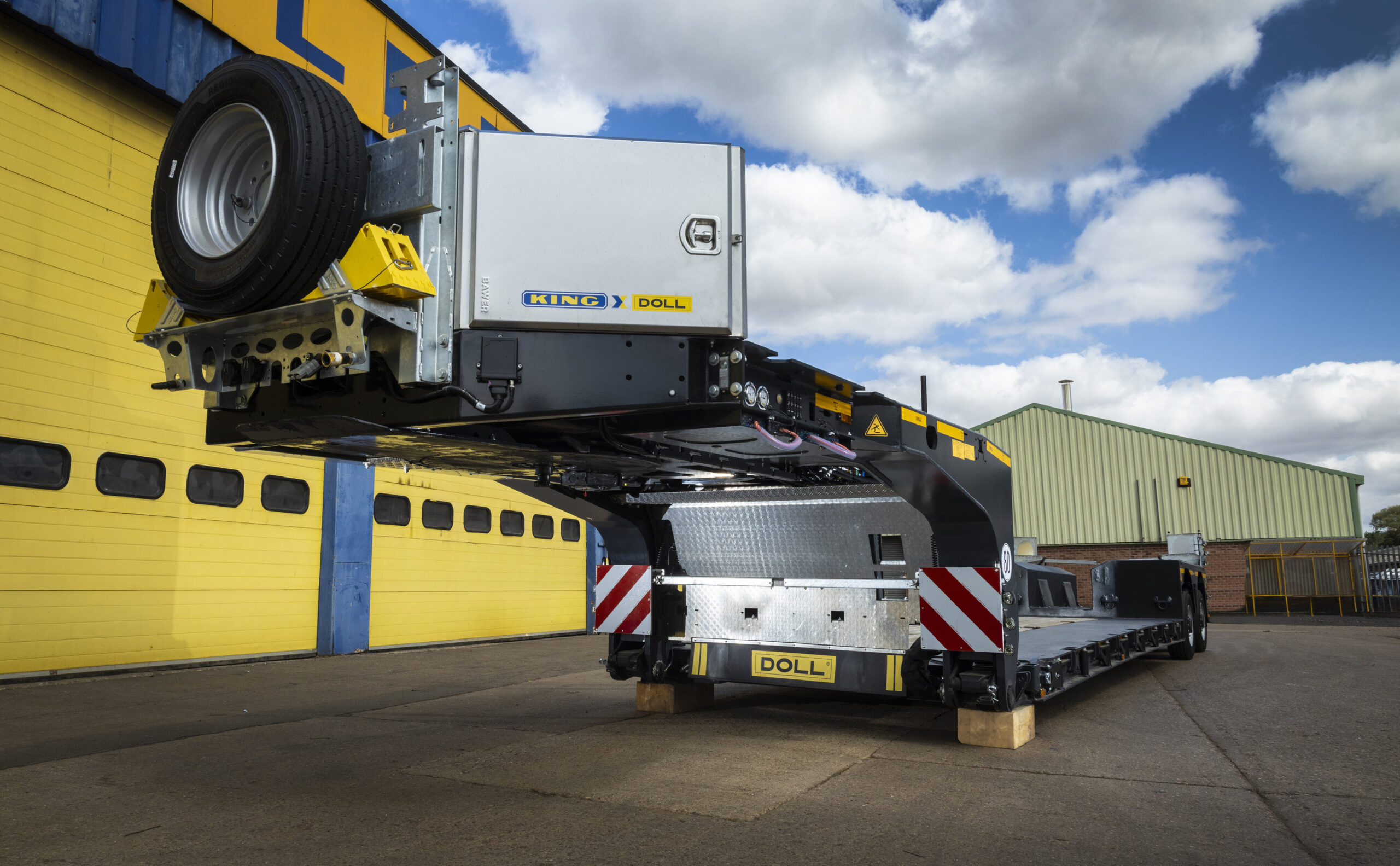
Bob Beech explores how King Group has broadened its offer, refined its trailer range and expanded its specialist engineering capability, culminating in a renewed push into the low-bed market through its partnership with Doll
It is over ten years since HeavyTorque last visited King Trailers, or, to be more accurate, the King Group of Companies. In that time the range has expanded considerably. Trailers and specialist vehicle bodies remain the core, but the business now also builds bespoke bodies and equipment for road traffic management and maintenance. Other divisions produce vehicles and equipment for rail maintenance, while another designs and builds trailers and equipment for both the nuclear and defence sectors.
There is also a hire division offering everything from lowloaders, plant-bodied rigids and hook loaders to traffic management vehicles. Many might be surprised by the breadth, but this high level of diversification has developed over a long period.
Furthermore, the King Group has been part of the HW Martin Group for a decade. Its wider portfolio spans traffic management, road safety restraint systems, security fencing installation, vegetation management, waste and recycling, vehicle and plant maintenance and, of course, King.
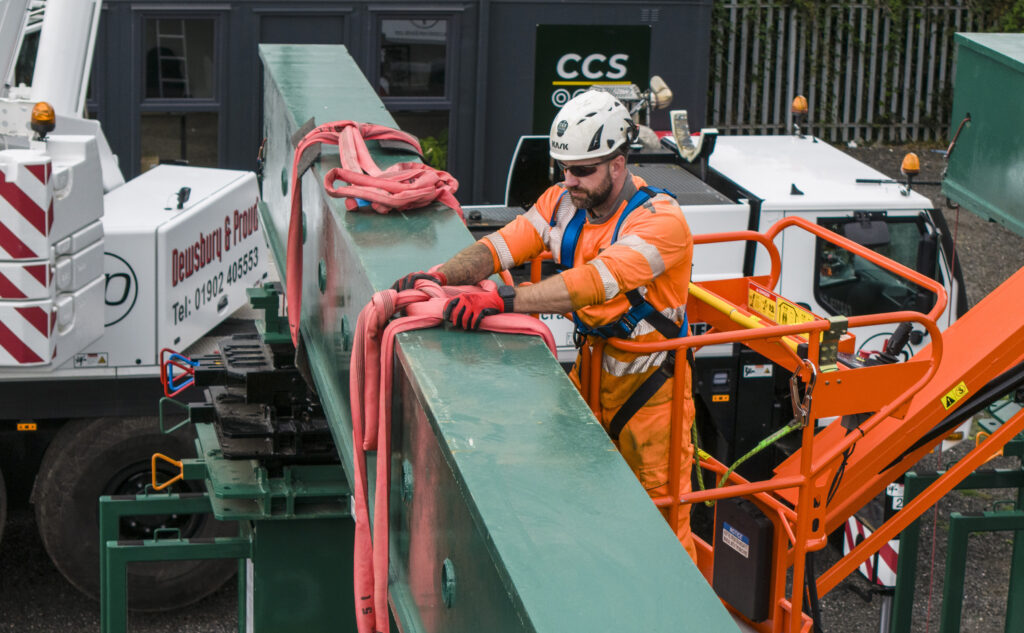
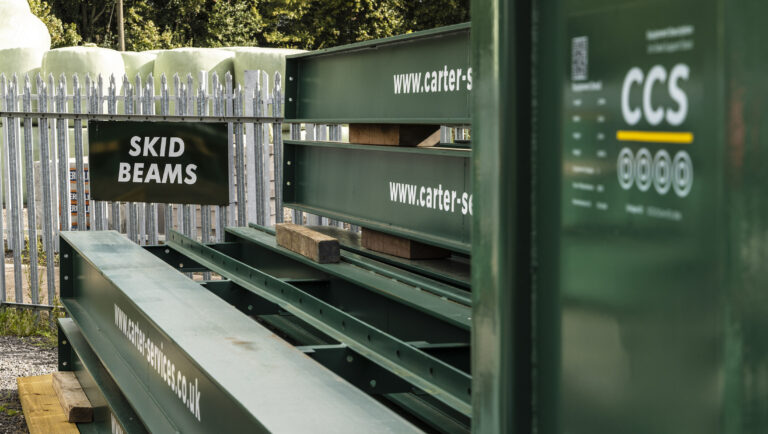
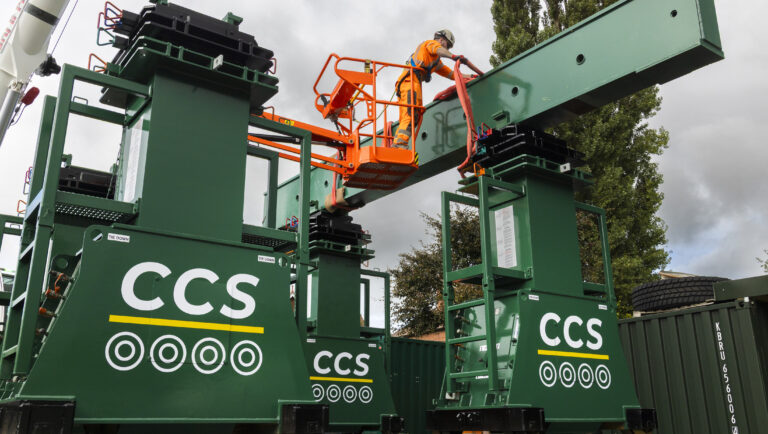
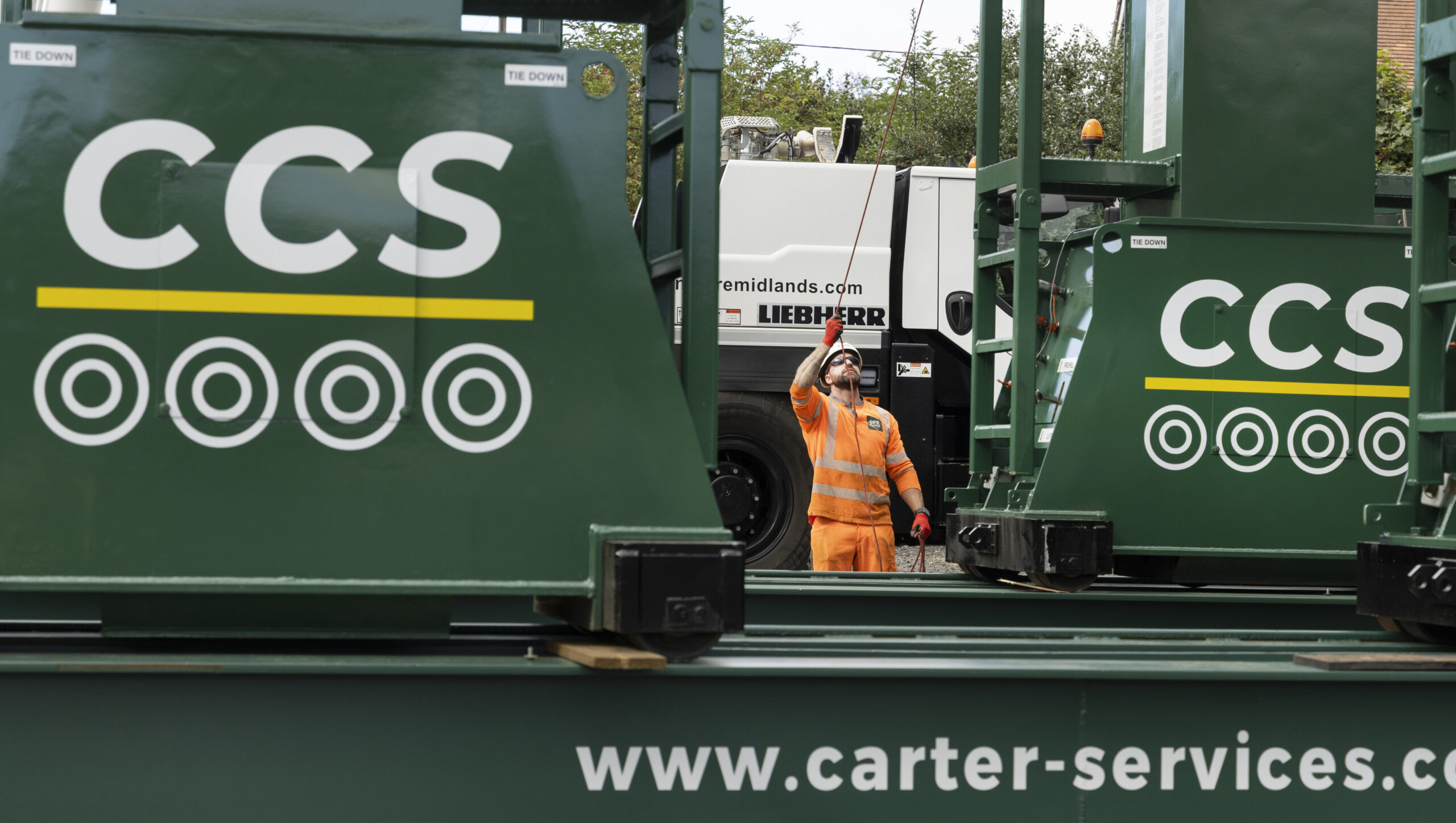
Bob Beech meets George Hill, MD of Carter Contracting Services, to explore how a front-line team is shaping a next-gen heavy-lift and transport operation fit for the UK’s grid rebuild
Decarbonising the UK’s power generation and rejuvenating the national grid is proving a colossal job. In truth, it is a series of huge projects that will take years to complete. Linking new power stations, onshore and offshore windfarms and the many solar farms now spread across the countryside into a resilient supply is a far larger undertaking than many politicians and environmentalists first imagined.
Scientists, planners, engineers, construction companies and specialist service providers have always understood the scale. Others, mainly politicians and environmental campaigners, seemed surprised that it was not a simple matter of switching off older coal-fired stations and attaching the new supply to the grid. Realistically, it demands wholesale revision of much of the existing grid and the establishment of new networks close to the coast and in many of the UK’s mountainous regions. Previously, most stations sat near coalfields, ports and industrialised areas, and power was transmitted nationwide through the grid, including to remote and sparsely populated areas.
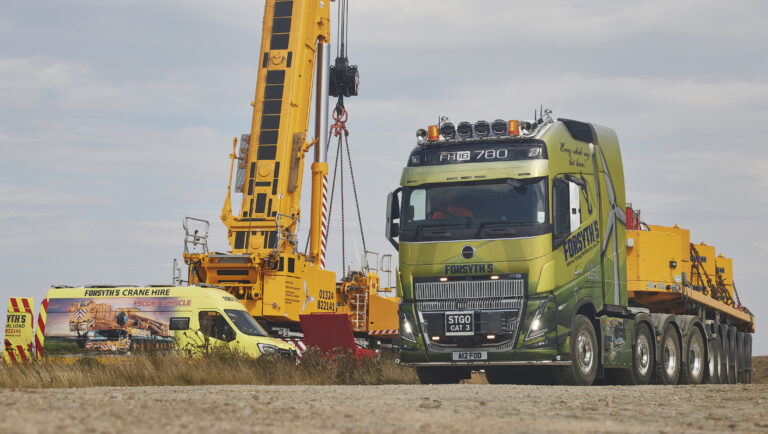
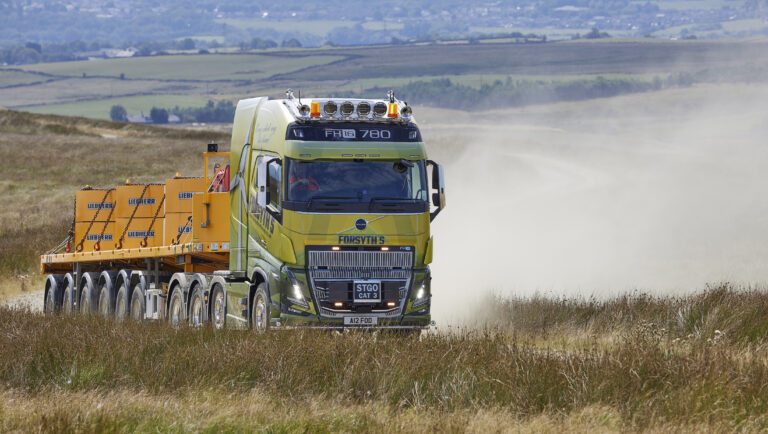
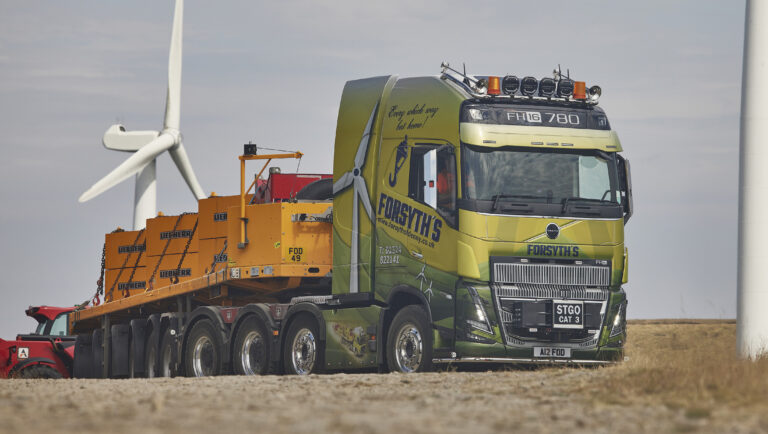
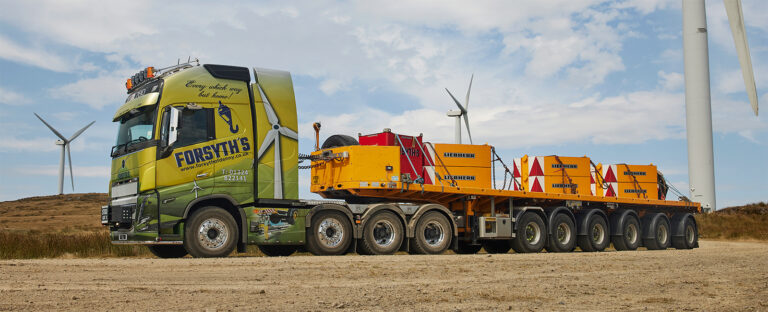
Steve Banner meets Forsyth of Denny’s Cathal McNally to discover how its latest Volvo FH16 780 became a fitting tribute to a much-missed driver, and how the Scottish crane and haulage specialist keeps its operation rolling
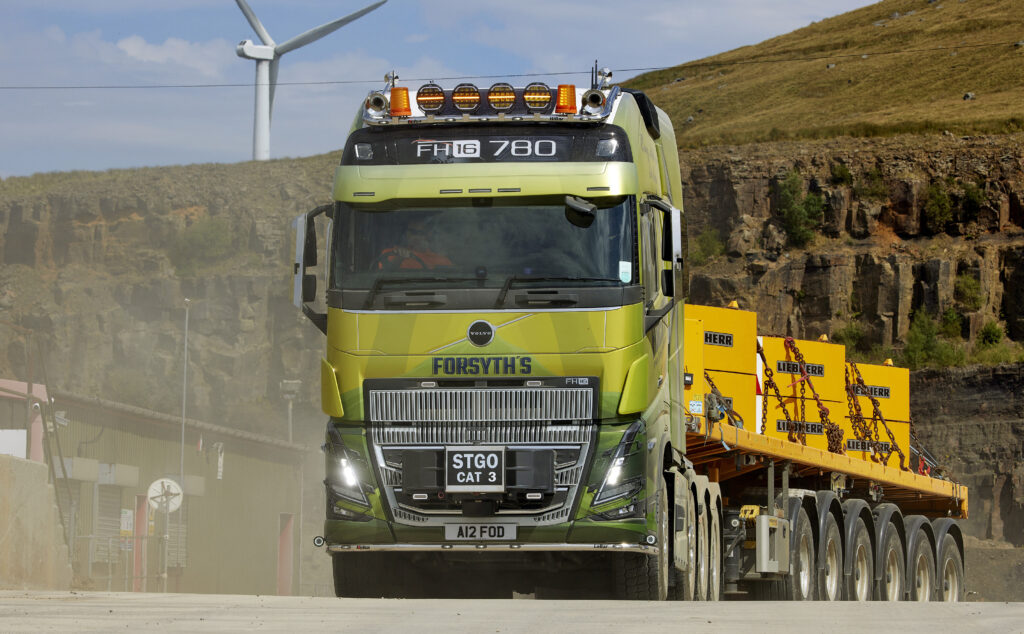
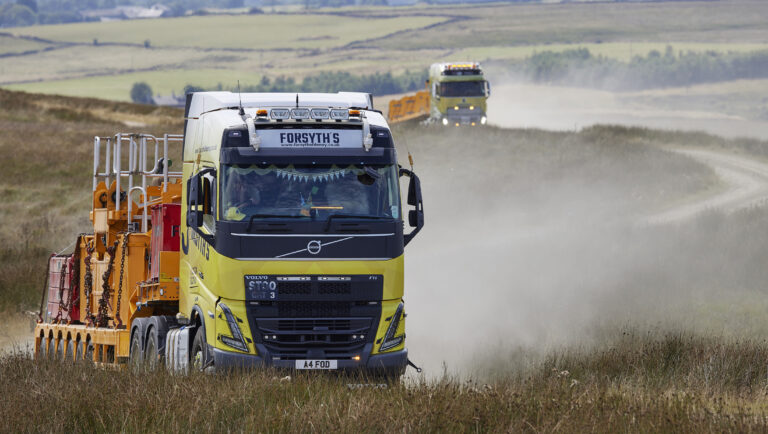
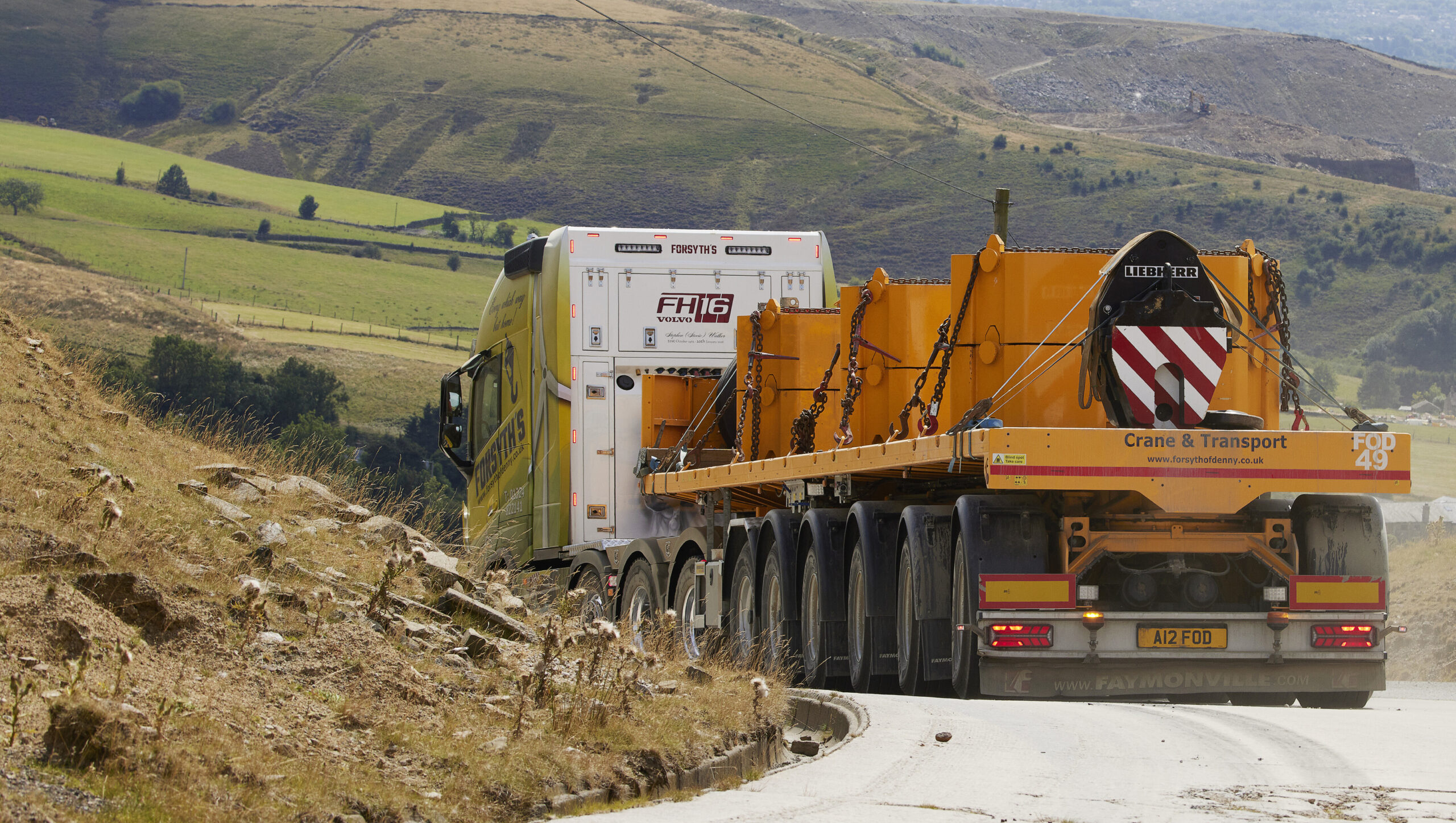
Forsyth of Denny’s recently acquired Volvo FH16 780 8x4 makes an immediate impression. Paired with their Faymonville CargoMAX six-axle ballast trailer carrying the counterweight for Forsyth’s Liebherr LTM1650 all-terrain crane, it’s a combination built for serious work. Spec’d with twin steerable axles up front, the 780 delivers precise control where space is limited.
“We bought our first FH16 back in 1999, but it’s the first 780bhp model we’ve acquired,” says Cathal McNally, Forsyth’s manager. “It handles the heavy-end of what we do, and it plays a key role in supporting the crane side of the business.” Forsyth’s work stretches across the UK and Ireland, much of it under STGO-requirements, and the firm is clearly proud of its flagship.
There’s a poignant story behind the 780’s arrival. “We had a driver called Stevie Walker who’d worked with us for almost 25 years,” recalls Cathal. “He was a great guy.
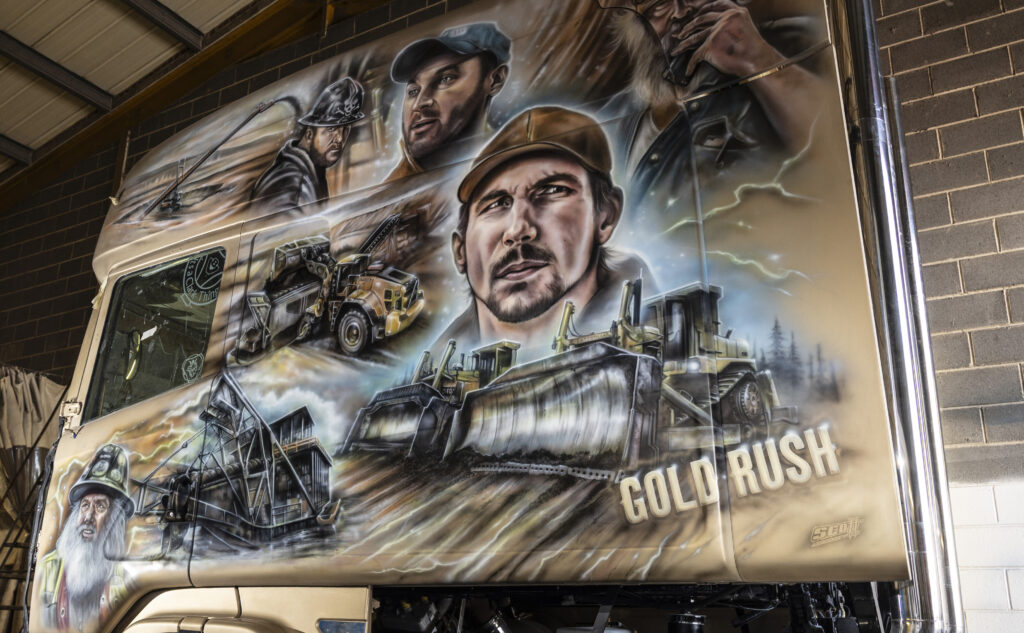
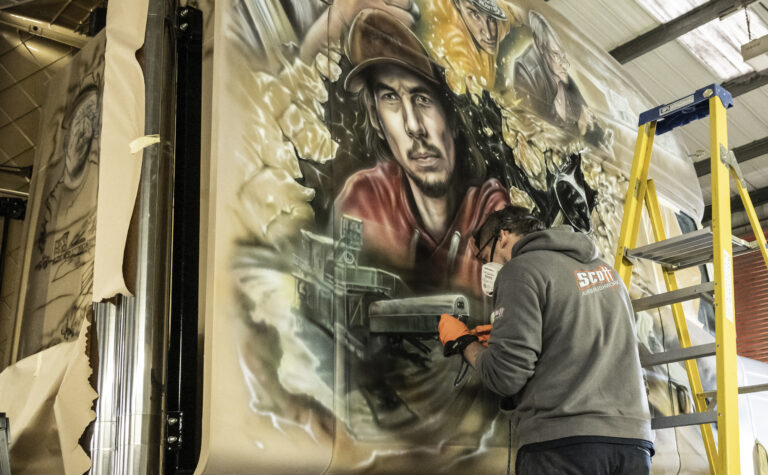
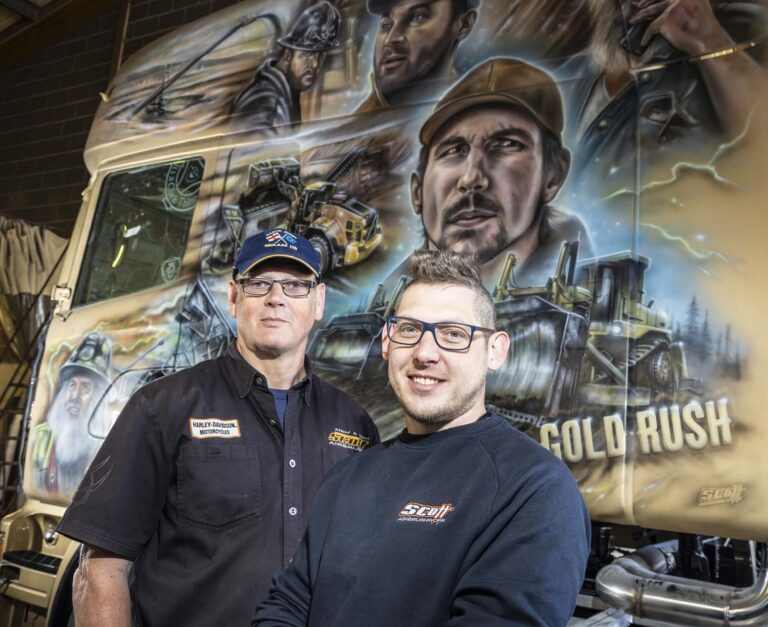
Scott Airbrushwork has been making vehicles stand out from the crowd for decades. Dan Parton meets Tom Scott, son of the company's founder Andy, to find out just how it creates such head-turning designs
If you have been to any truck show in the UK and beyond over the past few years and marvelled at the airbrushed trucks there, then you have probably encountered some of Scott Airbrushwork’s designs.
The company has been a well-known name on the truck customising scene for several decades, and has a broad spread of customers, from haulage operators wanting a spray-painted truck to celebrate an anniversary to bikers wanting a design on their helmet. “The range of work we have is really varied,” says Tom.
Tom usually works out of a paintshop in Barnsley, although he will travel to a customer’s location if the job requires it – usually if it is for something special.
He typically has a couple of trucks to work on every month, along with some more longer-term projects, although those are usually trucks that are being restored, rather than those that will be out on the road five days a week.
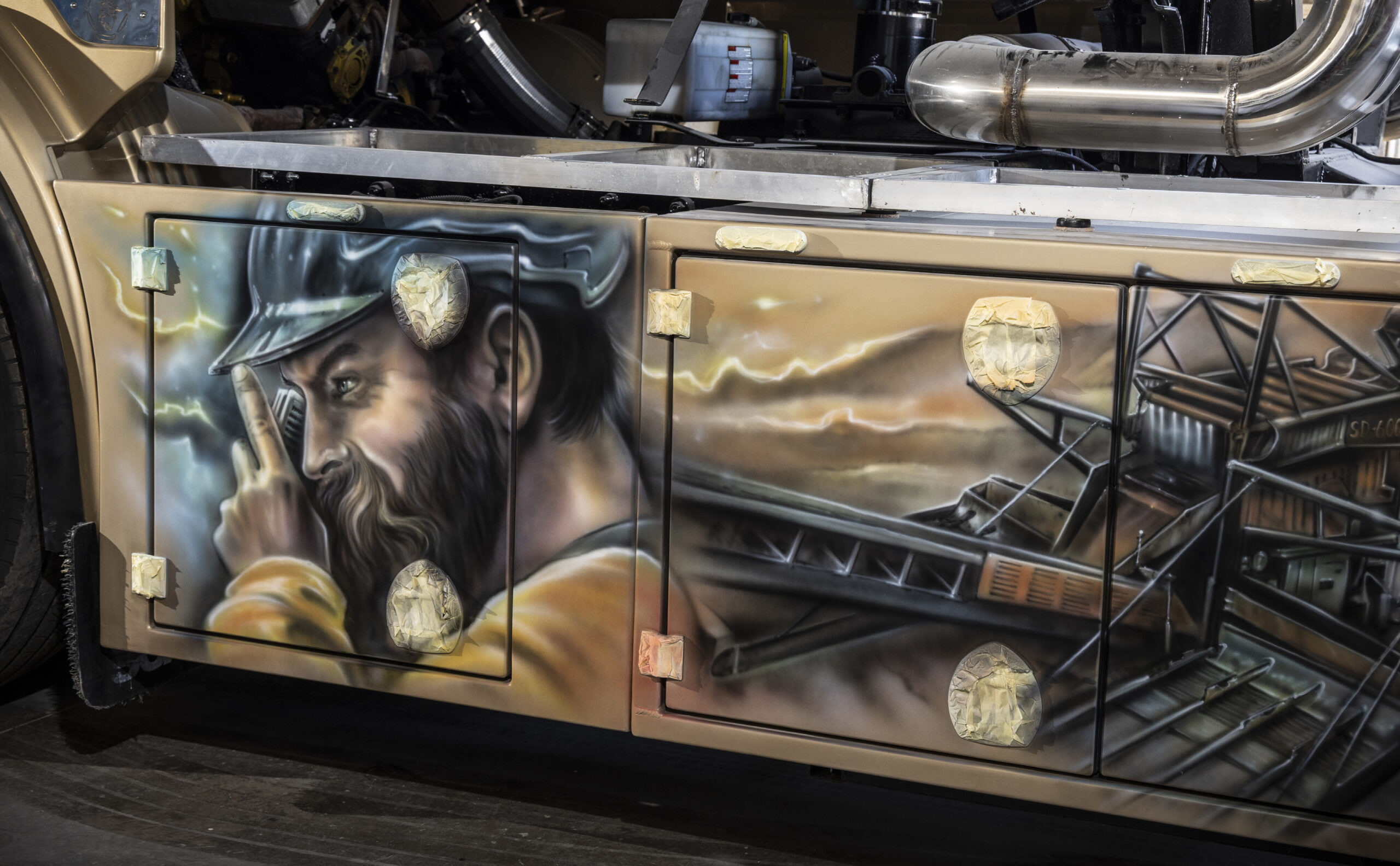
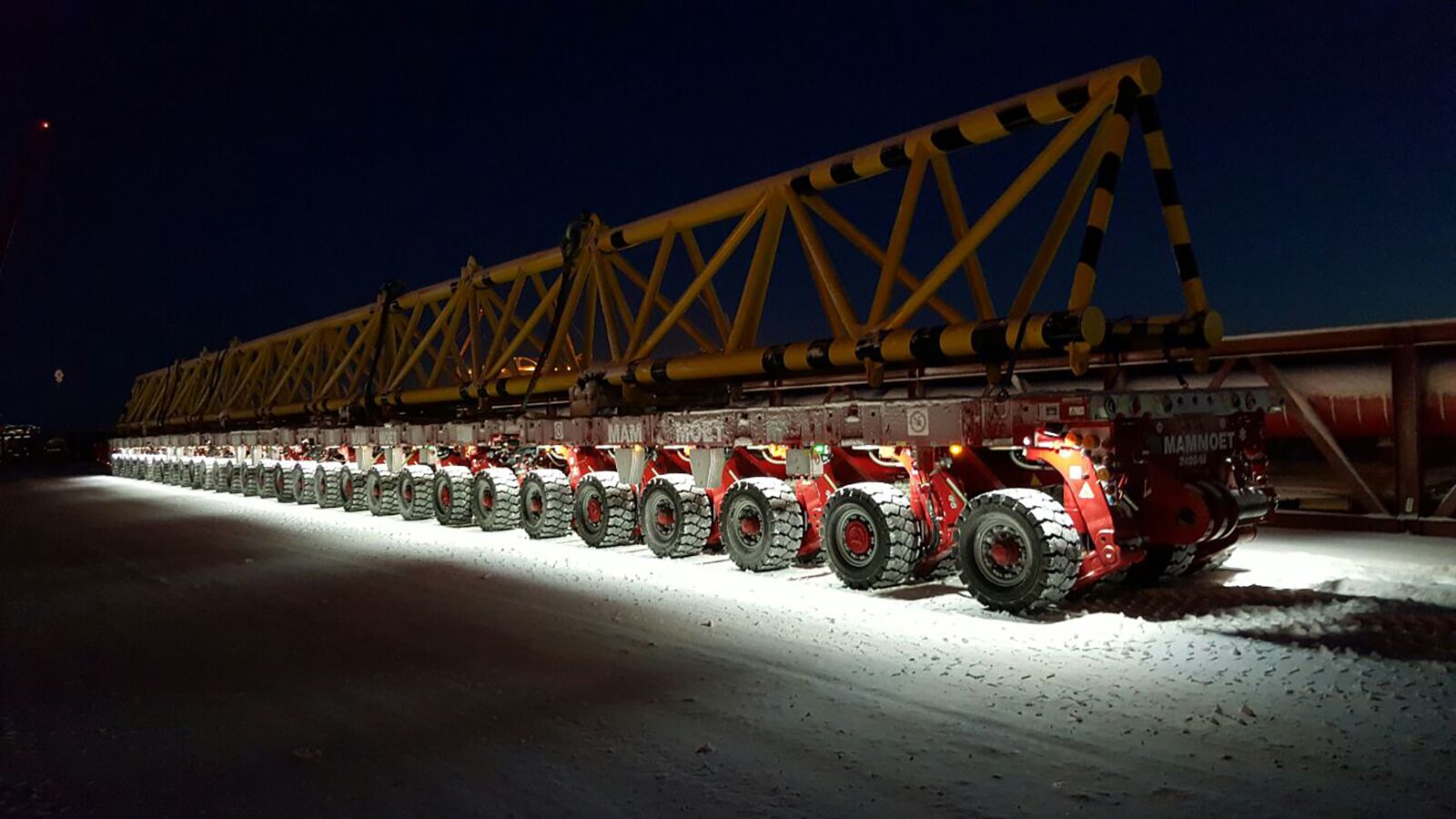
We find out how Osprey delivered the UK’s first known electric SPMT move with TII Scheuerle’s ePPU, and what it unlocks for enclosed, sensitive port work
Ports, production halls and shipyards are tightening noise and emissions rules. That is pushing self-propelled modular transporters indoors and closer to sensitive operations, and squeezing diesel to the margins. Against that backdrop, Osprey has rolled a critical component out of an enclosed building, down to the berth and on to a barge with no exhaust at all.
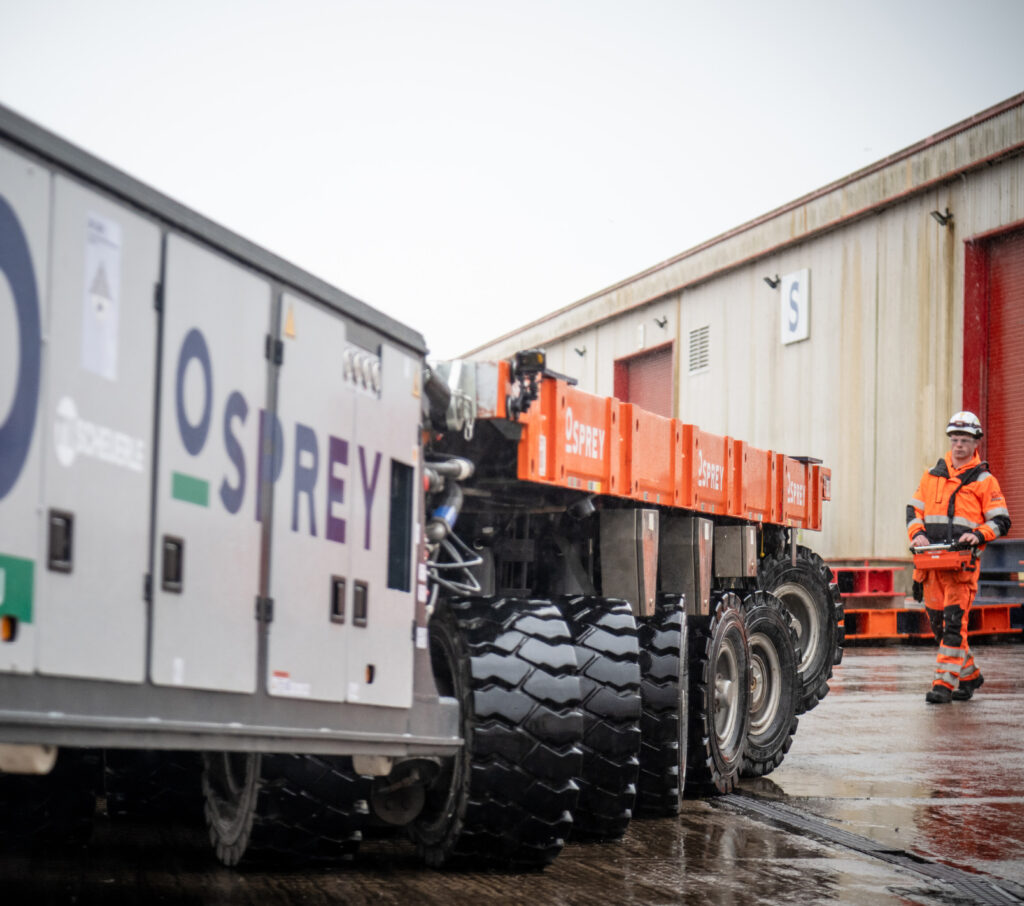
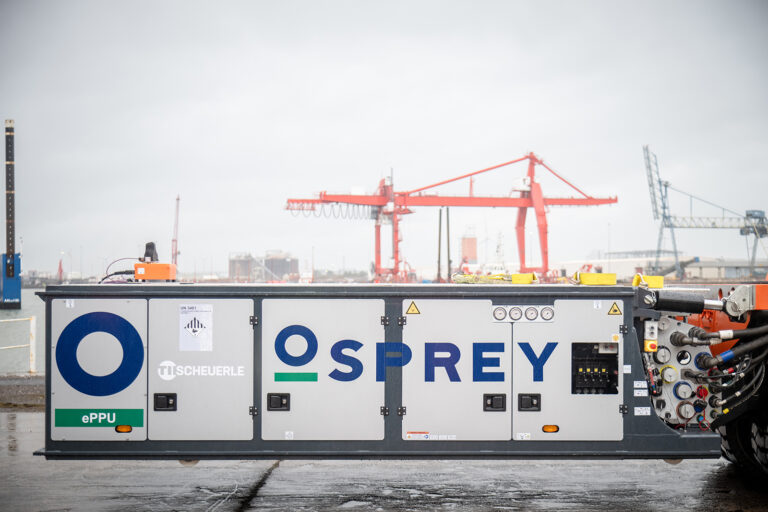
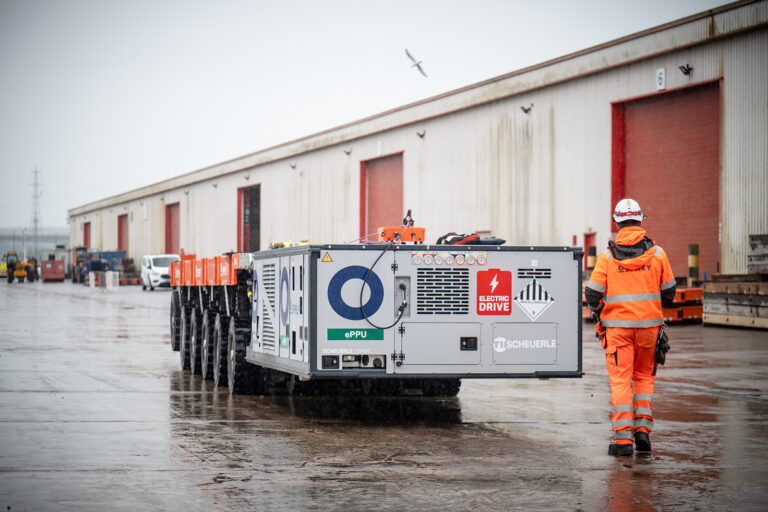
Working with TII Scheuerle, the UK heavy-lift specialist has completed what is understood to be the country’s first electric SPMT move. The entire job ran on the manufacturer’s battery-electric PowerPack Unit (ePPU), underlining that zero-emission heavy transport is now a practical option under real port pressures.
The sequence was textbook project cargo: inside an enclosed building, the load was placed on SPMTs, driven to the quay and transferred to a barge via roll-on/roll-off. Every stage was powered by the ePPU rather than a standby diesel, delivering no local emissions and a markedly quieter working environment.
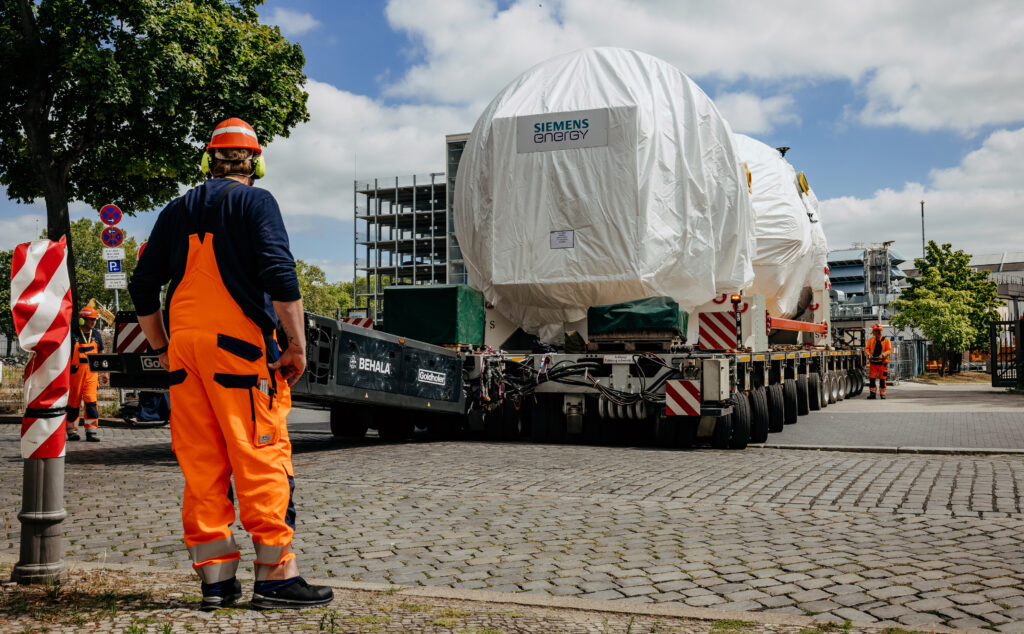
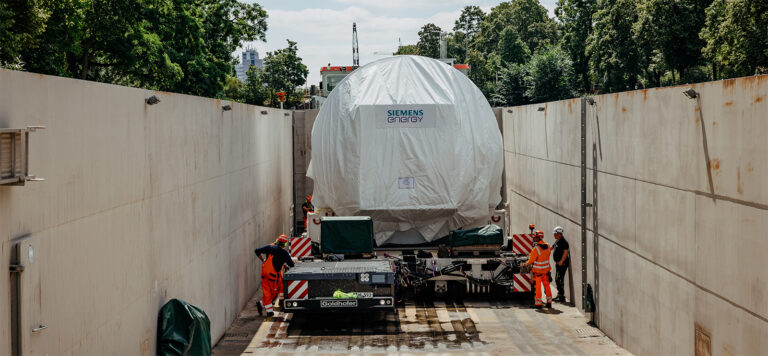
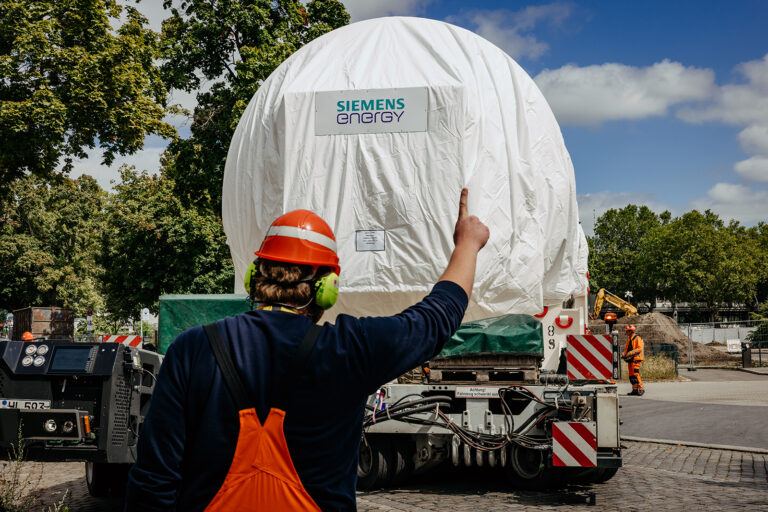
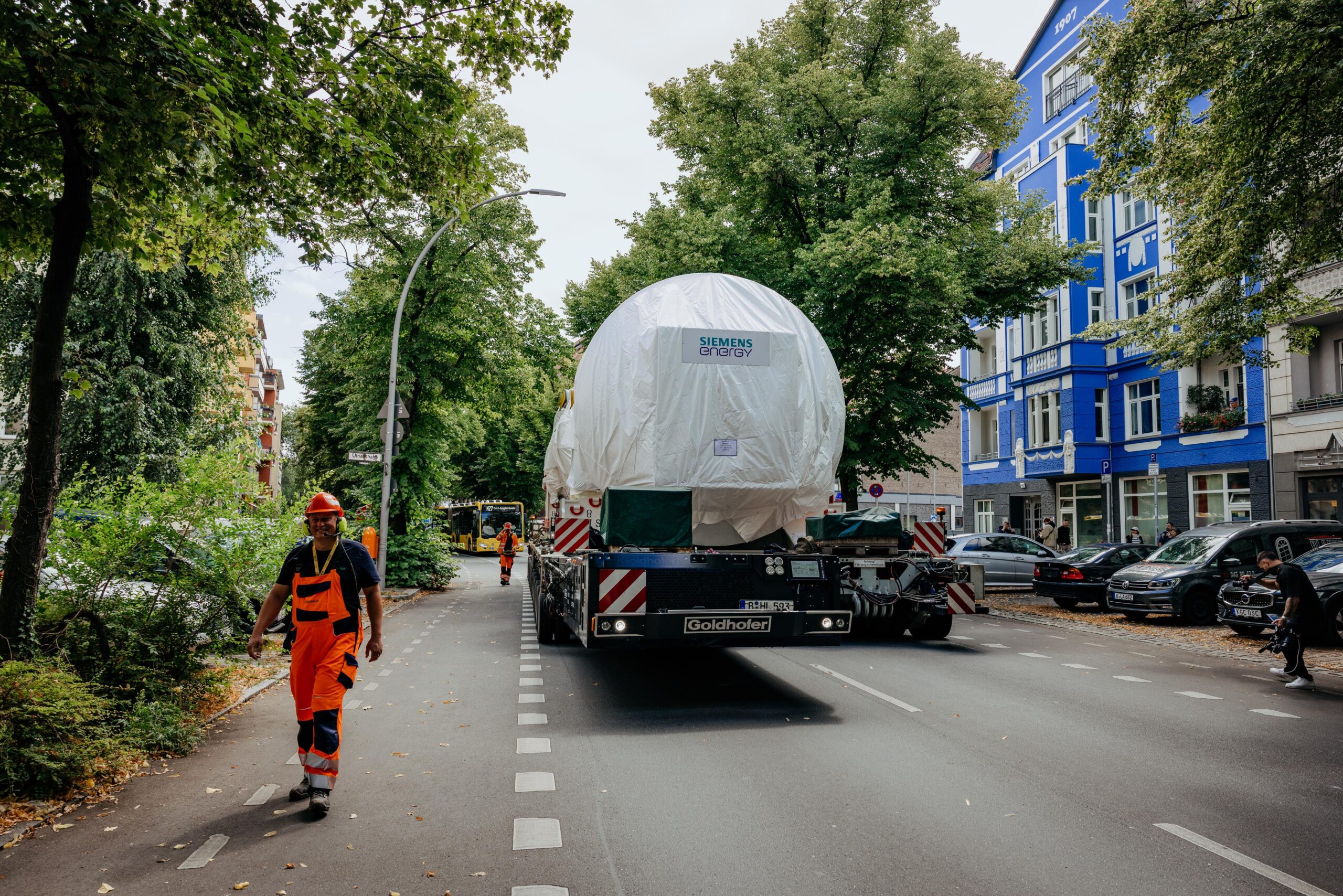
We meet BEHALA and Goldhofer on Berlin’s waterfront to learn how a series-built E-PowerPack shifted a 430-tonne Siemens Energy turbine, quietly and cleanly
Berlin’s heavy haulage made a different kind of noise at the end of July. At BEHALA’s roll-on/roll-off terminal on the Spree, a Siemens Energy gas turbine weighing about 430-tonnes edged onto its modular trailers to begin its journey. Instead of the familiar thrum of diesels, there was a muted electric whirr. On 24 July 2026, the move marked the first practical European deployment of Goldhofer’s fully electric E-PowerPack on a job of this scale.
Few know this corridor better than BEHALA. Since 2012 the port operator has managed onward transport for Siemens Energy gas turbines built in Berlin, sending more than 300 units out via the city’s waterways. The choreography is well drilled, yet the context is unforgiving: a dense, lived-in city where residential streets, rail lines and factories meet. "Anyone moving a 430-tonne gas turbine through a living city carries responsibility," says Leon Tietz, Head of Logistics at BEHALA. "It is not only about the transport itself but also about the people living along the route. That is exactly why the E-PowerPack convinced us."
ALLMI delivers the latest news, views and events from the UK loader crane sector.
In this edition: Credibility driving growth; Downloads keep climbing; Essential examination guidance; Confidence through competence; Membership meeting announced; Compliance through training; Talent in Demand; Technical progress made.

Patrick Versteeg joins Truckstar’s electric test day in the Netherlands to find out how the latest battery trucks drive, and where hydrogen and infrastructure fit into the haulage picture
Truckstar, the Dutch counterpart to the now sadly defunct Truck & Driver, staged an April ride-and-drive for drivers keen to sample electric trucks against their daily diesel. On the apron were DAF, MAN, Mercedes, Renault, Scania and Volvo.
I threw my name in Truckstar’s lottery and got the nod. Reporting to a new EV charging site at Waddinxveen, just off the A20, our first stint was in MAN’s new eTGX.
It had been a while since we last climbed into a MAN, and the step-up was obvious: a cab with generous storage, a proper bunk and a decent-size fridge, plus dashboard materials that feel a class up from the flimsy hard plastics of old. Out on the road the revelation was bigger still. Smooth and near-silent, the eTGX pulls like a train.
The test loop mixed motorway, dual carriageway and N-roads, and to get the best out of a charge you do have to adapt. One-pedal driving soon becomes second nature. As anyone moving heavy, wide or long loads knows, keeping the truck rolling is everything, as is anticipating early and using the engine brake or retarder.
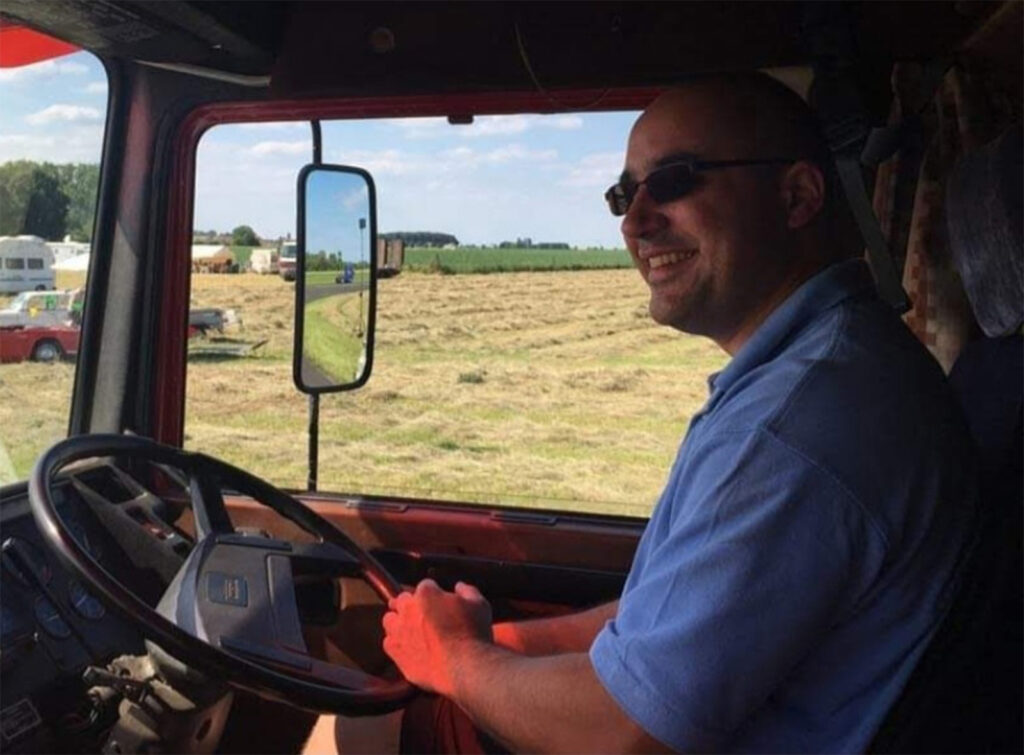
Seen something special on the road? Then upload a picture to the 'Capture of the Quarter' group on Facebook. All entrants that appear here win a copy of HeavyTorque and the winner receives an annual subscription to the magazine
IF YOU’D LIKE TO SEE YOUR OWN IMAGES PUBLISHED WITHIN FUTURE ISSUES - THEN JOIN THE COTQ REVOLUTION TODAY! PLEASE VISIT:
https://www.facebook.com/groups/HeavyTorqueCOTQ
HUGE CONGRAULATIONS GO TO ALL THOSE SHORTLISTED, AND OUR ANNUAL SUBSCRIPTION WINNER
DEREK O'TOOLE!
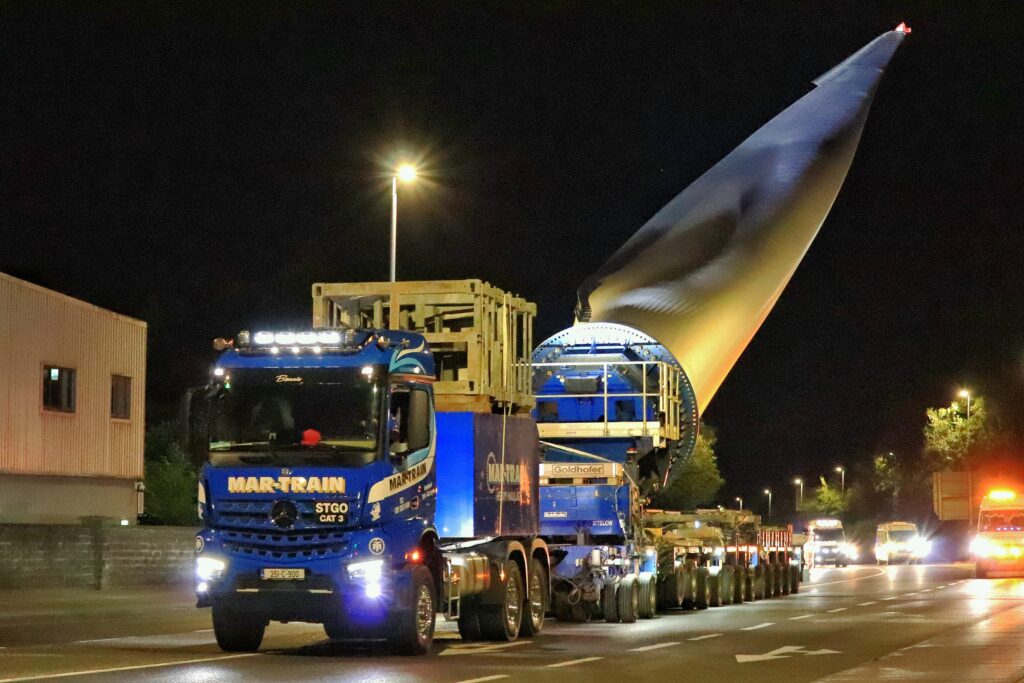
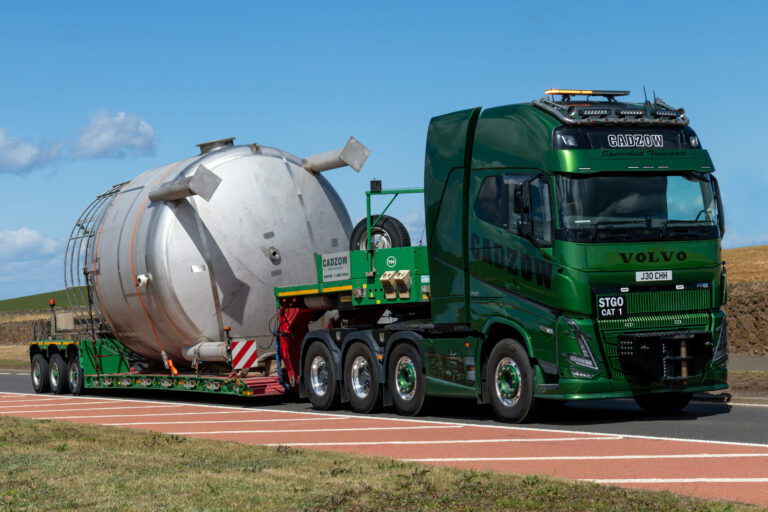
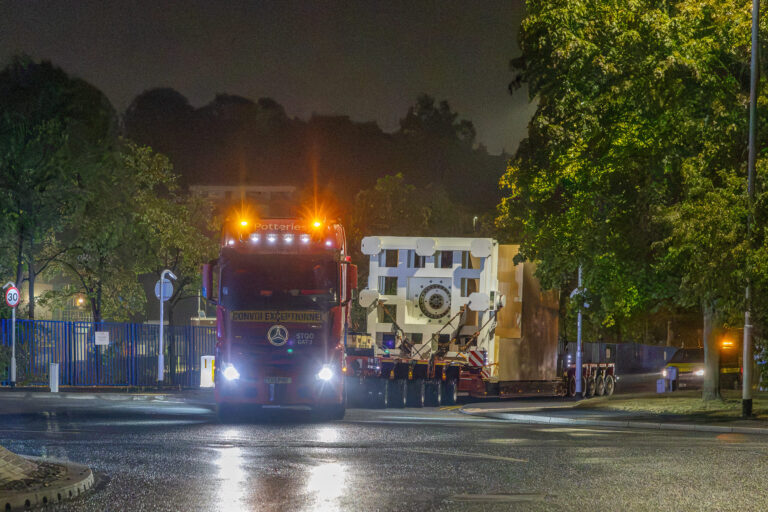
Seen something special on the road? Then upload a picture to the 'Capture of…
Read the featureBob Beech explores how King Group has broadened its offer, refined its trailer range…
Read the featureWe find out how Osprey delivered the UK’s first known electric SPMT move with…
Read the featurePeter McKenna examines how the collapse of West Midlands police’s mobile-crane prosecutions has sharpened…
Read the feature


Three specialist titles. One essential weekly read.