Operator
Loch Shiel Garage
In a place where long miles, ageing ferries and harsh winters test every call-out,…
Read the feature Subscribe
 Issue #13 · October 2024
Some look for a life in roadside assistance and recovery while others, like JPW Commercials founder Jason Wiltshaw, just find themselves getting drawn into it as one thing leads to another
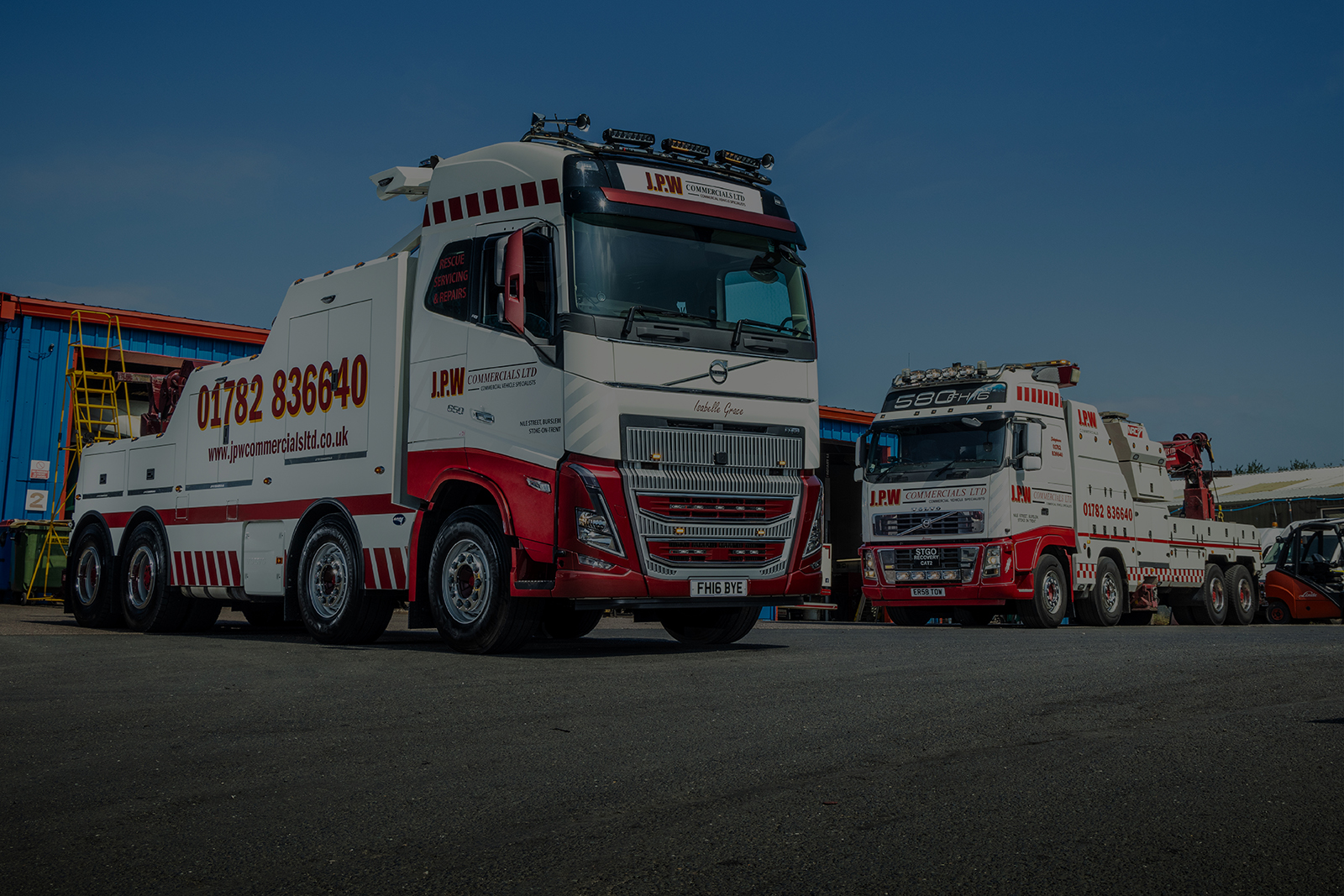
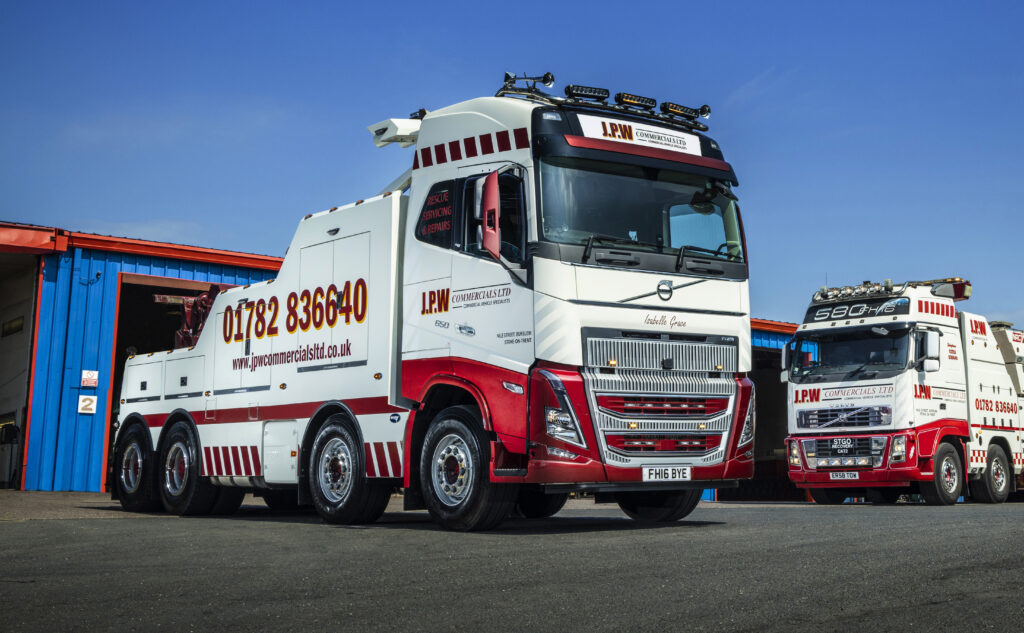
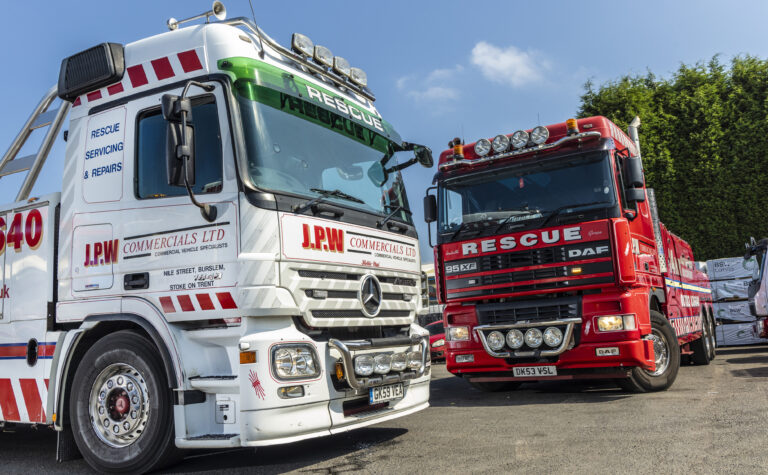
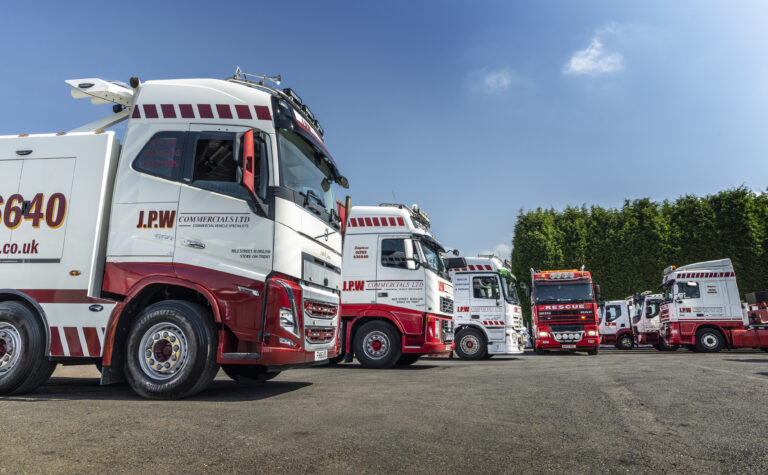
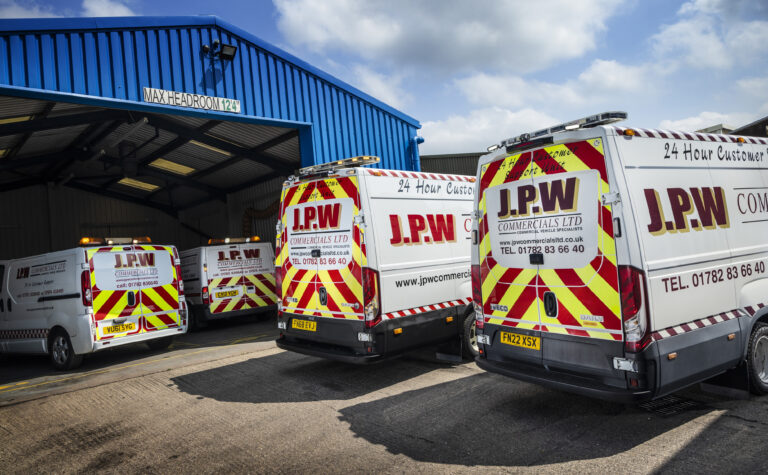
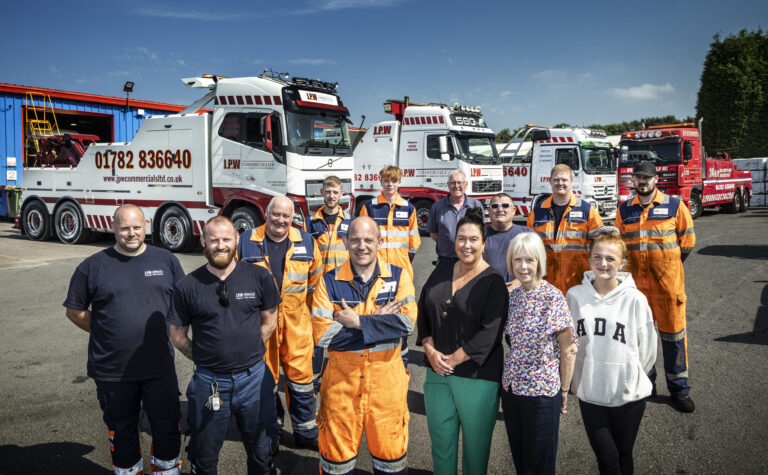
In August 1999, Jason Wiltshaw sold his car, bought a used Ford Transit, and started JPW Commercials, looking to repair vehicles. Fast-forward 25 years, and he has just taken delivery of the latest truck to join his thriving recovery and workshop business, although this vehicle did admittedly cost a bit more than that first Transit.
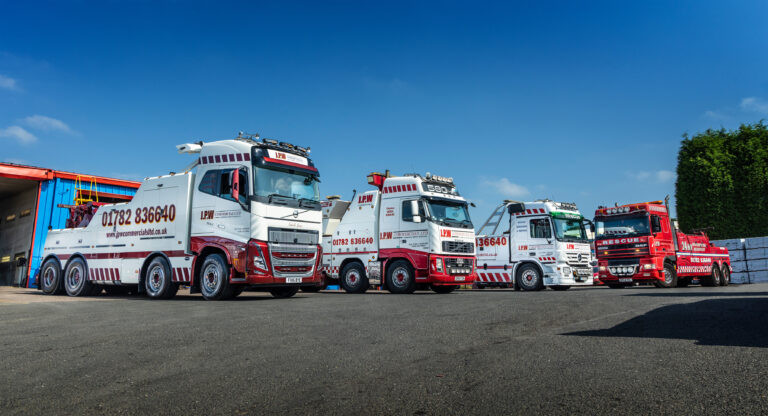
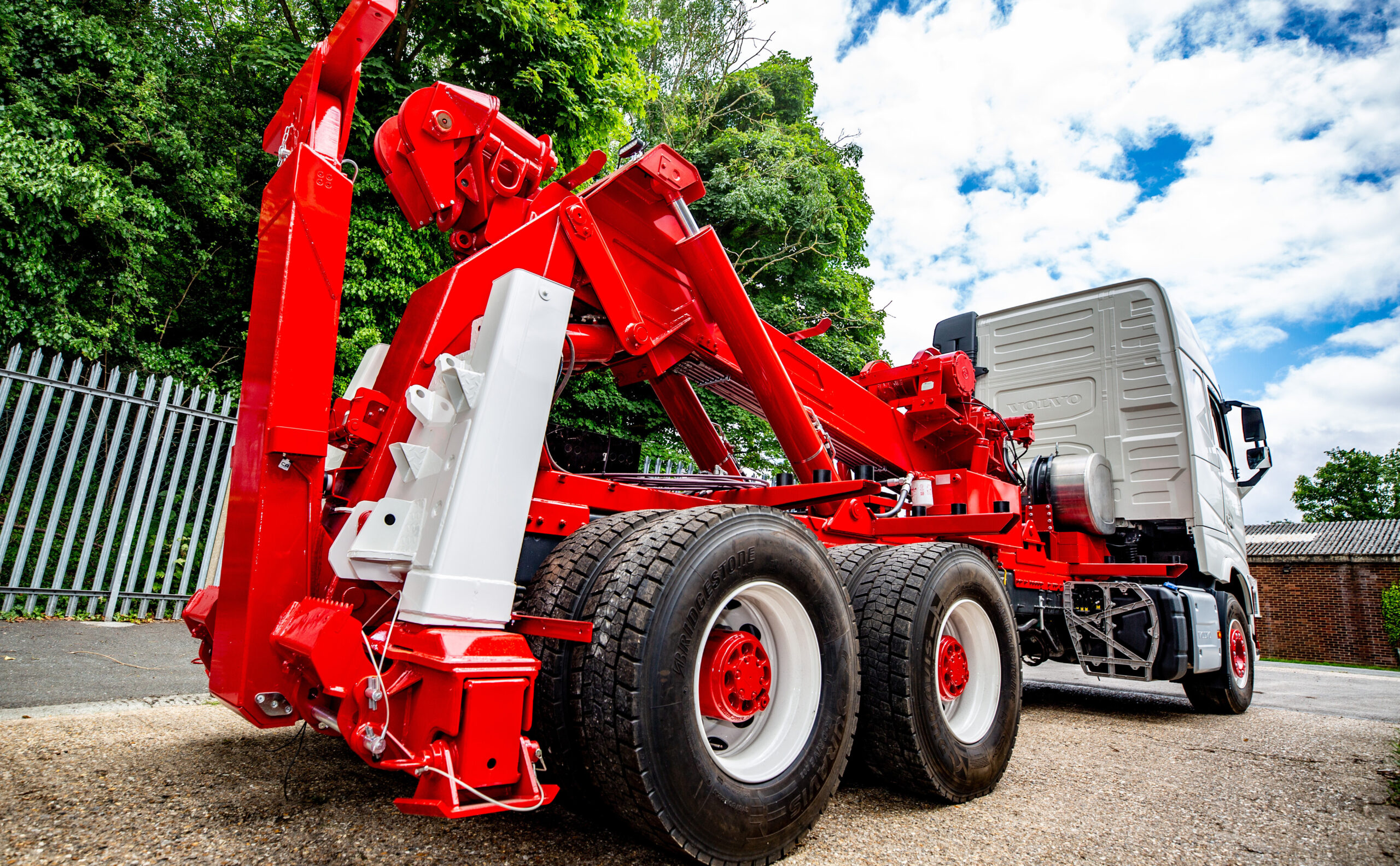
The Volvo FH16 8-wheeler with a Boniface Trident recovery body has taken some three years to arrive from the initial order, he tells us. That’s because it was caught up in the delays caused by Covid and the semi-conductor shortage, which affected Volvo’s production. And when it finally arrived at Boniface, meanwhile, the chassis had to spend a considerable time there as the body was tailored to Jason’s particular requirements, which included larger than average lockers placed where they are most convenient for the driver.
“We also ordered some quite specialist stuff on it, such as changing the diff ratios to make it slightly higher geared for better fuel consumption,” he says.
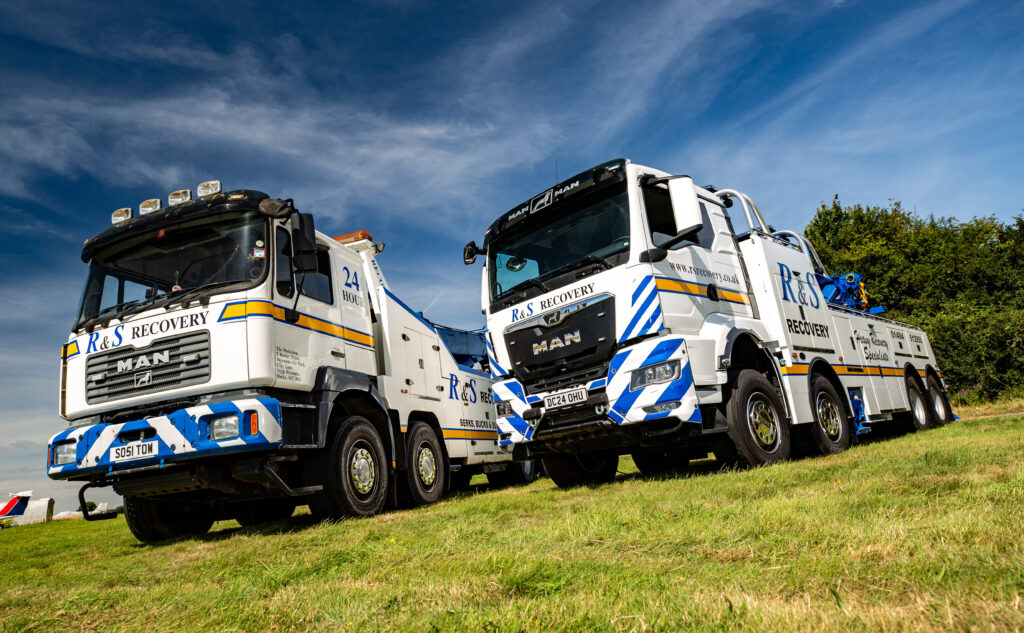
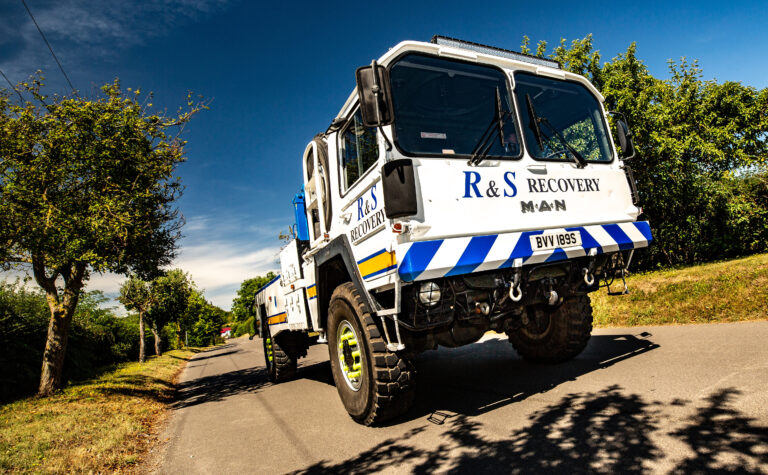
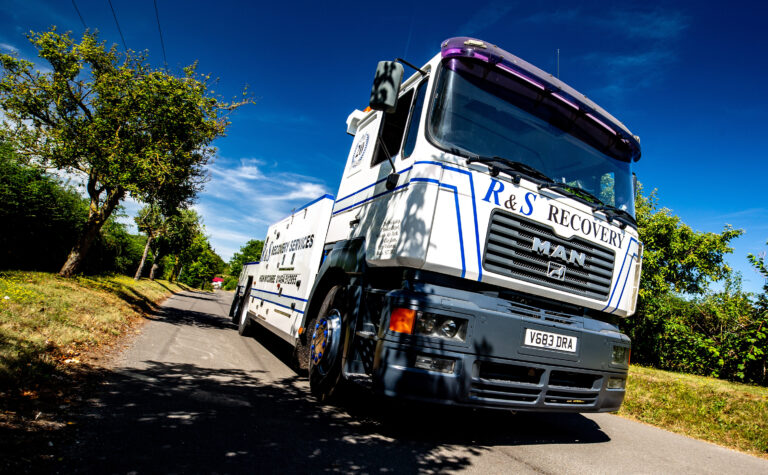
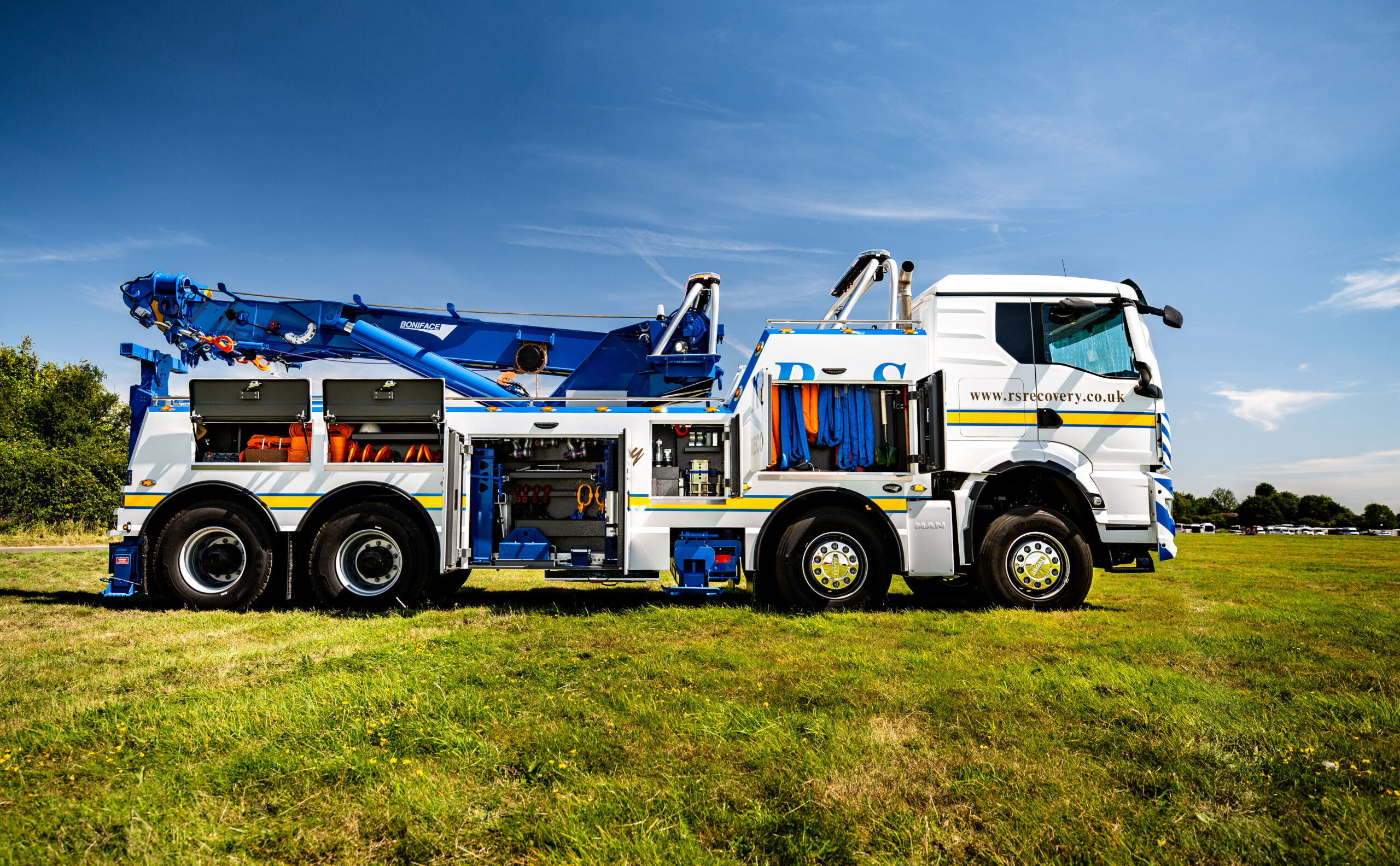
Expansion is a tricky business for a company in the roadside assistance sector, but R&S Recovery Services seems to have got the balance just right – though it admits it has now grown far beyond its original intentions. Bob Beech casts an eye over its formula
Urban areas can be difficult for recovery operators, with strict emissions and safety regulations forcing them to use the latest vehicles and heavy traffic being a daily challenge. And those in rural areas have their own headaches, like having to access fields or other remote areas and recovering agricultural and other heavy equipment along with all the usual cars, vans and HGVs on country lanes.
And then there are operators like High Wycombe-based R&S Recovery Services which, between its High Wycombe base and additional depots in Guildford, Surrey, Taplow near Maidenhead and Bicester, Oxfordshire, covers a wide area that encompasses everything from Greater and Central London and many large towns in the Home Counties to some of the busiest motorways in the country, along with country lanes and farmers’ fields.
The family-owned operation has grown considerably in the last two decades, via both organic expansion and the acquisition of other companies’ operations.
Lots of rescue and recovery firms have to face adversity somewhere along the line. But we doubt many have had to deal with as big a challenge as Chertsey-based J&A Recovery and Rescue
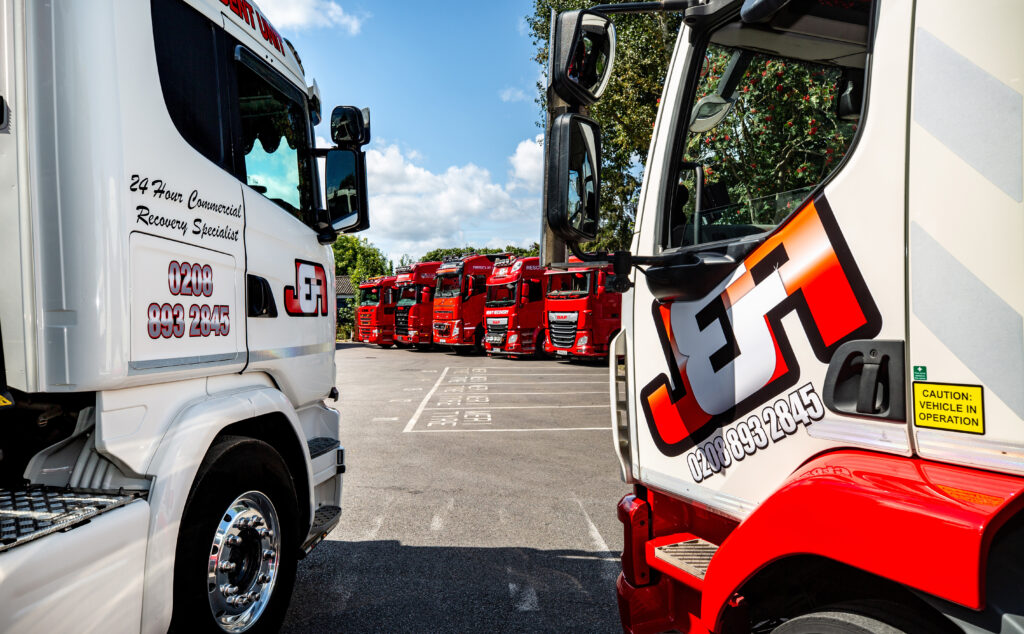
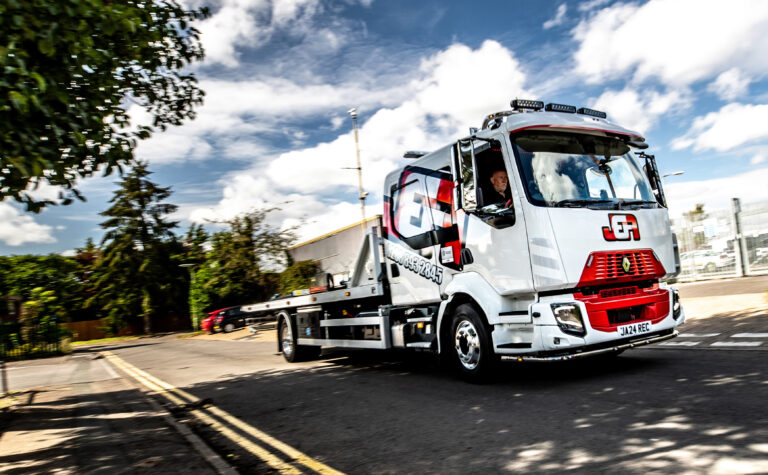
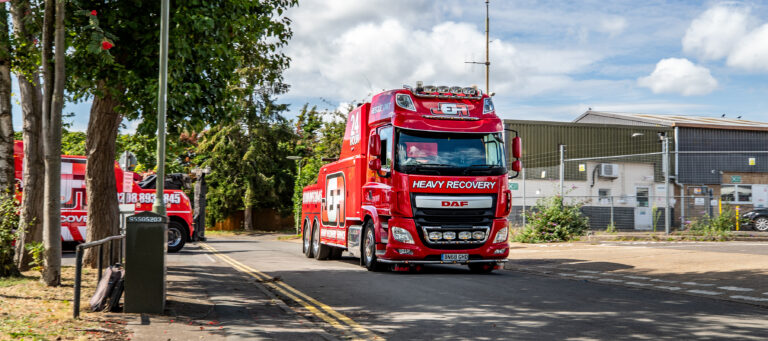
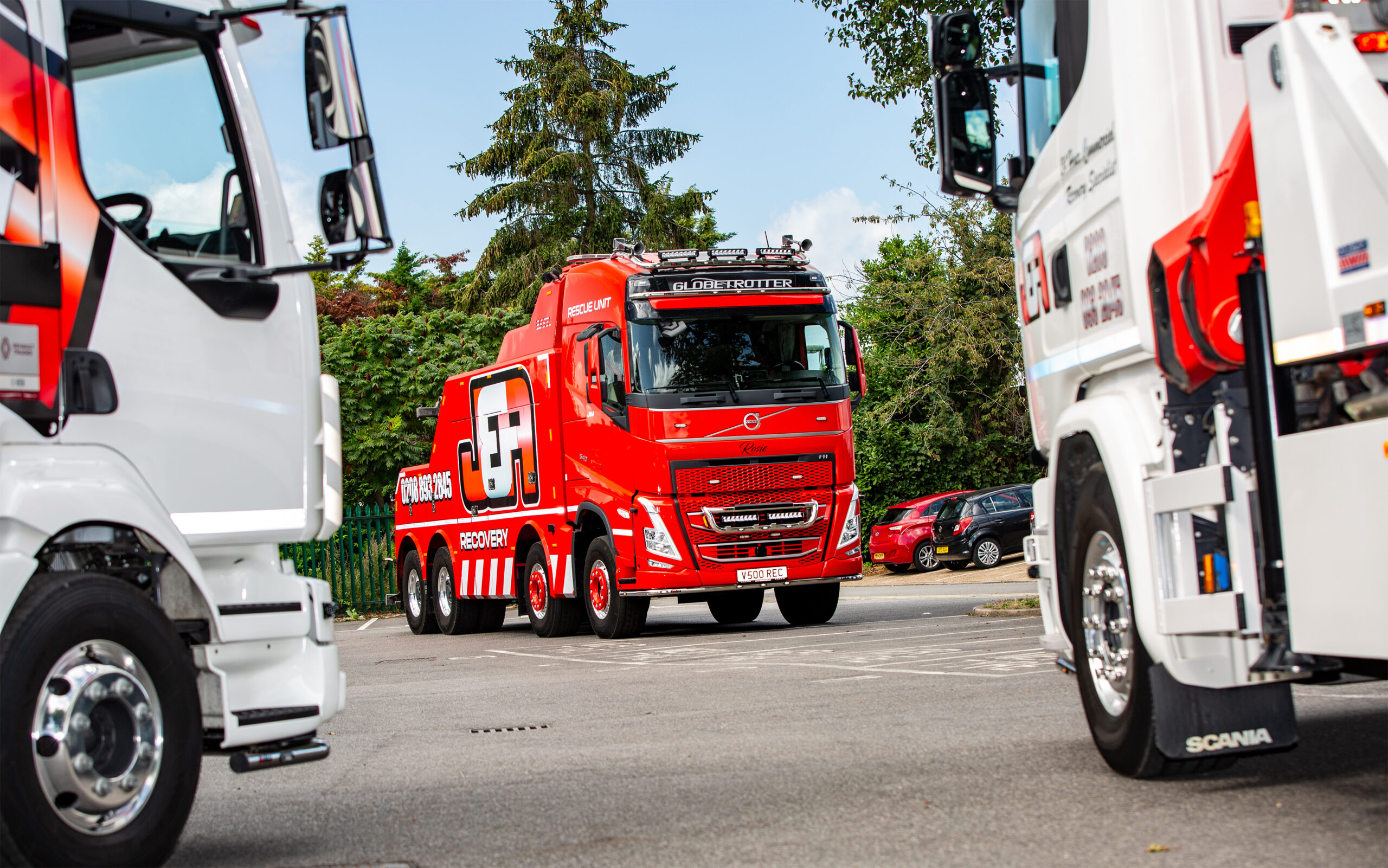
The Spearing family behind Chertsey-based J&A Recovery and Rescue deals with the industry's daily peaks and troughs in demand with relative ease. But over the years, they have had to overcome real adversity and cope with some difficult issues. Not that you'd know it, looking at the successful operation there today, which has grown steadily and now runs a comprehensive range of vehicles and equipment.
The firm dates back to 1987, when the late Colin Spearing set up as a mobile mechanic, working out of a van to provide repairs, maintenance and roadside assistance for truck operators in west London, close to Heathrow airport.
He quickly built a reputation for doing a good job at a fair price, and demand for his services grew.
“Colin trained as an electrical engineer originally and moved across to vehicle mechanics,” says his wife Christine, who now heads the company. “He did things properly and whenever possible repaired things, rather than just replacing parts until he found the fault. Many of the local owner-drivers and small hauliers used him and the business grew.
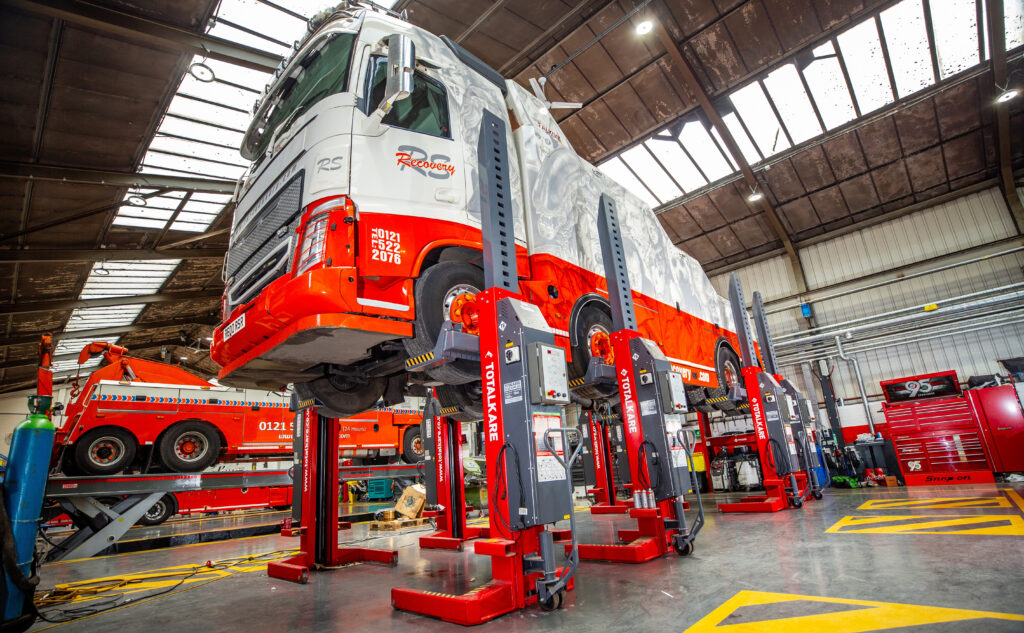
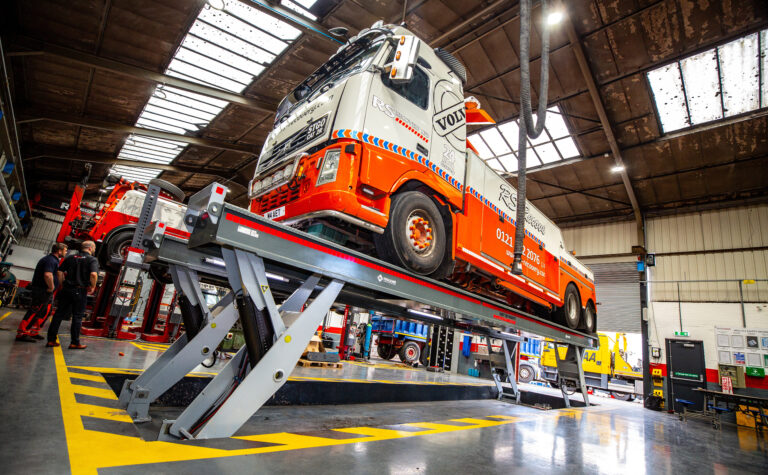
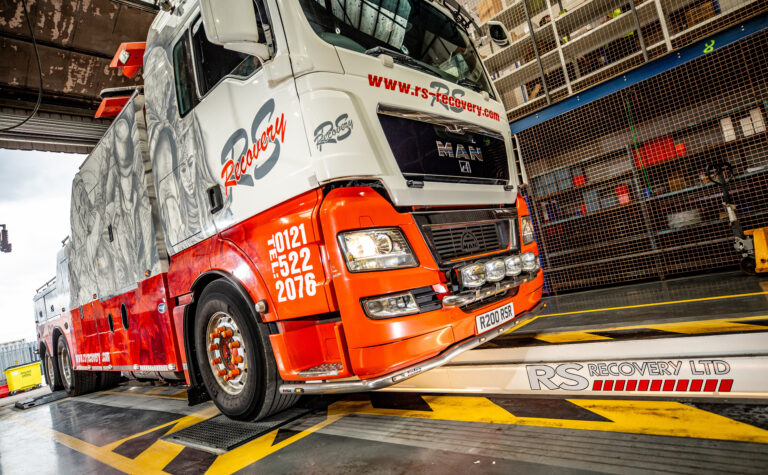
Rs recovery has recently upgraded the workshop at its HQ and kitted it out with a variety of equipment from Totalkare, including two 10-metre long pits, to help maintain its vehicle fleet. Steve Banner finds out how the process went
RS Recovery has opened a new 675 square metre five-bay workshop at its Tipton, West Midlands, headquarters on the Coneygre Industrial Estate.
Replacing an older two-bay workshop at the same location, it has been set up to maintain the company’s 110-strong vehicle fleet, explains recovery manager Leonard Perry. The old workshop did not provide the capacity needed.
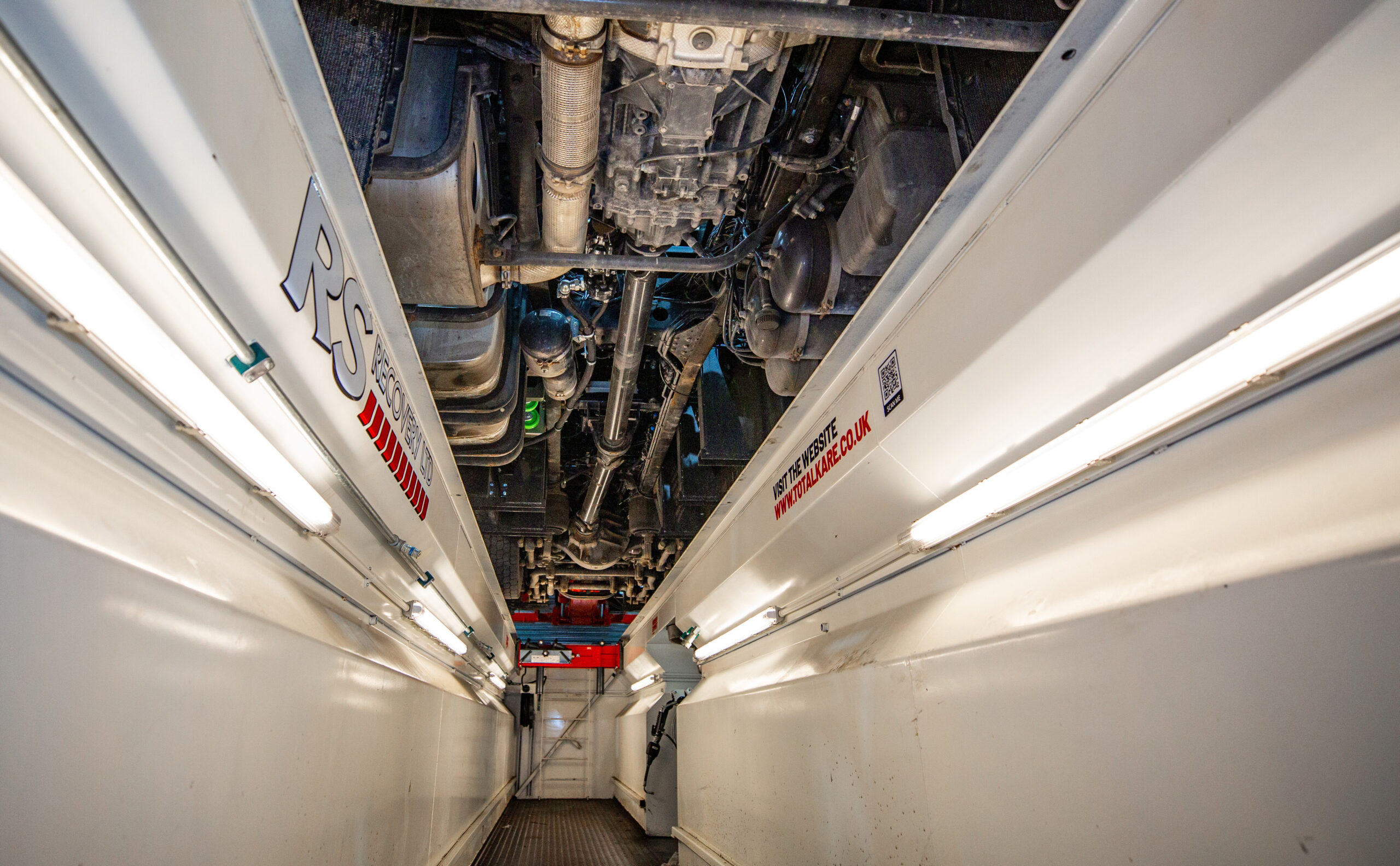
The new workshop has been kitted out by Totalkare, based less than seven miles away in Kingswinford, and the investment RS Recovery has made is substantial. It has involved the installation of a pair of 10-metre long, 1.65-metre deep inspection pits linked by an 8-metre long access tunnel. “When you walk into the tunnel you can turn left or right,” says Totalkare’s project account manager James Atkins.
Says Leonard: “We chose that set-up because our workshop is quite short, and individual steps for each pit would add 1.5 metres to its length.” Adds James: “In essence the pits were put in across three bays.”
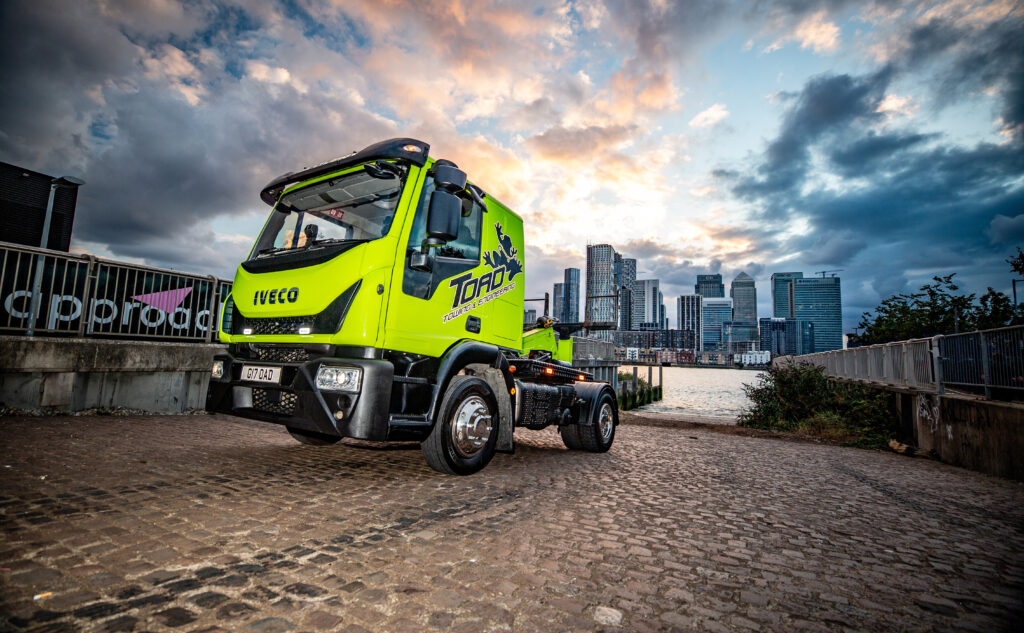
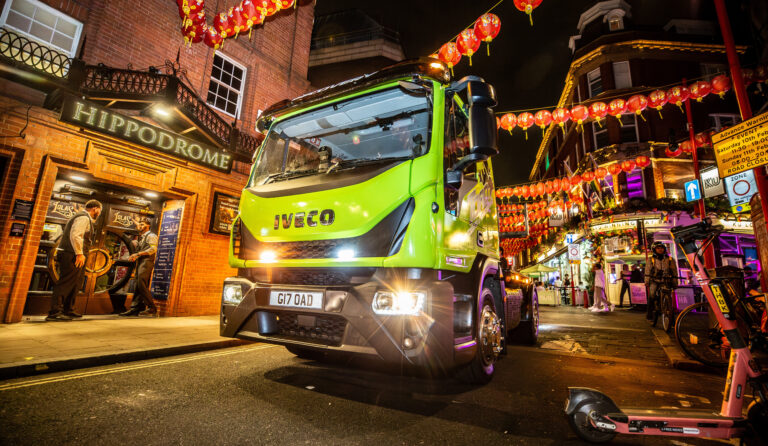
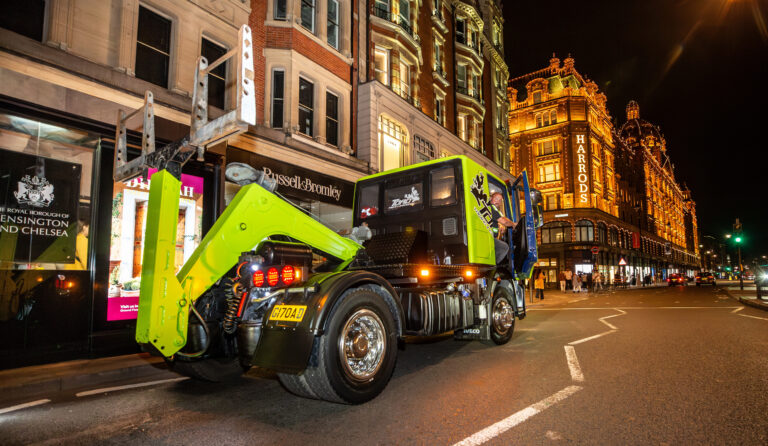
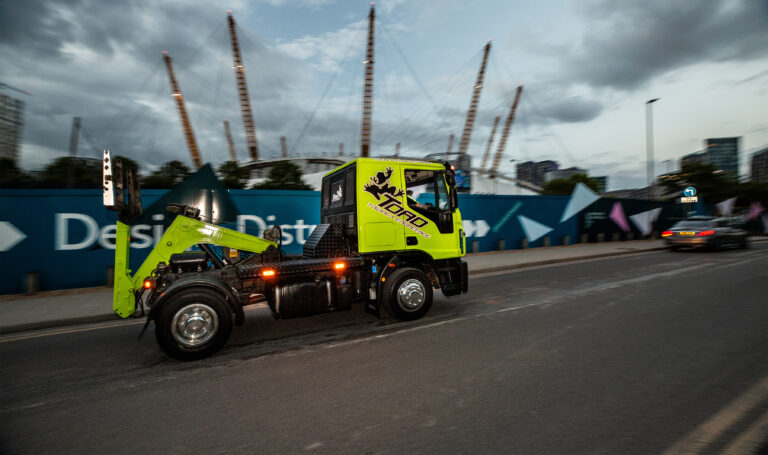
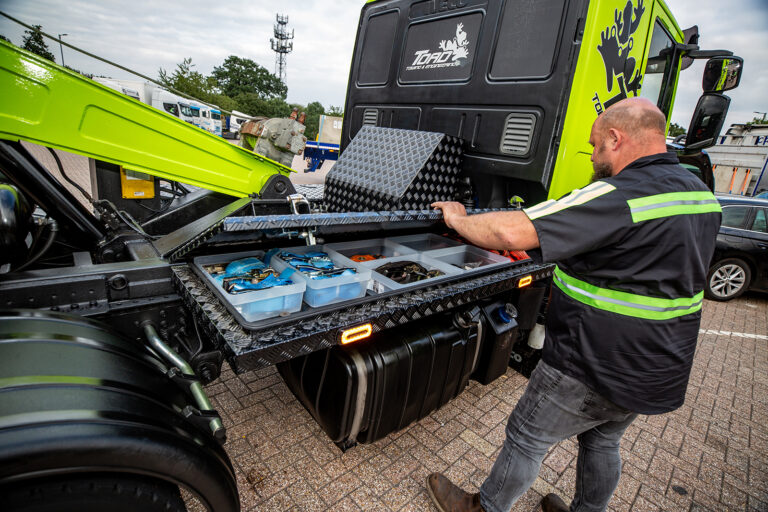
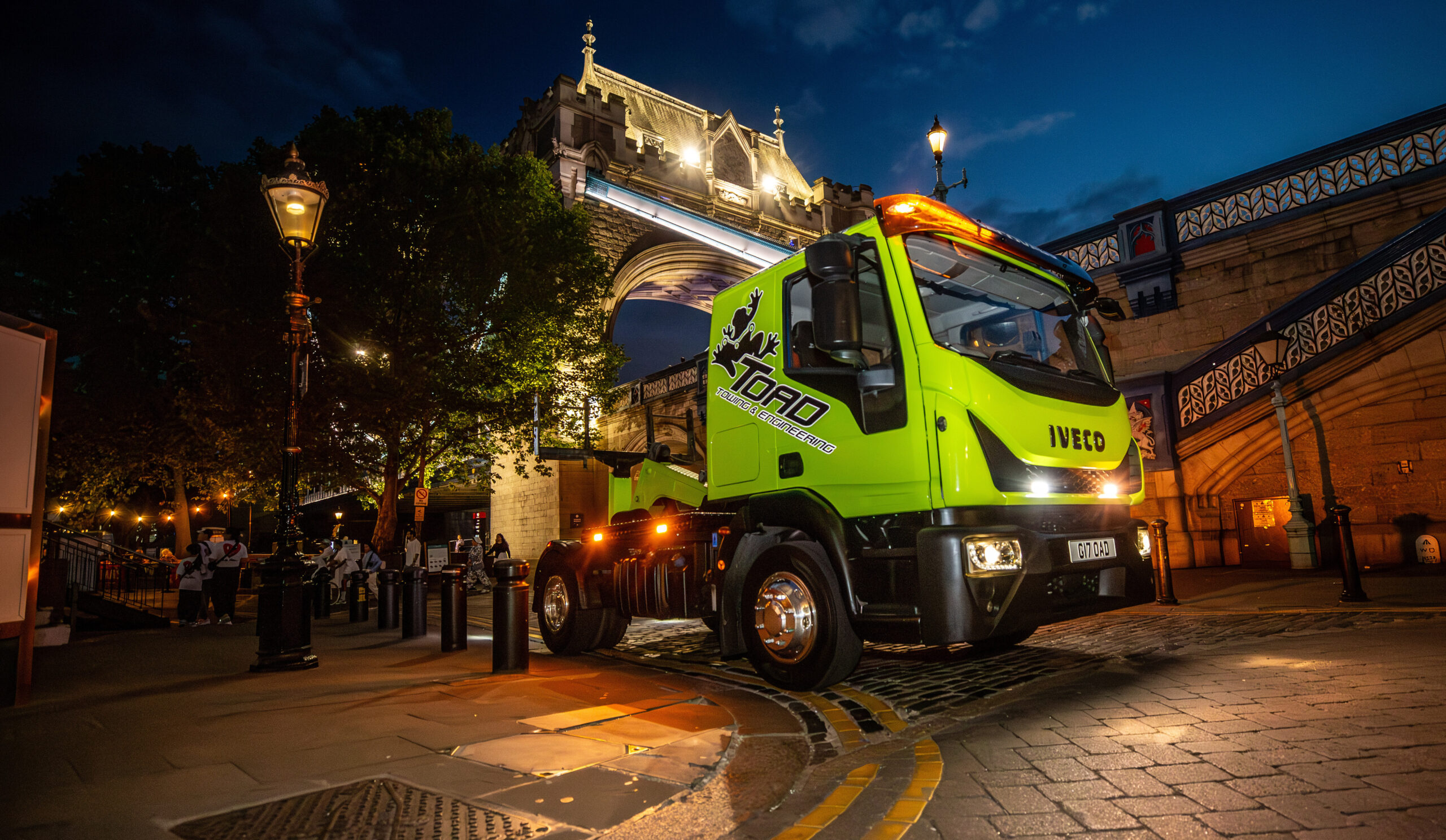
Need a new spec lift? Then why not do it yourself? Irte member and owner-driver at Toad Towing Lee Briggs recounts the process of building his own recovery vehicle earlier this year
At the end of March, I set out to build an additional truck for my business. My Renault Range T can sometimes be cumbersome when used for 3.5-tonne vans or campers as the majority of them have become front-wheel drive, and with little in the way of substantial chassis or axles, they make wheel grids or a total lift the norm.
According to figures from the DVSA, the biggest rise in registrations of new vehicles in 2023/2024 was in the large van market, as vehicle operators switched from traditional 7.5-tonne trucks to high-payload vans.
I wanted to be able to recover 7.5-tonne GVW vehicles and campers with long rear body overhangs, as I undertake a lot of long-distance work with such vehicles, and I'd decided that using a smaller vehicle than my heavy recovery truck would help me remain competitively priced for such work.
A slide-bed would have required at least a 16-18-tonne chassis on air and ideally an SLA or demount-type bed, and of the few available on the used market at the time, there were none that were both Euro-6 and in my price range.
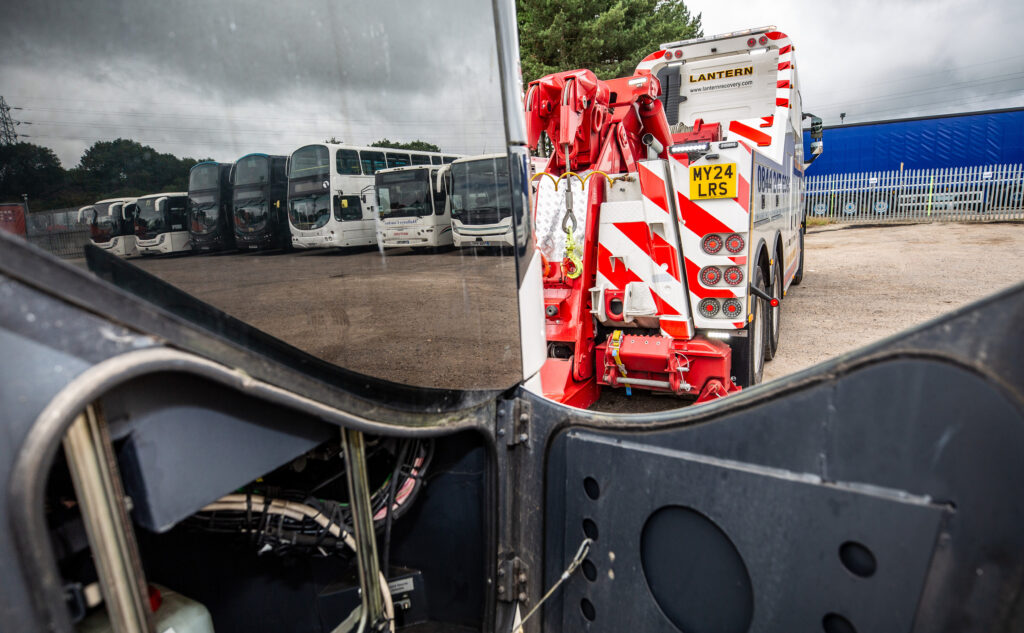
Lantern recovery specialists seems to have more than a bit of fairy dust up its sleeve, judging by the continual expansion of this successful Hertfordshire-based recovery operator. Bob Beech finds out what's been going on
Plenty has happened since we last visited Lantern Recovery Specialists over two years ago. As one of the largest recovery operators in the country, based in the most densely populated part of the UK, the volume of breakdown and recovery work it carries out in the south-east continues to expand, for one thing.
Getting to the scene of an accident or breakdown has become more difficult, of course, thanks to the UK's increasing traffic volumes and its crumbling road network system, as well as the additional traffic problems caused by incidents themselves. In addition to its work in London and the Home Counties, Lantern also provides a nationwide service, using out-based vehicles of its own and a network of trusted agents.
Keeping response times to a minimum requires a high level of planning and organisation, with as many as 300 jobs to deal with on a normal day and roughly twice that on the busiest ones.
Dealing with the peaks and troughs of this demand is far from easy, and maintaining standards requires a fully staffed control centre operating 24 hours a day, 365 days a year, as well as…
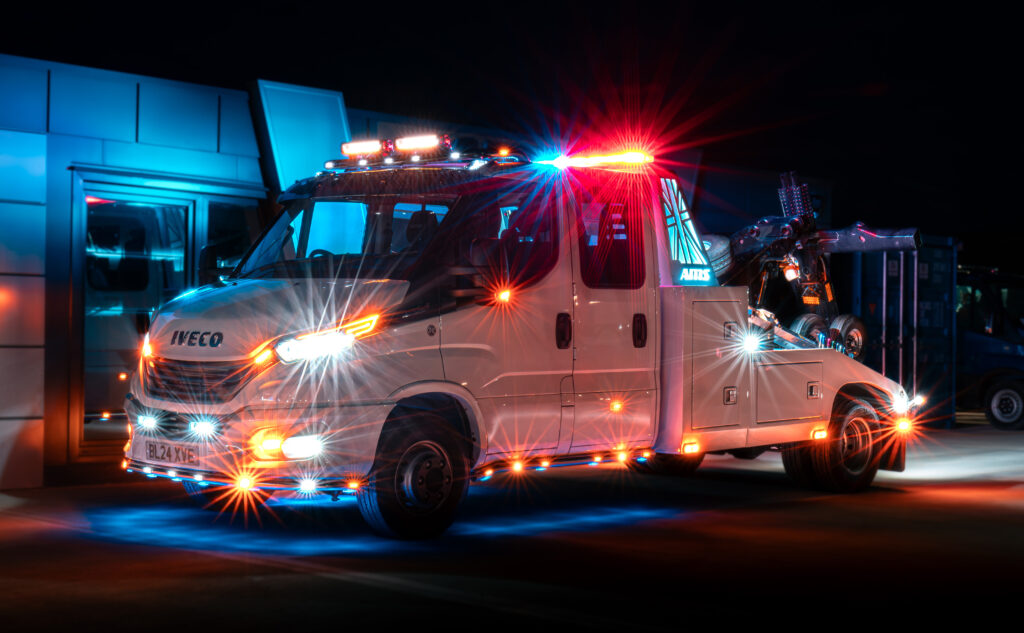
Firstline recovery has just had a new Iveco Daily fitted out by AMS Recovery Trucks with a lightweight aluminium body and Miller Industries recovery equipment
A new Iveco Daily-based recovery vehicle has just been completed by AMS Recovery Trucks for its customer First Line Recovery. The 7-tonne crew cab Daily features a custom-made lightweight aluminium body with Miller Industries heavy-duty equipment including a boom and a pair of winches.
The new vehicle has a towing capacity of 3,500kg and can lift 2,700kg, with a stabilising fork that can anchor it to the ground and additional counterweights making off-road recoveries possible.
Josh Lockey, sales director at AMS Recovery Trucks, said: “Our customers love the Iveco Daily because it’s easy to drive, more manoeuvrable than a larger traditional vehicle, and no less capable. There’s also an excellent total cost of ownership proposition when downsizing. This specification is proving so popular that we’re already working on another for a customer.”
The First Line Daily is powered by a 3.0-litre diesel engine that provides an ideal level of torque for towing, coupled to a smooth 8-speed automatic transmission. It can accommodate up to seven occupants in its Hi-Comfort memory foam seats.
In a place where long miles, ageing ferries and harsh winters test every call-out,…
Read the featureScott Airbrushwork has been making vehicles stand out from the crowd for decades. Dan…
Read the featureRebooting the parts pipeline Bob Beech finds out how Mercedes-Benz Trucks is rebuilding its…
Read the featureIan Moulsdale has spent the past few years building his recovery fleet – literally.…
Read the feature

Three specialist titles. One essential weekly read.