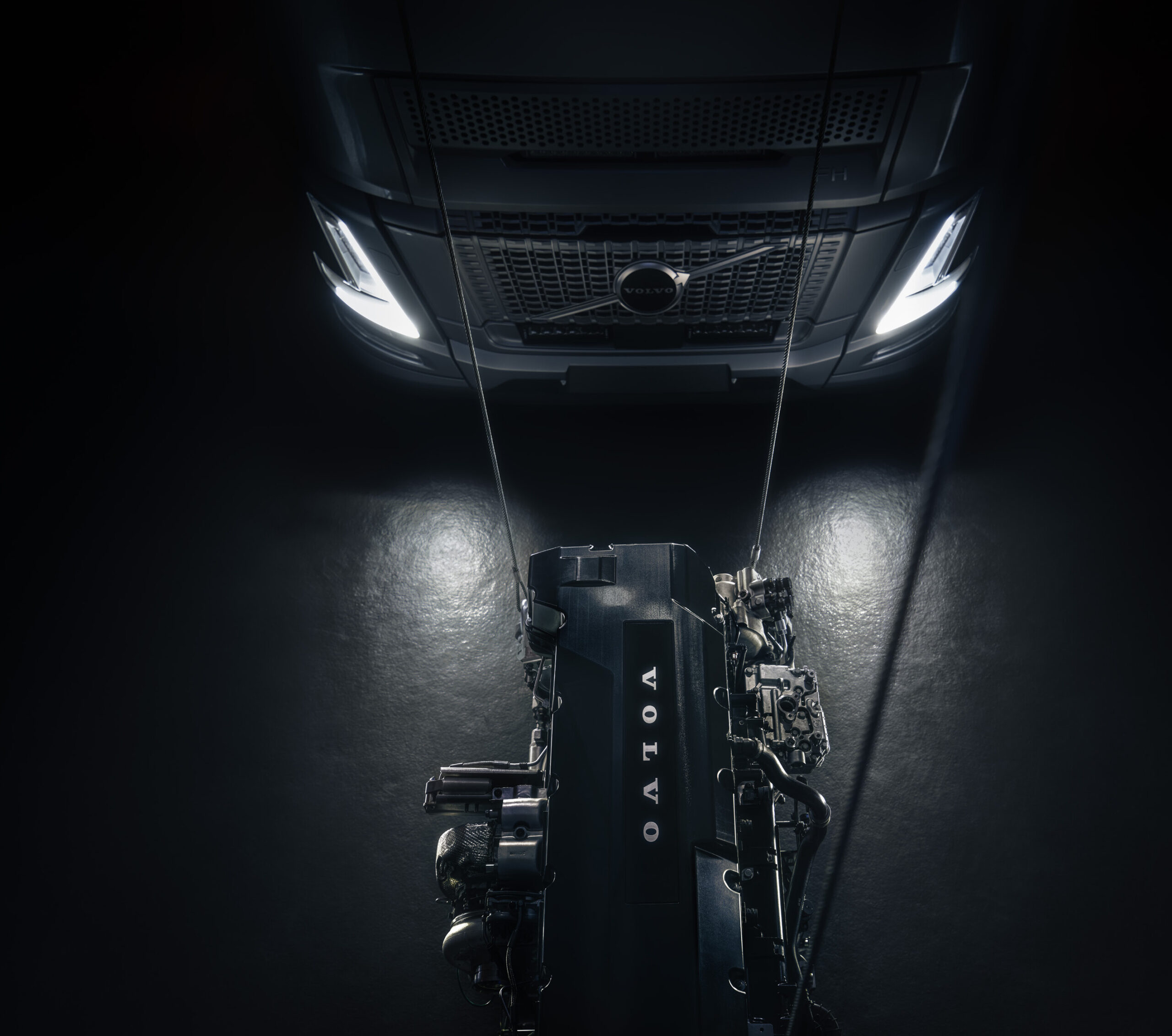
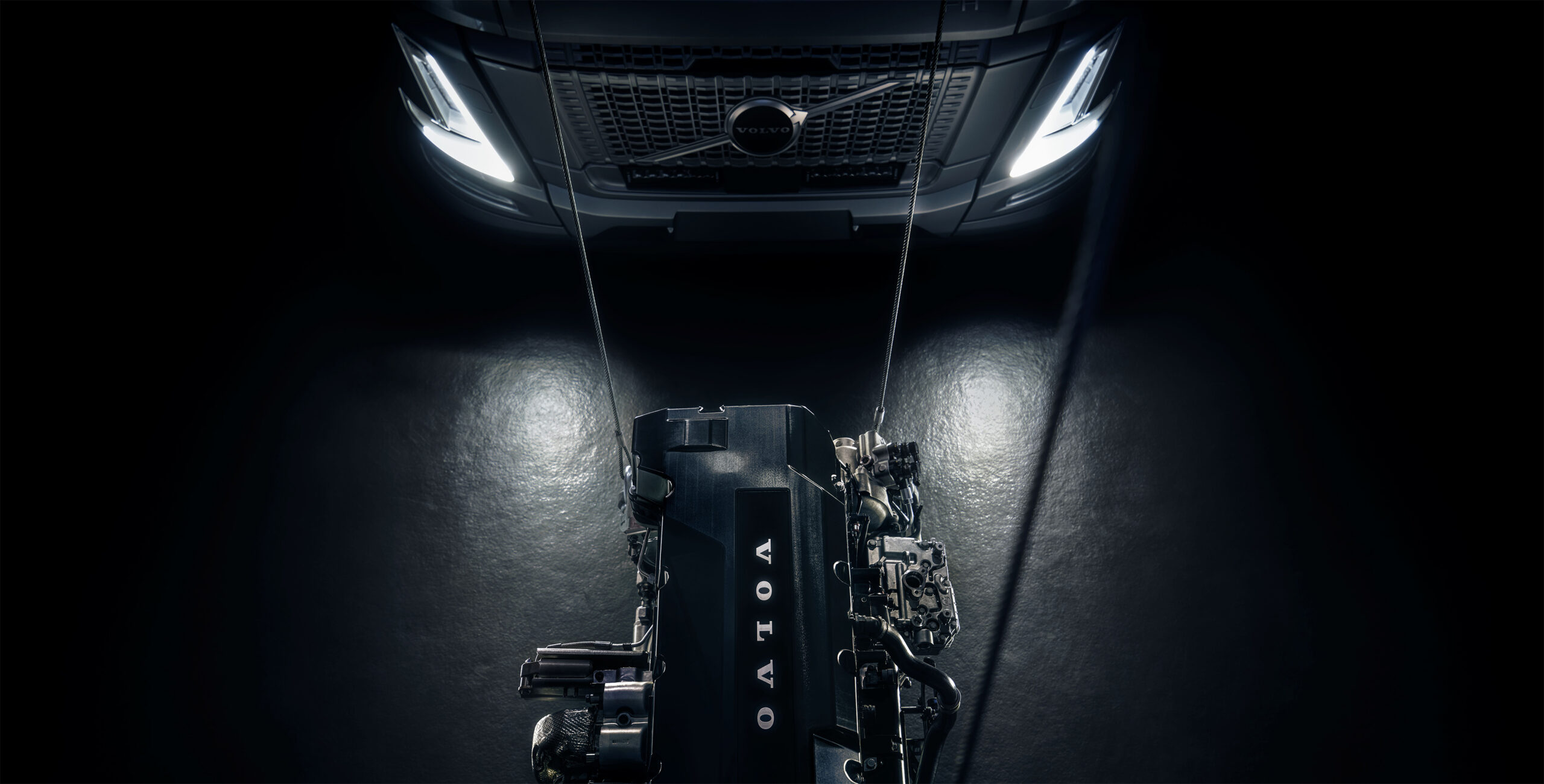
POWER AT PACE
Both internal combustion and electric power are moving forward fast at Volvo, as a recent event in Gothenburg demonstrated
01From issue 30Pages 12–13
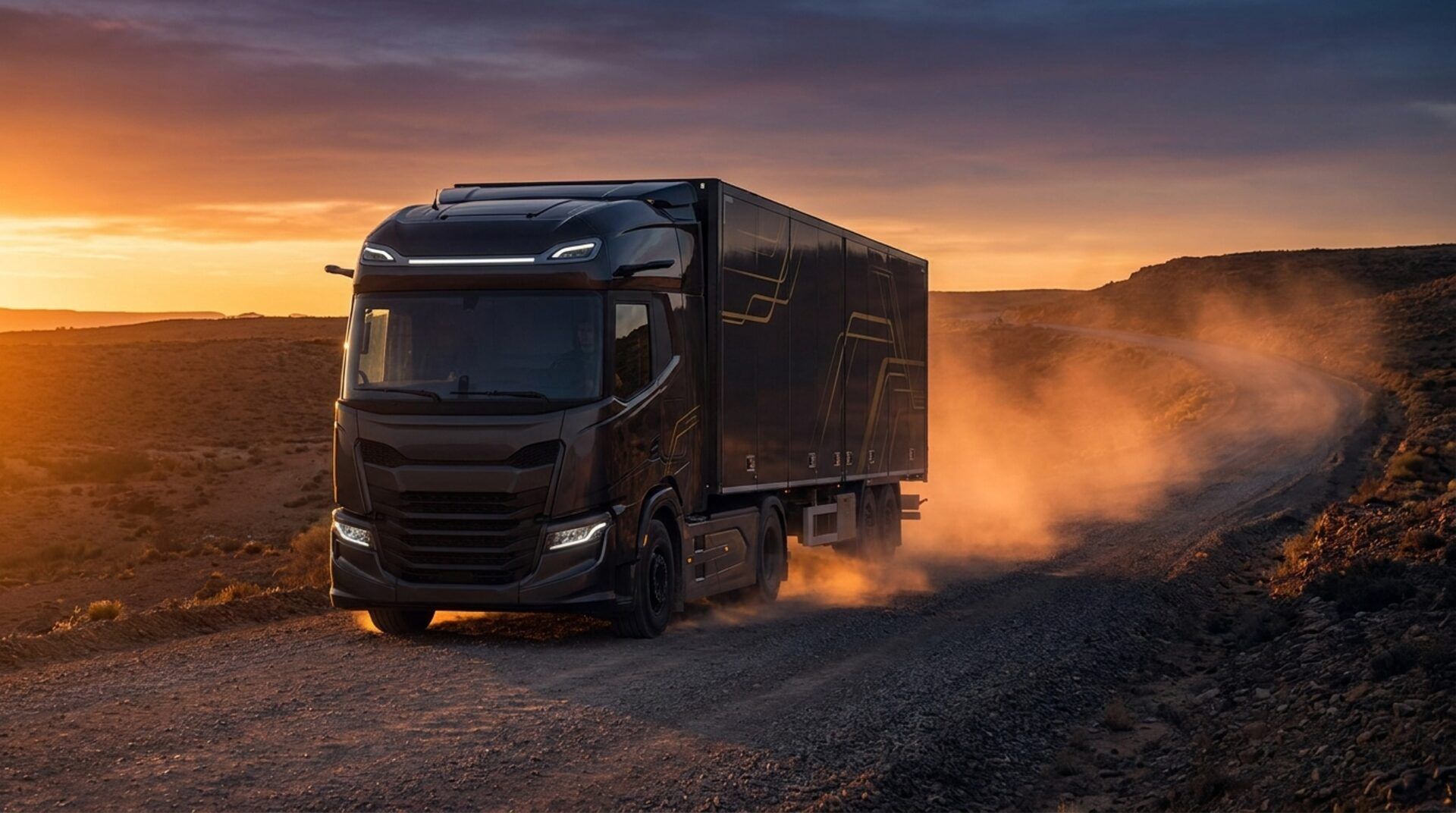
Volvo Trucks recently launched two all-new 13-litre engines, one diesel and the other gas-powered, and has promised to introduce a hydrogen-powered version of this design before 2030. At a launch event in Gothenburg, it also showcased its latest battery-electric vehicles (BEVs), offering greatly extended ranges and higher gross vehicle weights than previous BEVs. The truck maker also said that hydrogen fuel cell versions were undergoing testing and would be launched in 2030.
The new D13 engine replaces the current 13-litre Volvo unit fitted to the FH, FM and FMX models and the 11-litre engine in the FM and FMX ranges. While Volvo is investing heavily in battery-electric and hydrogen fuel cell drivelines, the introduction of the new diesel and gas-powered range shows that it believes internal combustion engines will remain at large for decades to come.
The outgoing D13, in single turbocharger and turbo-compound form, has earned a reputation for good fuel consumption, particularly when combined with the wind-cheating FH Aero cab range. The aerodynamic cab design, launched in early 2024, has proven a success in most markets with over 68,000 sold in just over two years.
Volvo claims the new 13-litre lump will give a 4% improvement in fuel consumption, on top of the 5% improvement the Aero cab produces over the existing FH cab, making it its most fuel-efficient engine ever. It is also ready to meet or exceed the forthcoming EU noise level requirements and Euro-7 emission limits.
The new engine follows the same basic layout as the old one, with a one-piece head and overhead camshaft, but with a stronger, lighter block, stronger head, and new fuel injection system, with the pressure pump driven via the rear timing gears. New second-generation wave-pattern pistons are fitted to the diesel versions, with dual waves in the crown giving an increased compression ratio and improved combustion. The new gas engines use the first-generation wave-pattern pistons for the first time, giving improved gas consumption.
A new variable geometry turbocharger replaces previous the fixed geometry and turbo-compound designs, giving better response at low revs and greater efficiency. In engine output terms, this gives each version of the new engine an additional 300Nm of torque, developed from as low as 900rpm and maintained until around 1,300rpm. This applies to diesel and gas-powered models and the new turbocharger, combined with adjustable vanes in the inlet manifold, increases the engine braking power across the rev range to a peak of 470kW.
The diesel engine is offered in five maximum power ratings: 380hp, 420hp, 460hp, 500hp and 560hp; providing 1,800Nm, 2,400Nm, 2,600Nm, 2,800Nm and 2,900Nm of torque respectively. The gas engine, meanwhile is available in three power ratings: 420hp, 460hp and 500hp; with 2,400Nm, 2,600Nm and 2,800Nm respectively.
Volvo was able to equip its G13 LNG gas engines with the effective new VEB engine brake because they utilise a small amount of diesel to initiate gas combustion when starting the engine.
The high torque outputs of the diesel and gas engines are quite an achievement and will allow versions to cope with high overall gearing, aiding economy. The new top-power 560hp rating with 2,900Nm of torque sets a new benchmark in the 13-litre engine class and is getting close to the ratings of several 16-litre-plus engines. Diesel versions can run on both hydrotreated vegetable oil (HVO) and biodiesel.

Sign in to keep reading, free
Sign in for 3 free features a week, mixed across all three magazines. Already a subscriber, or want this issue on its own? Those work too.
You might be interested
All features →Ed Weetman Haulage
Ed Weetman has been a fixture in the animal feed transport sector for nearly…
Read the featureFreeburn Transport
In a departure from conventional thinking, Northern Irish truck operator Freeburn Transport has recently…
Read the featureVan Hool Industrial Vehicles
Tanker manufacturer Van Hool has been rejuvenated after a change of ownership, with an…
Read the featureDay Group
Bob Beech casts his eye over the extensive fleet of rigid, articulated and drawbar…
Read the feature