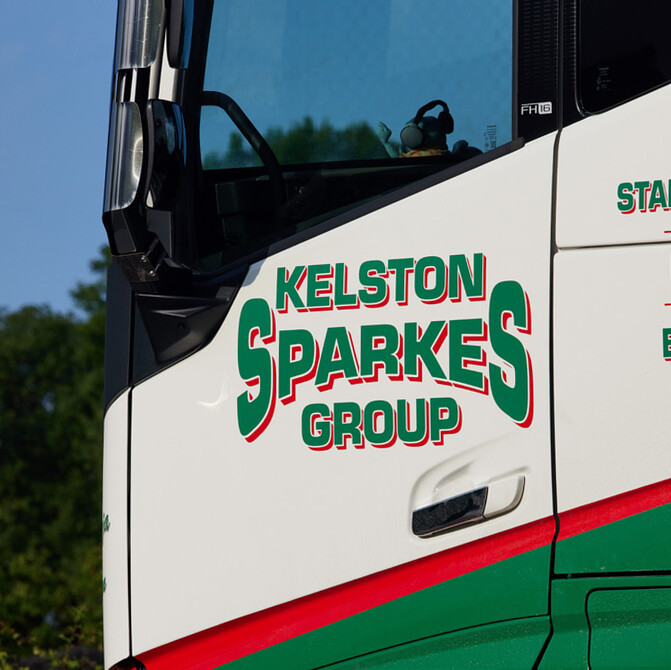
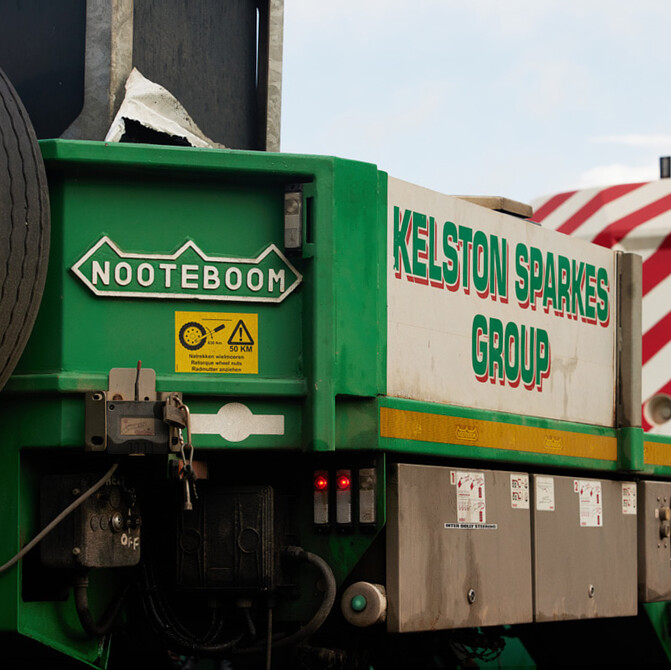
ManufacturerHeavyTorque 44Pages 70–83
A TIMELY CHANGE
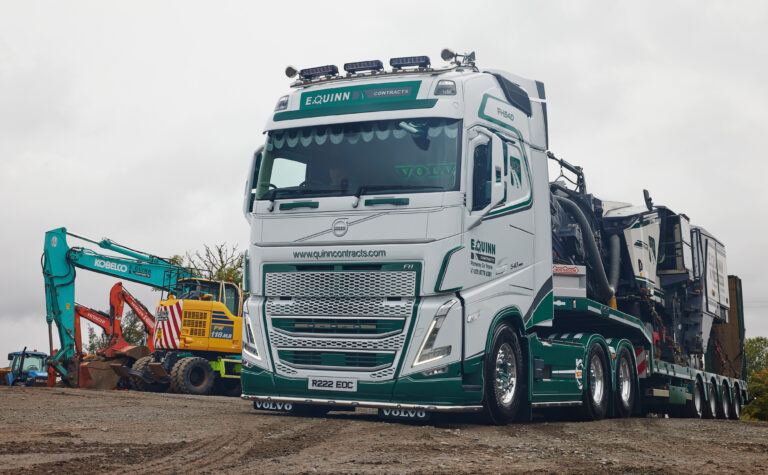
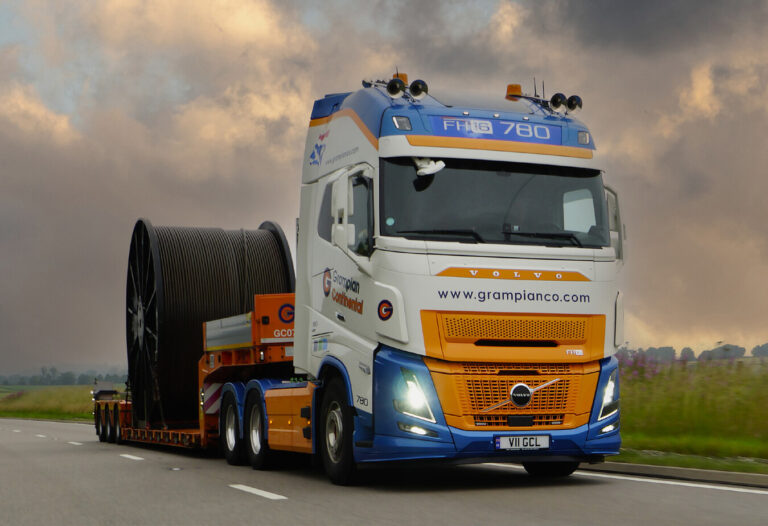
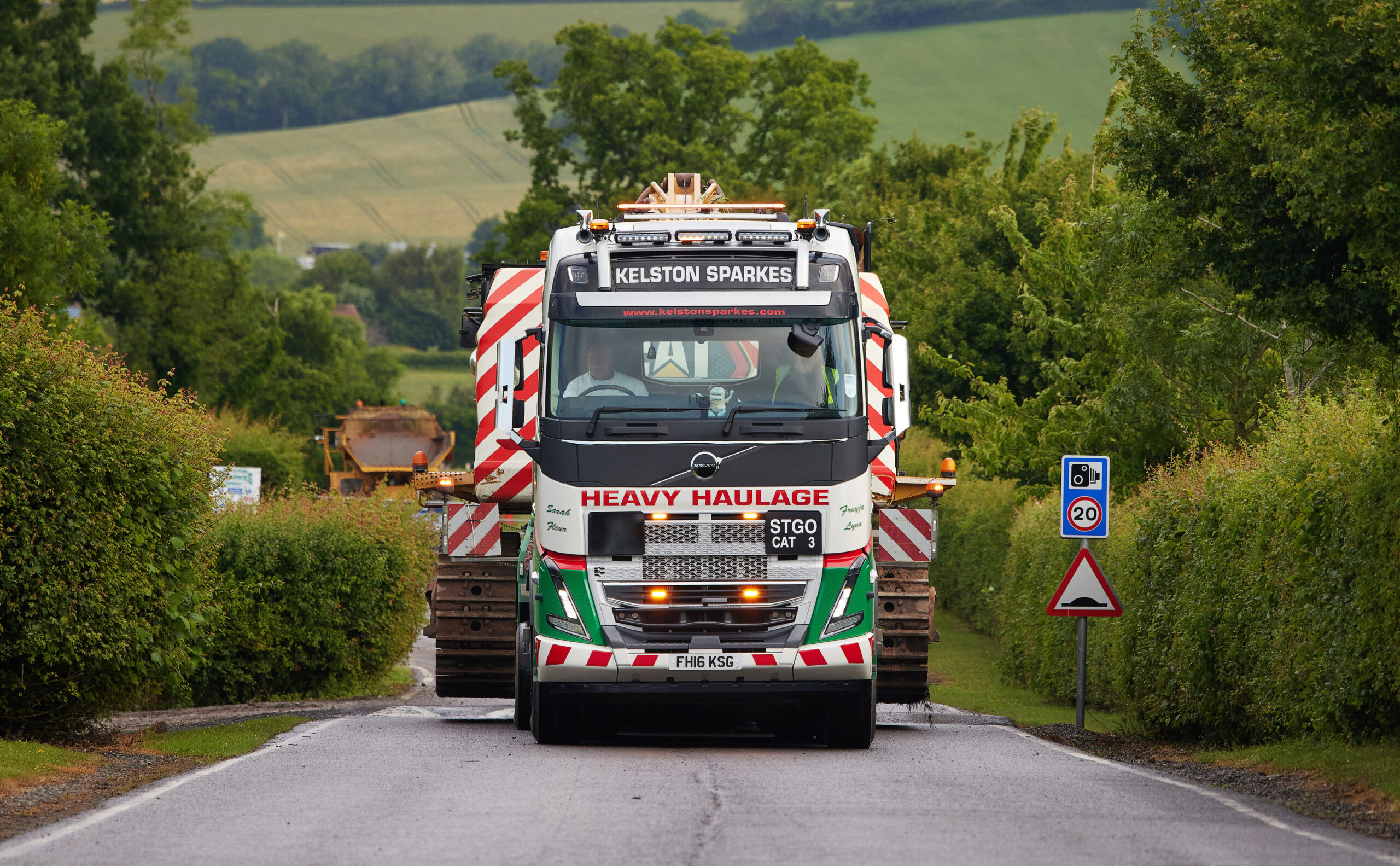
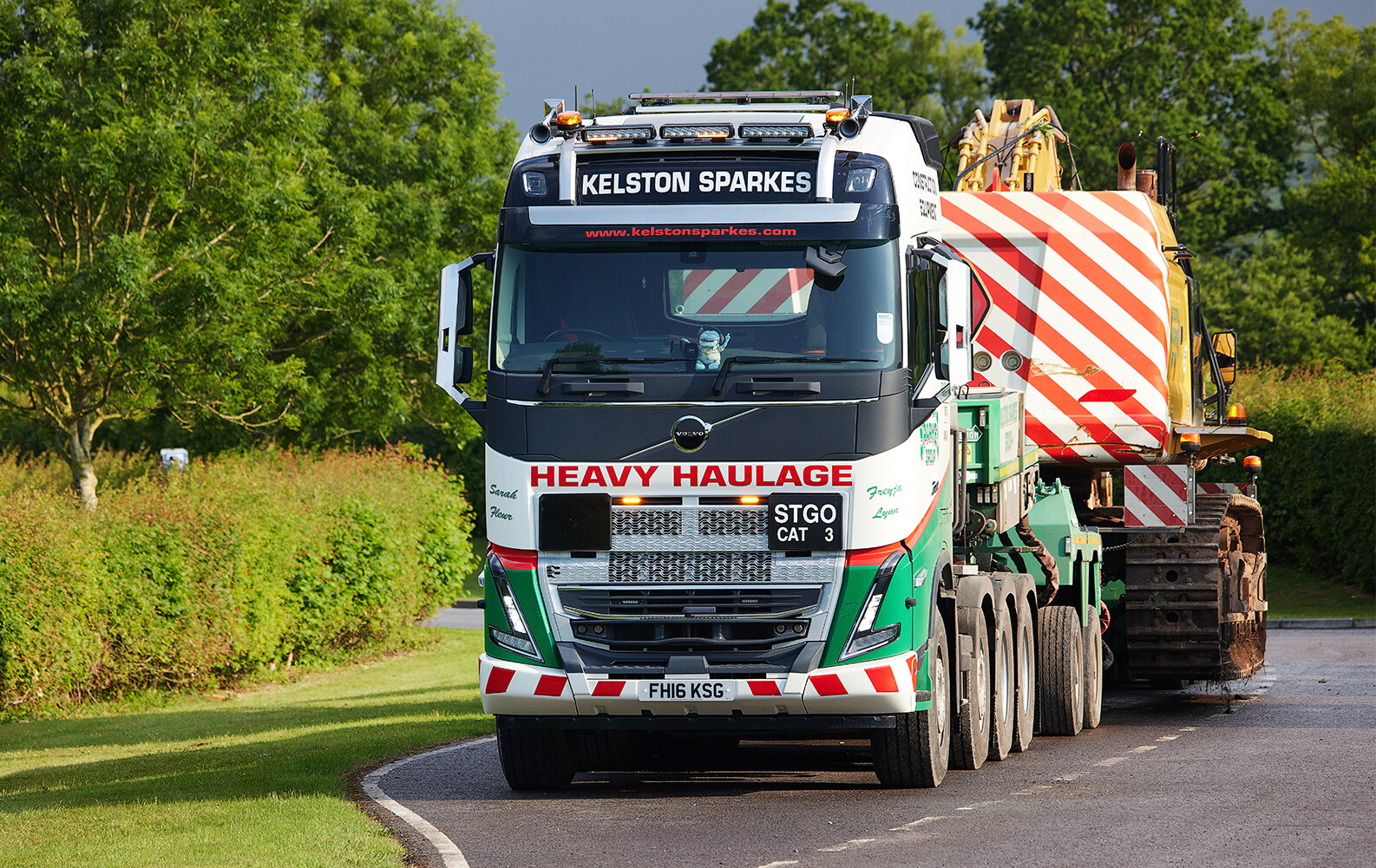
Bob Beech traces the history of Volvo's heavy haulage offerings in the UK over the years and the development of its automated i-shift for this sector, from its earliest days up to its latest incarnation in the new FH16 780
Words Bob BeechPhotography Tom Cunningham
HeavyTorque 44Pages 70–71
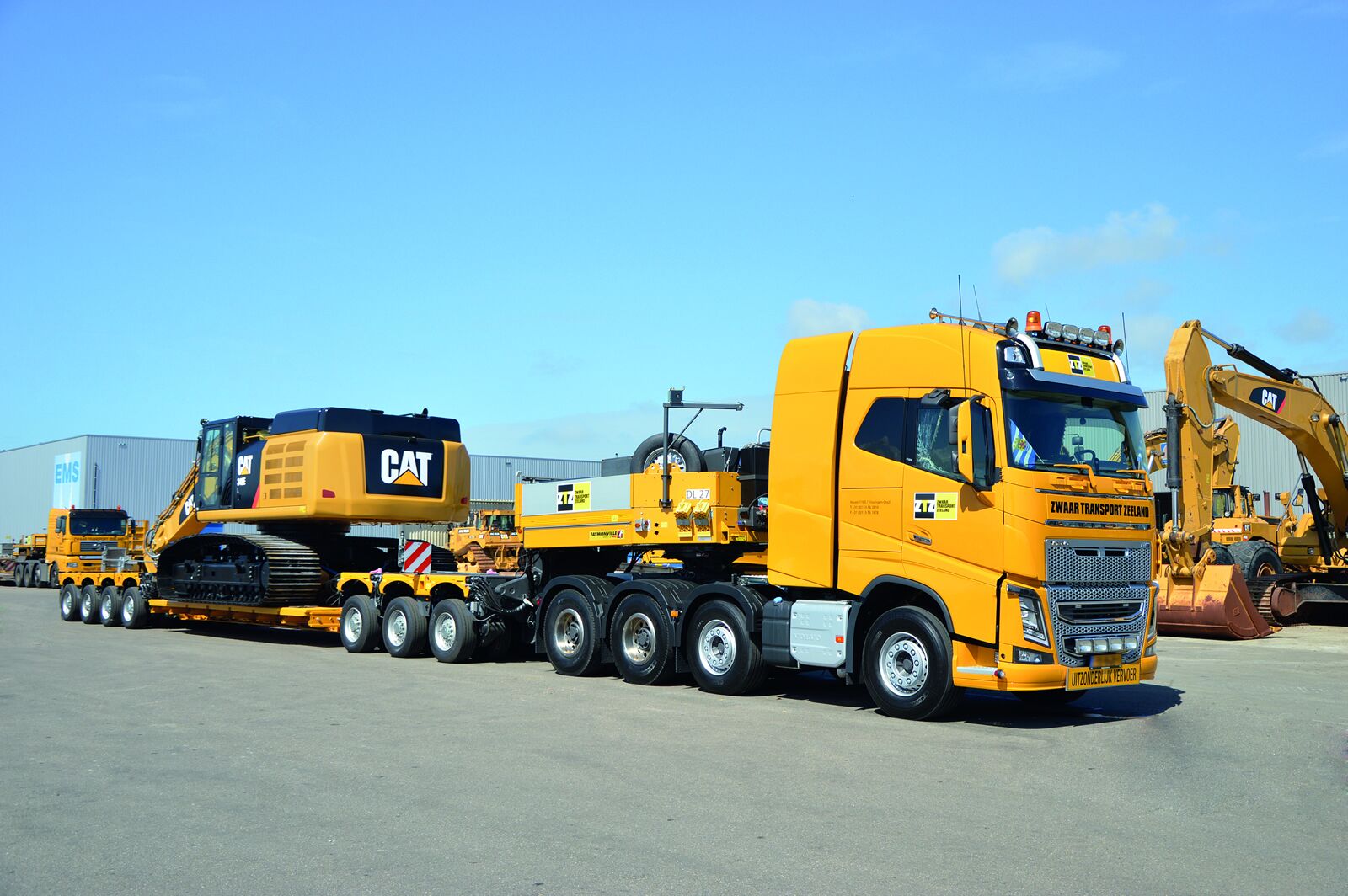
Volvo has been in the UK's heavy haulage market for six decades now, first coming to the attention of British operators in the late 1960s.
Initially, its diminutive F86 was of limited appeal for heavy work, but some operators used them with lowloaders. A few months later, it launched the F88 with its tall, well equipped sleeper cab and a design gross weight of 48 tons as a 4x2 tractor, which could be increased to 70 tons with a hub reduction drive axle. It was available in 4x2 and 6x2 form with a hydraulically lifting tag axle.
A year or two later, a 6x4 version was introduced, with tandem hub reduction drive axles and heavy-duty two-spring steel suspension. A factory rating of 100/110 tons with the lower ratio axles heralded a new dimension to heavy haulage in the UK. Despite its capacity of just 9.6 litres, the TD100A engine used a turbocharger to produce 235/240hp, which was quite a bit of power for that era.
Many drivers were used to bigger capacity naturally aspirated engines in British trucks that often produced under 200hp. The Volvo needed to be worked to perform, but the 8-speed synchromesh range-change gearbox made this easy enough, and the F88 was a pleasure to drive, with a comfortable cab, low noise levels, light power steering and a good field of vision.
Sign in to keep reading, free
Sign in for 3 free features a week, mixed across all three magazines. Already a subscriber, or want this issue on its own? Those work too.