

European RamblingsHeavyTorque 43Pages 120–121
REMEMBERINGRUDOLF DIESEL
We're all familiar with the name of the inventor of the ubiquitous diesel engine. But how much do you really know about his life? Patrick Versteeg has been doing some research...
Words Patrick Versteeg
HeavyTorque 43Pages 120–121
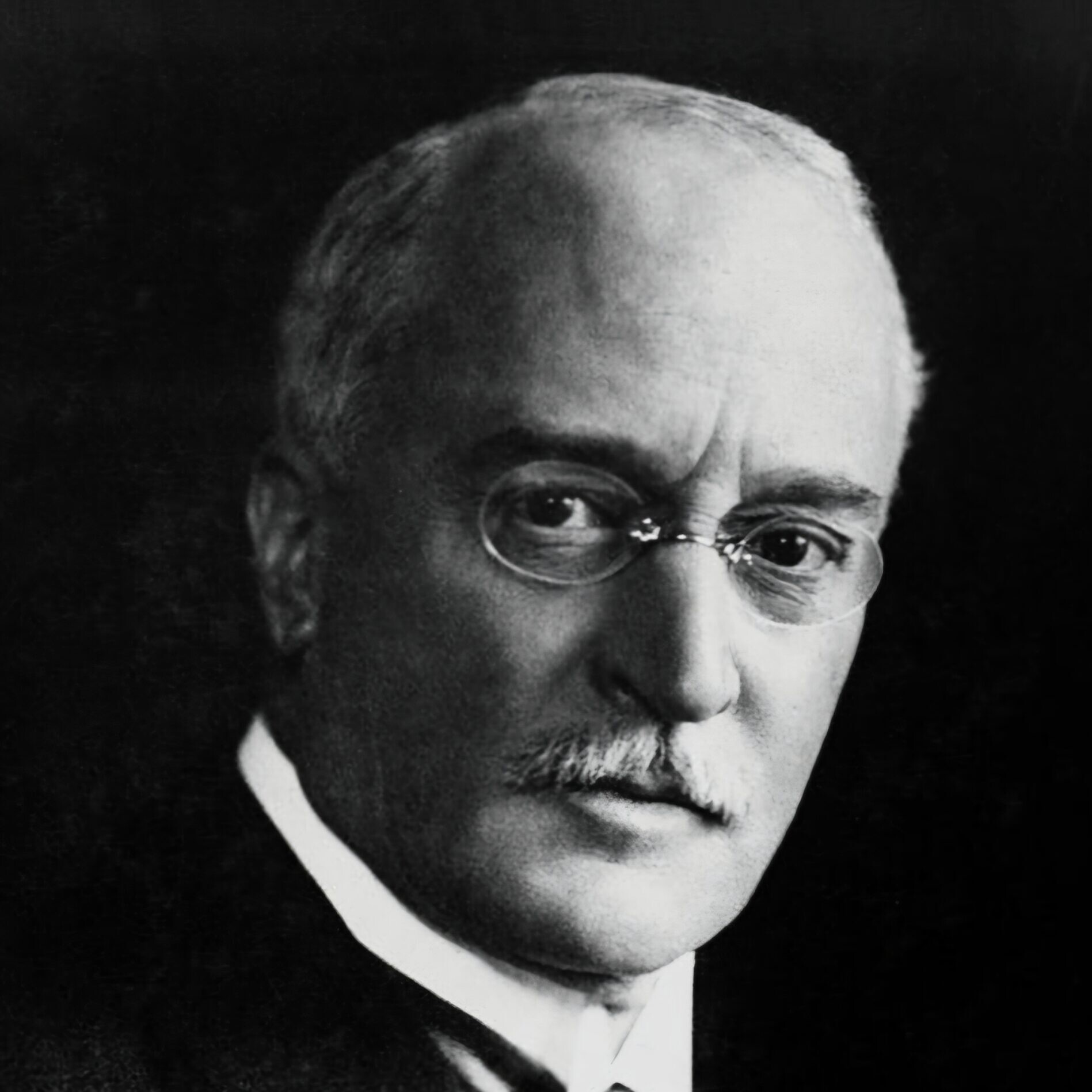
I recently read The Mysterious Case of Rudolf Diesel, a book by Douglas Brunt. I can recommend it. There's much more to Rudolf’s story than I thought. The book reads nearly like a whodunnit.
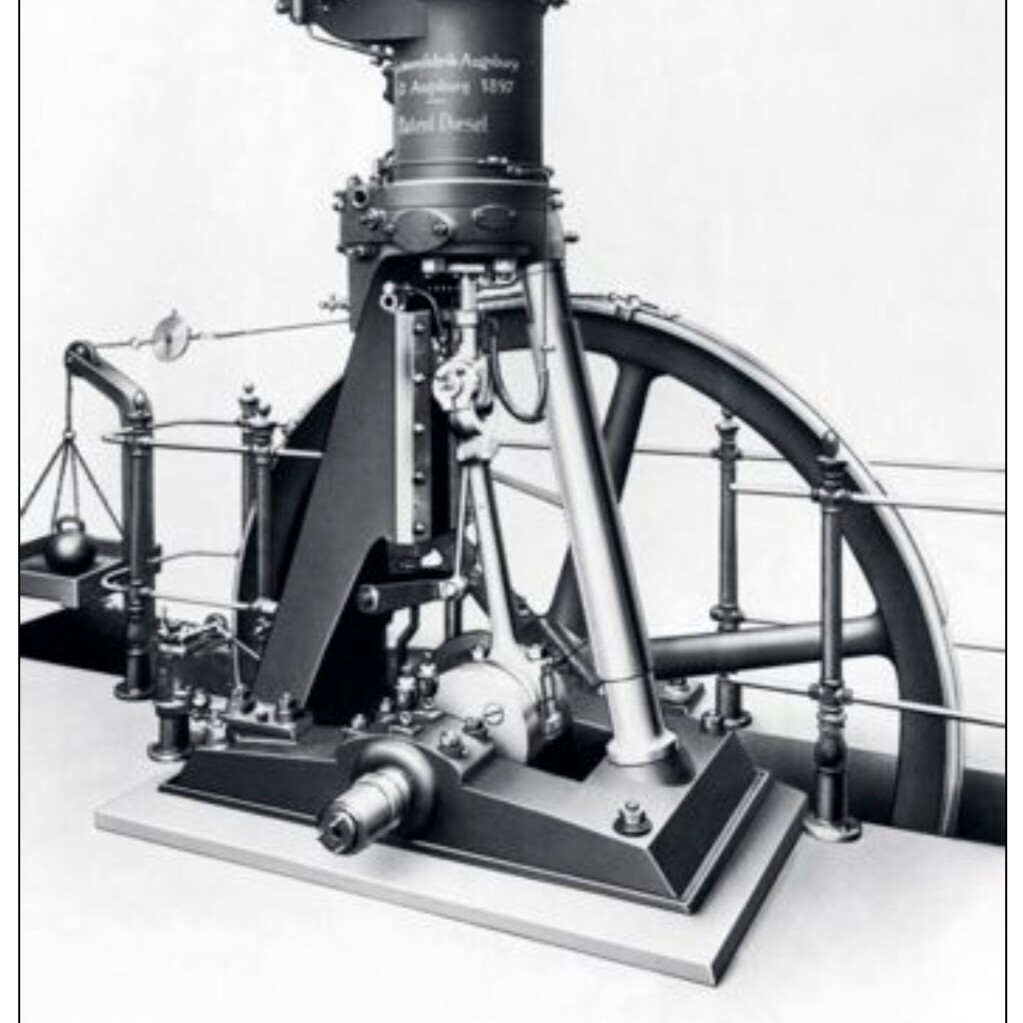
The diesel engine, of course, has had a lot of bad publicity in recent years, but rather than getting mixed up in the heated debate about the pros and cons of diesel technology, I thought I'd look into the history and development of the diesel engine and learn more about the inventor behind it. And I certainly learned a lot from this book.
I previously knew only that Rudolf Diesel had invented the diesel engine and that the fuel used in it bore the same name. That always struck me as a bit odd, since we typically call the petrol engine just that, rather than referring to it as the Otto engine after its inventor, Nicolaus Otto. Despite his German-sounding name, Rudolf was born on 18 March 1858 in Paris. From a young age, he was a regular visitor to the Conservatoire National des Arts et Métiers, the oldest technical museum in Paris. And his inspiration to design an engine years later must have been the sight of the first automobile, the steam-powered car made by Nicholas-Joseph Cugnot.
In 1870, the family fled to England due to the outbreak of the Franco-German War. Young Rudolf didn't like living in London; housing was poor, the conditions for factory labourers were bad, and the air was thick with smog from the coal-powered machines used in the factories. But eventually, he saw a chance to get into the British Museum and the South Kensington Museum, where there were exhibits about engines that he could sketch and study.
Rudolf only stayed for three months in England, but the impression was enough to last for the rest of his life.
Because the prospects were better for Rudolf, he was sent to Augsburg to stay with his family. Being a keen student, he excelled at school, and at the Technische Hochschule in Munich, he became the best student in their history.
One of the things that Rudolf was keen on addressing was engine inefficiency. He saw a challenge in finding a way for an engine to be useful without having to build up steam, to improve efficiency and deliver more power than the Otto engine.
Sign in to keep reading, free
Sign in for 3 free features a week, mixed across all three magazines. Already a subscriber, or want this issue on its own? Those work too.
Also in issue 43
The whole issue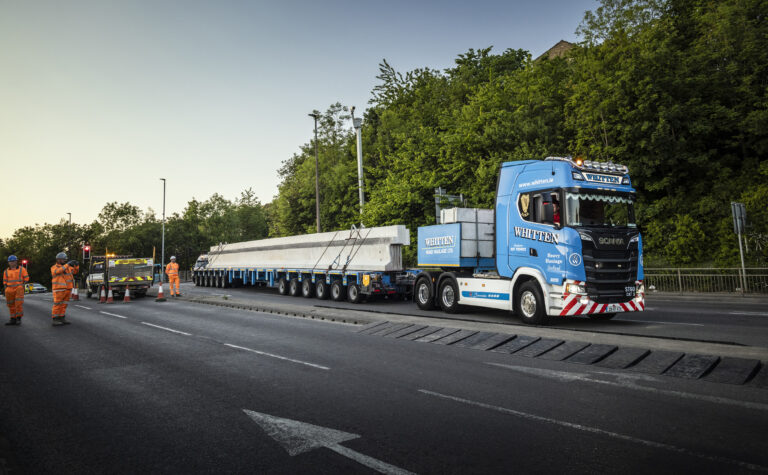 Operator
Whitten Road Haulage
 Legislation
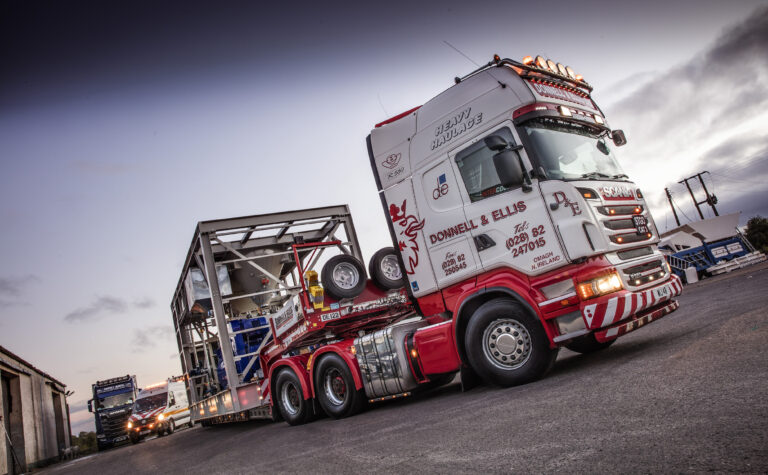
National Police Chiefs Council guidelines
 Operator
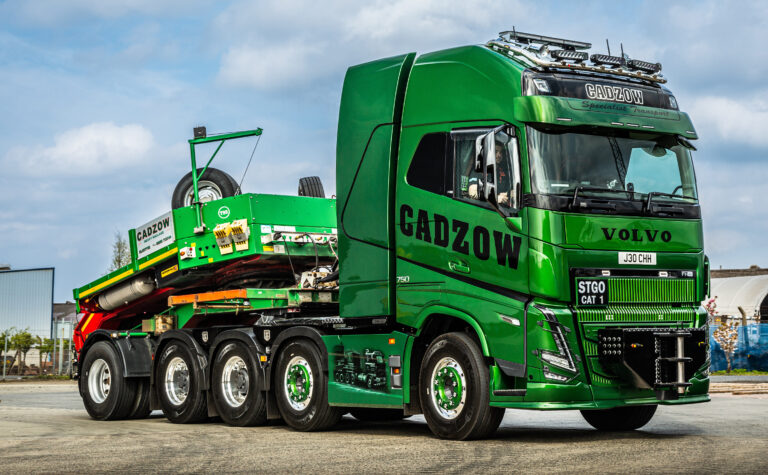
Cadzow Heavy Haulage
 Operator
RL Taylor
 Operator
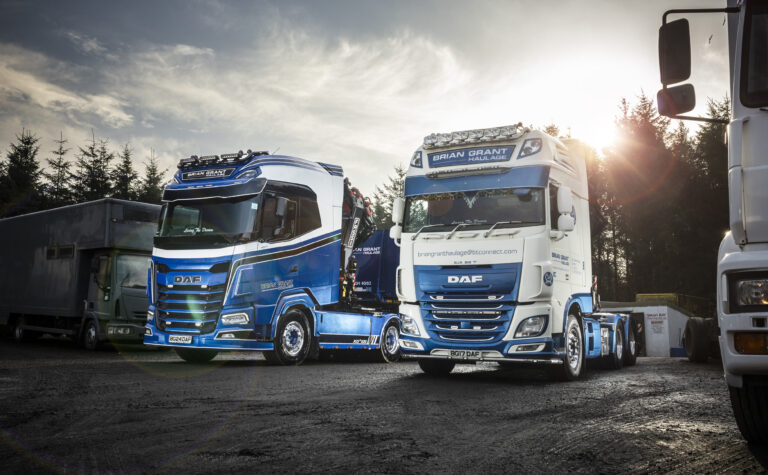
Brian Grant Haulage
 News Spotlight
TII Scheuerle | Spedition Kubler
 News Spotlight
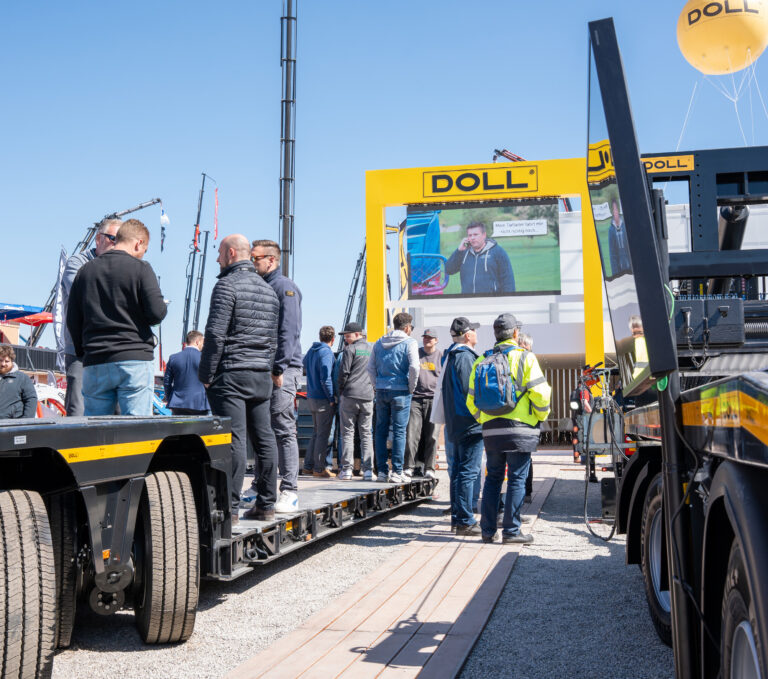
Doll Trailers | Bauma 2025
 News Spotlight
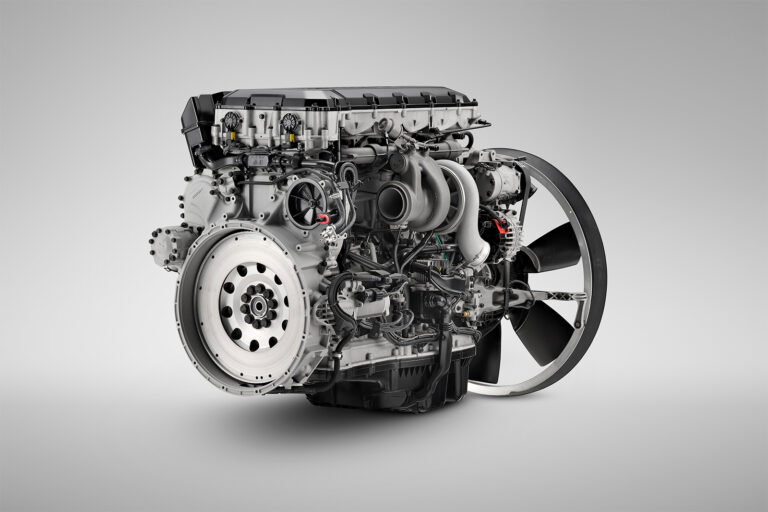
Scania | Super Engine
 ALLMI Corner
 Competition
Capture of the Quarter