Ride and DriveBulk & Tipper 31Pages 72–79
THE POWER OF FIVE
Bob Beech finds out how Scania’s new five-cylinder, 10.6-litre, super-powered 430P XT tipper stacks up on Mendip muckaway work over five demanding days, and how it measures up on payload, performance and economy
Words Bob BeechPhotography Tom Cunningham
Bulk & Tipper 31Pages 72–73
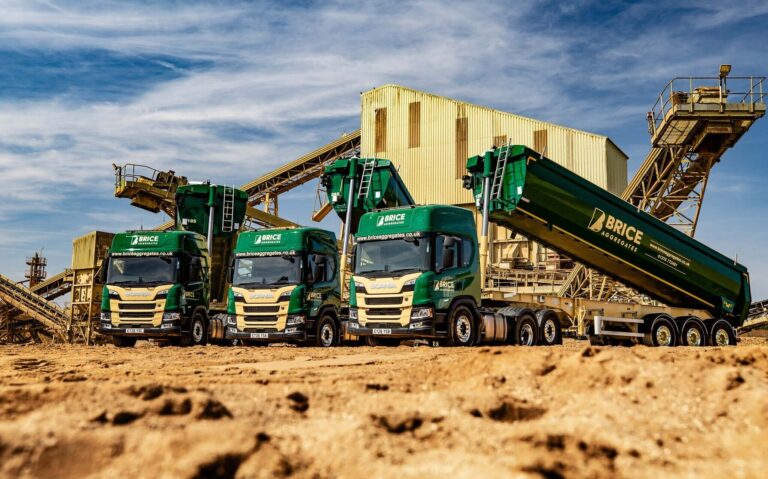
Scania has been a fixture in the UK tipper market for more than fifty years, first with 6x2 and 6x4 rigids before the first 8x4s arrived in the early 1980s with the Two Series. A loyal following grew in certain sectors, although the original four-spring rear bogie was complex and limited in articulation. The step-change came with a more robust two-spring design, trialled in small numbers on late Two Series and then adopted widely on Three Series P93 and P113 models. Straight beam front axles broadened appeal and, as muckaway operators tried Scania for the first time, the mix of performance, reliability, dealer back-up and driver appeal pushed sales on.
The Four Series of the mid-90s built on that success. Extended warranties and inclusive service packages folded into the purchase price helped operators look past the bottom-line quote, and market share in three and four-axle rigids rose sharply. A steadily expanding dealer network meant few tippers were far from Scania support. The next P, G and R ranges carried the theme on. Scania’s modular philosophy made it straightforward to uprate engines or cab specification while retaining core components, and a high level of parts commonality across generations suited operators with in-house workshops.
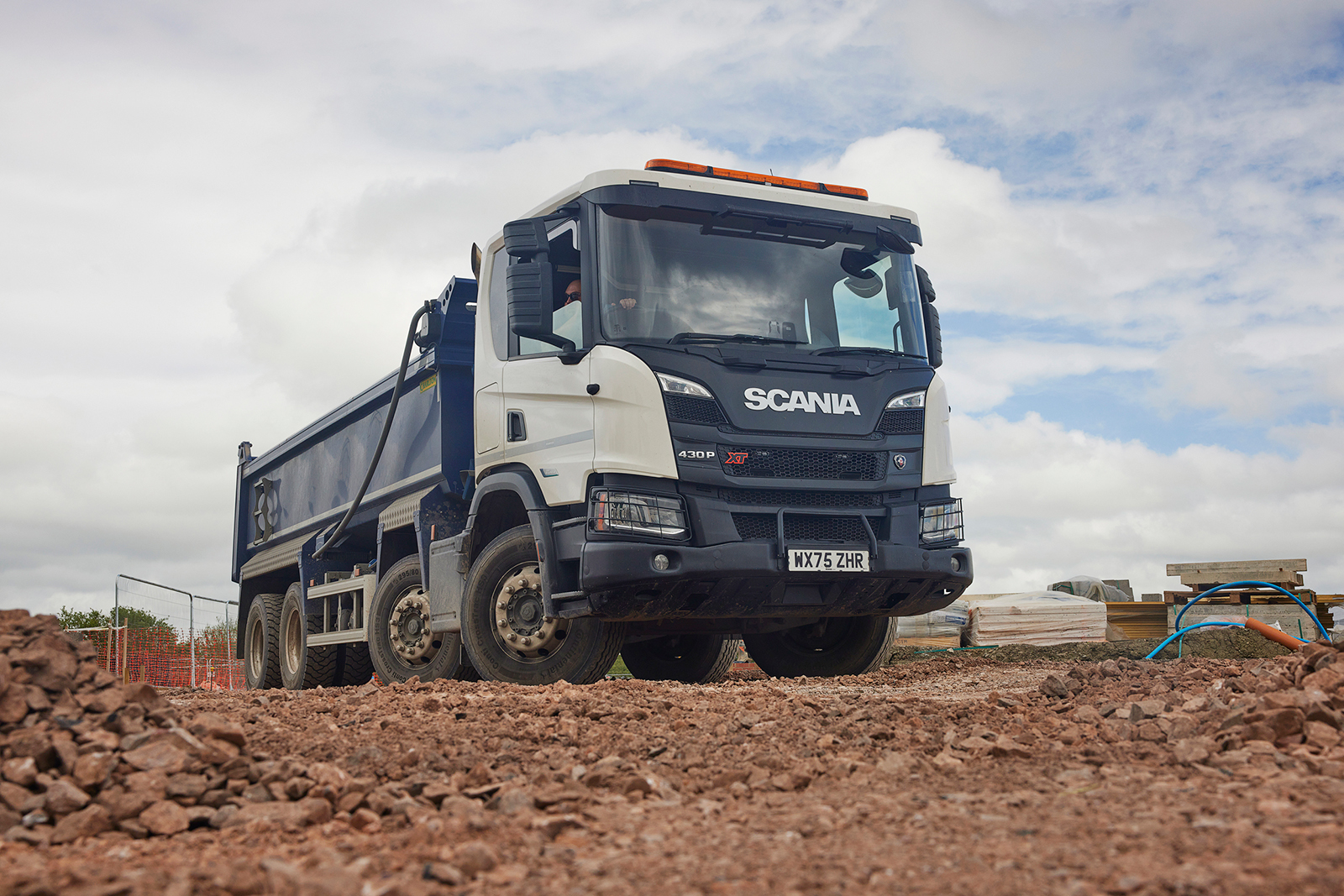
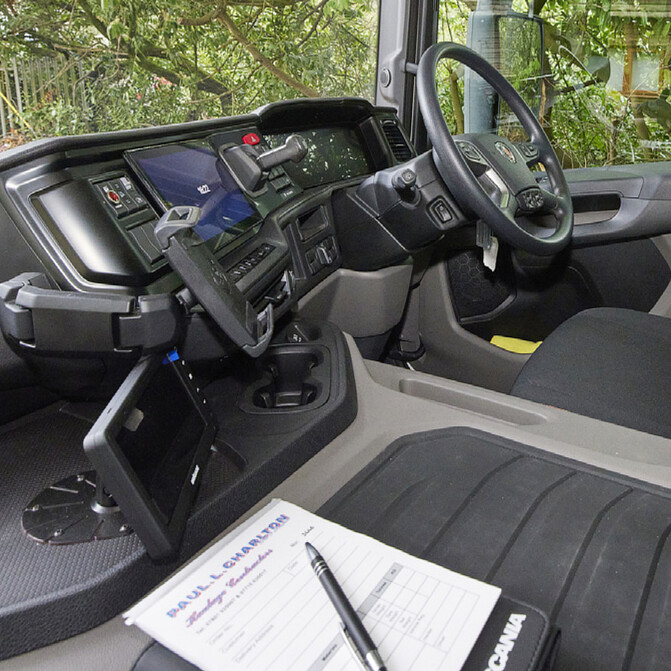
The latest range is wider still yet more modular than ever, with more cab, engine and driveline options. We recently spent extended time in an 8x4 430P XT tipper powered by Scania’s newest five-cylinder Super, the 10.6-litre DC11. This in-line five shares the core architecture of the established 13-litre Super, but debuts additional features that, we understand, will migrate to the six-cylinder in due course.
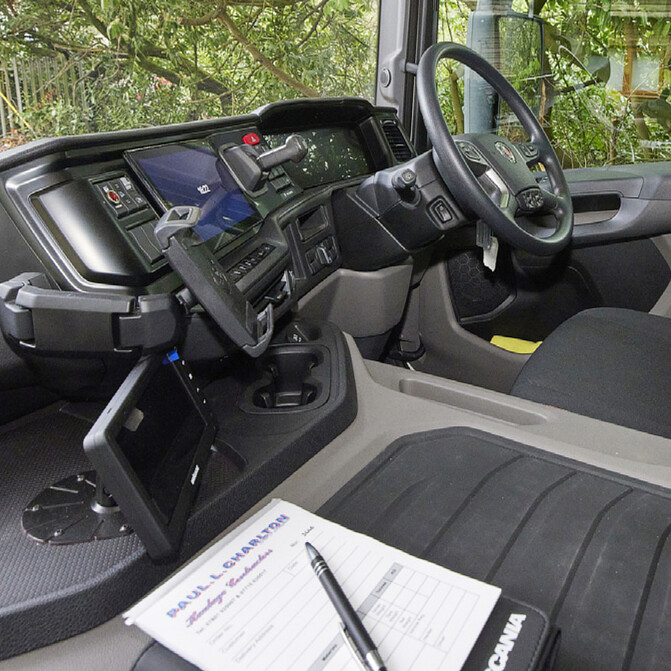
Our truck was a dealer demonstrator with 15,000km under its belt from operator loans in the West Country. It carried a lightweight Charlton steel body to suit a broad spread of tipper work. We put it to work with an operator in the Mendip region, home to big quarries and aggregates sites and, consequently, plenty of tipper fleets. Paul L Charlton runs a predominantly Scania fleet, specified to a high level, superbly presented and fastidiously maintained. They look for ten years or more of front-line service from each vehicle.
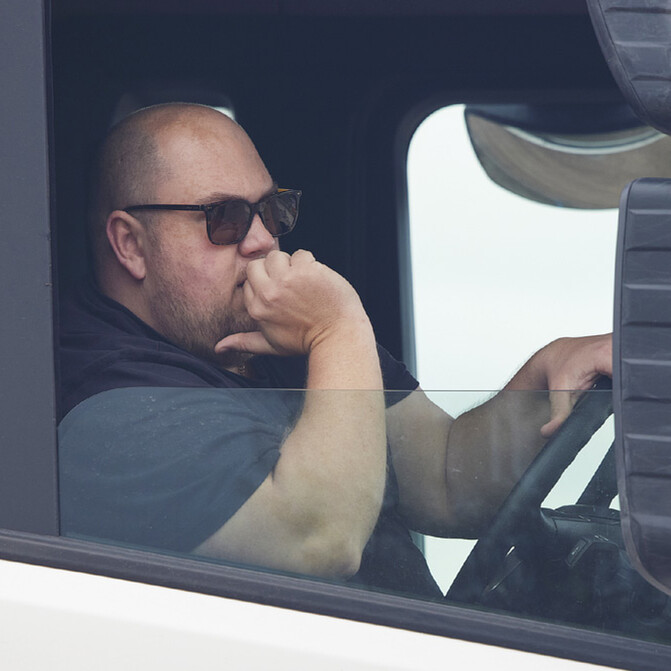
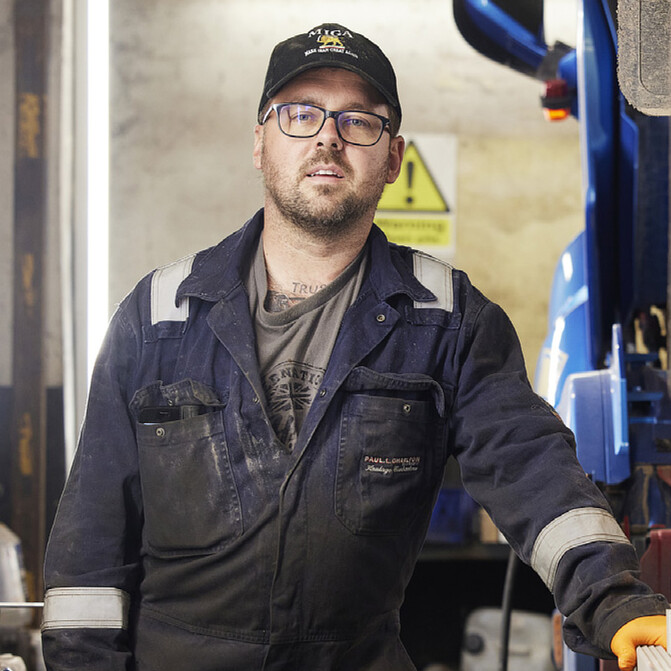
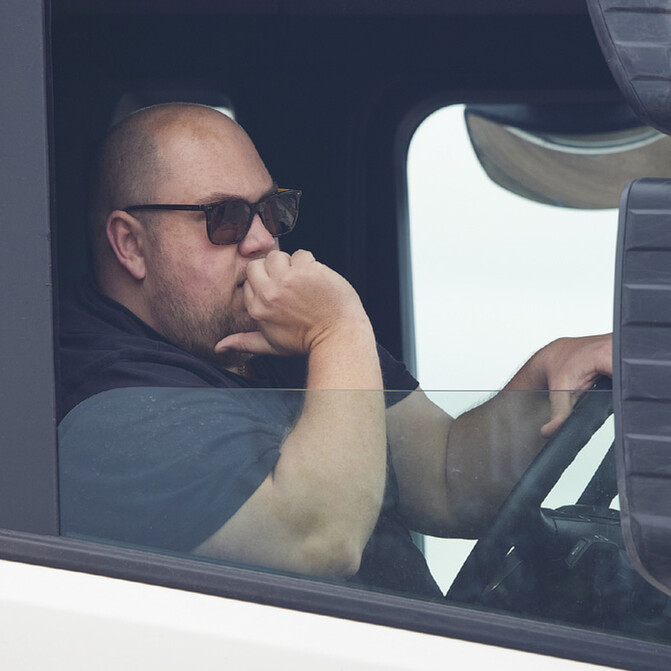
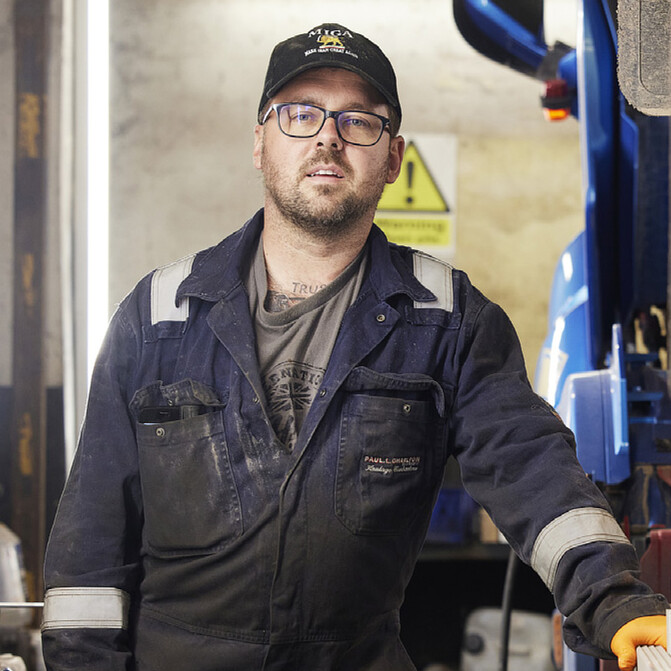
Over the week it delivered stone, lime and other materials around towns and villages, along dual carriageways, A-and B-roads and countless lanes. It went into quarries, construction sites and a couple of farm fields. We took a turn at the wheel, though most of the driving fell to Alex Noad (inset, top). Our thanks go to Alex, Jake Charlton (inset, bottom) and the team for their support.
Five-cylinder engines are rare in heavy trucks. Readers with long memories will recall the long-gone British maker Gardner’s five-cylinder, and more recently MAN’s 10-litre five-pot used in F90/2000 tractors and eight-wheelers in the late 80s and 90s. Today, Scania is the only mainstream truck maker offering an in-line five. Its existing 9-litre five was launched in 2004 and sees service in two- and three-axle rigids and lighter tractors, with some examples in eight-wheel chassis too.
Announced last year, the 11-litre Super has a true 10.6-litre capacity. Unlike the 9-litre five, it has a one-piece head, twin overhead camshafts and Scania’s XPI high-pressure injection, as per the 13-litre Super. To counter the inherent imbalance of a five, two contra-rotating balancer shafts sit low in the block to smooth harmonics, a proven approach also used on the 9-litre.
Sign in to keep reading, free
Sign in for 3 free features a week, mixed across all three magazines. Already a subscriber, or want this issue on its own? Those work too.