Operator
Loch Shiel Garage
In a place where long miles, ageing ferries and harsh winters test every call-out,…
Read the feature Subscribe
 Issue #18 · January 2026
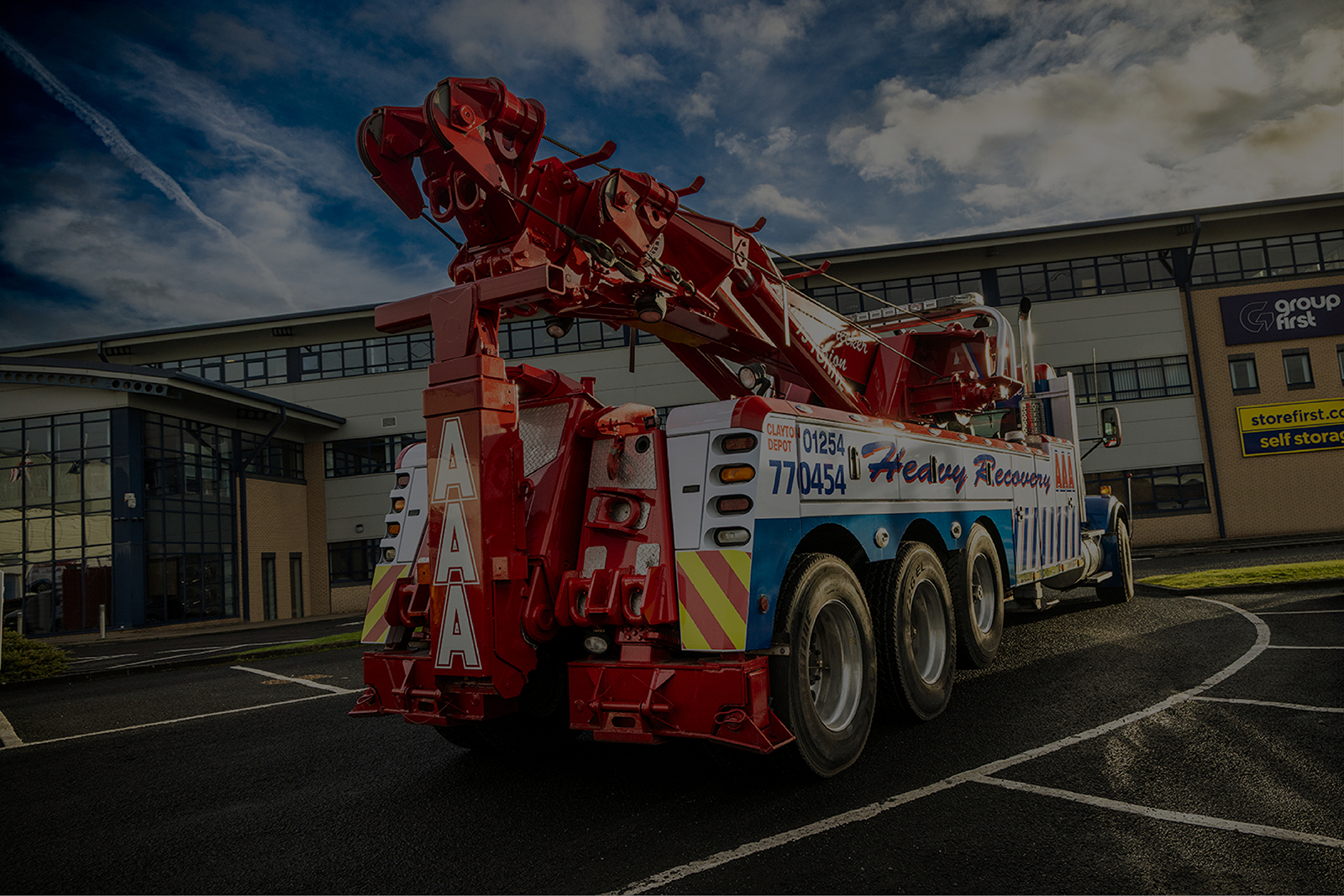
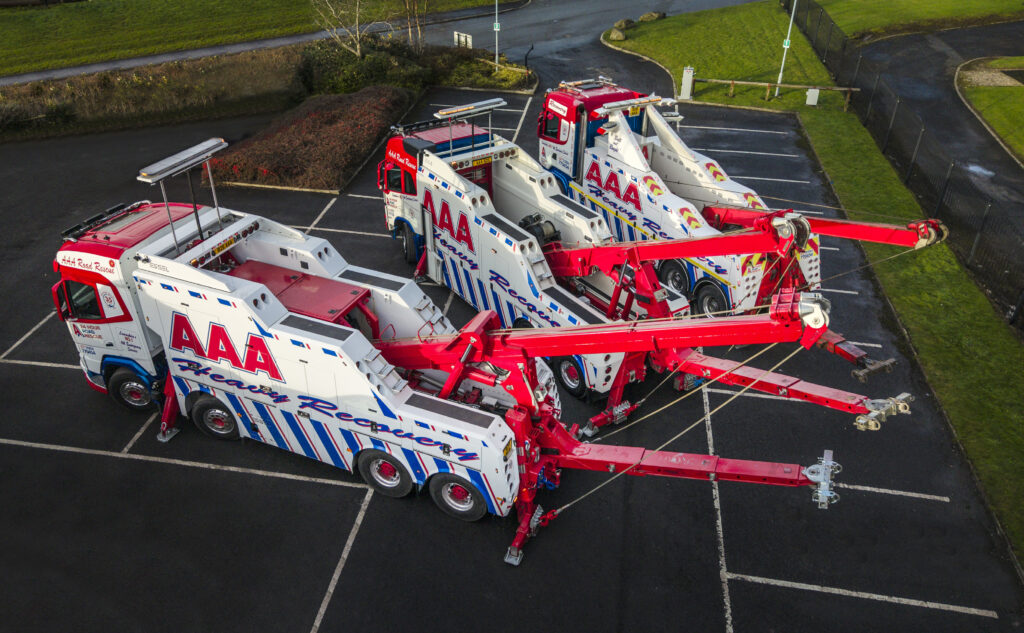
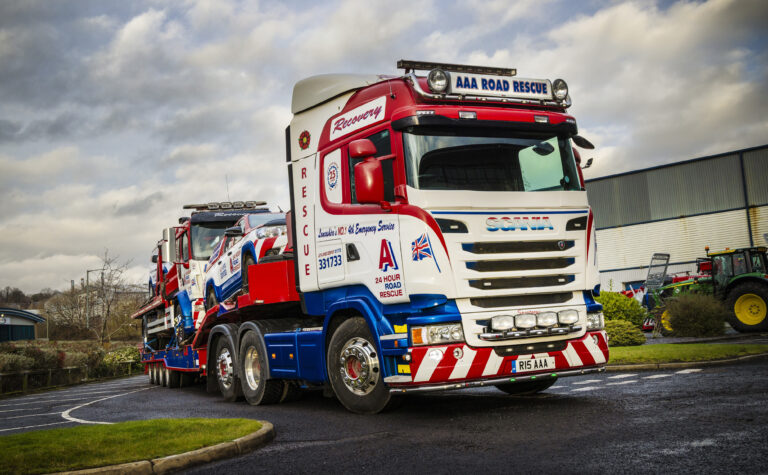
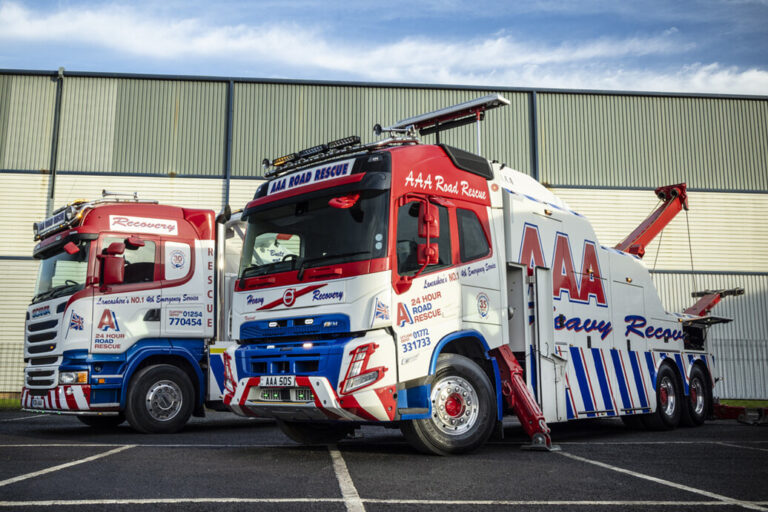
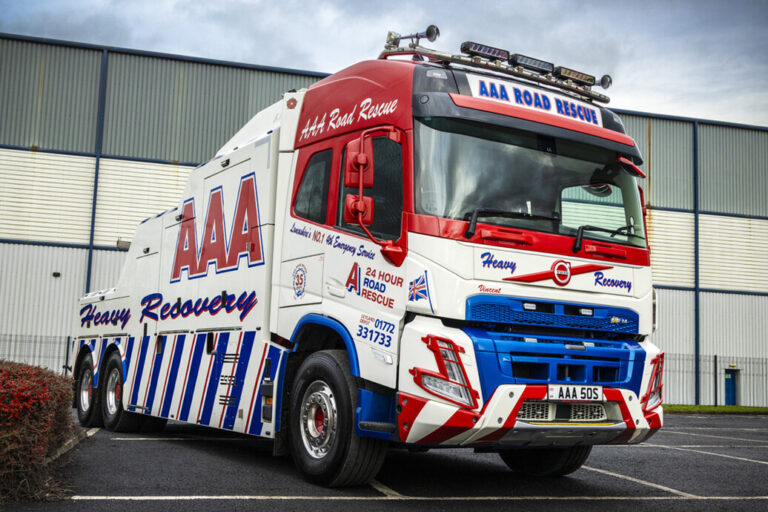
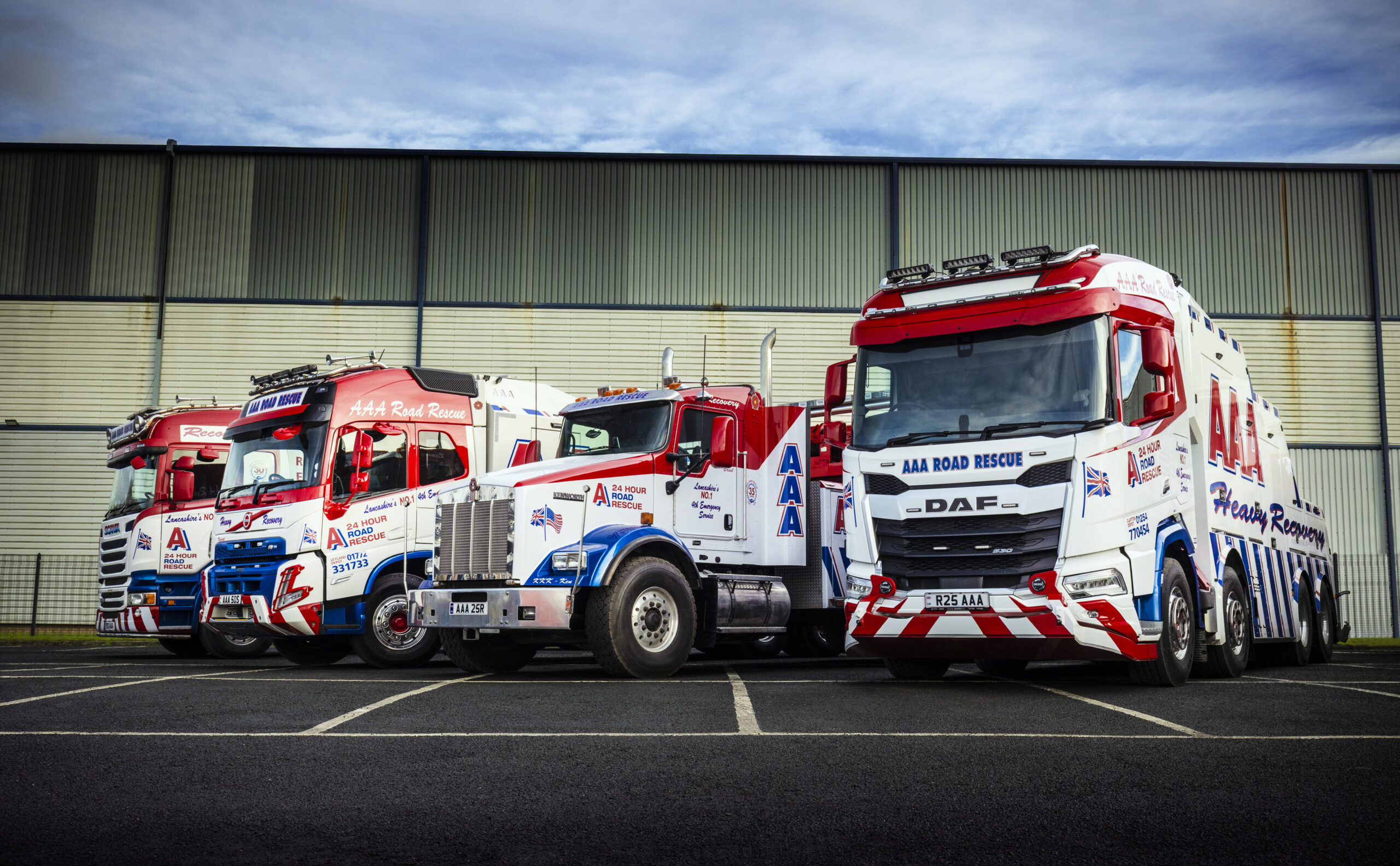
AAA Road Rescue scores highly for its old-fashioned values and impressive fleet, which includes a number of slide-beds fitted with sister company EV Cool Tubs’ electric vehicle fire containment system
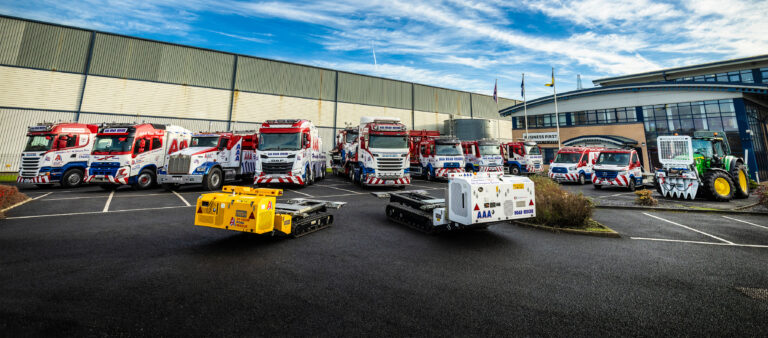
When Gerry Holmes started his recovery business, AAA Road Rescue, back in 1989 with just £100 in savings, little could he have guessed that some 36 years later, it would be a familiar name on the roads of Lancashire with 35 trucks covering all manner of recovery work.
"We literally had £100 when we started," laughs Gerry. "We built it up right from the bottom."
And built it he most certainly has. Today, AAA Road Rescue operates from two sites, in Clayton-le-Moors, near Accrington, and Leyland. The company takes on a wide variety of work, boasting contracts with Lancashire Police, various finance houses, commercial HGV and bus operators, private customers, and local councils. "That keeps us busy daily," says Gerry. "We do a lot with the local councils, such as lifting and shifting and fleet recoveries. And all our vehicle fleet maintenance is carried out in-house."
Gerry hasn't done this alone, though. He has had the help of his family. Gerry oversees the operation as MD, while brother-in-law Billy runs the Clayton base with brother Brendan, and brother-in-law Steve and sister Cath run…
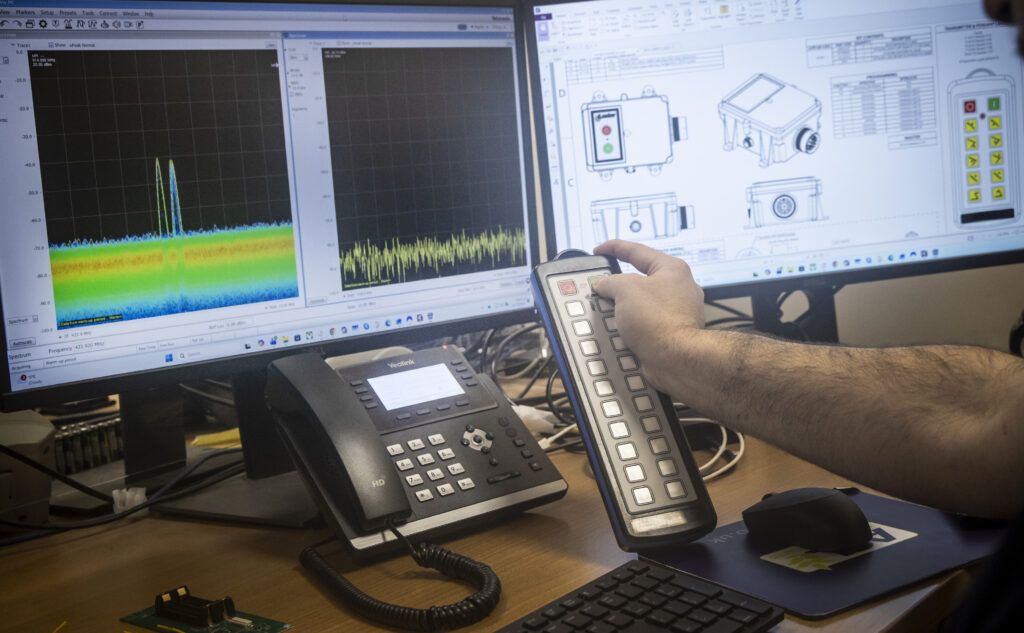
Lodar is well known in the recovery sector and elsewhere for its remote control systems. But perhaps not so well known is that the company started out as a very different operation
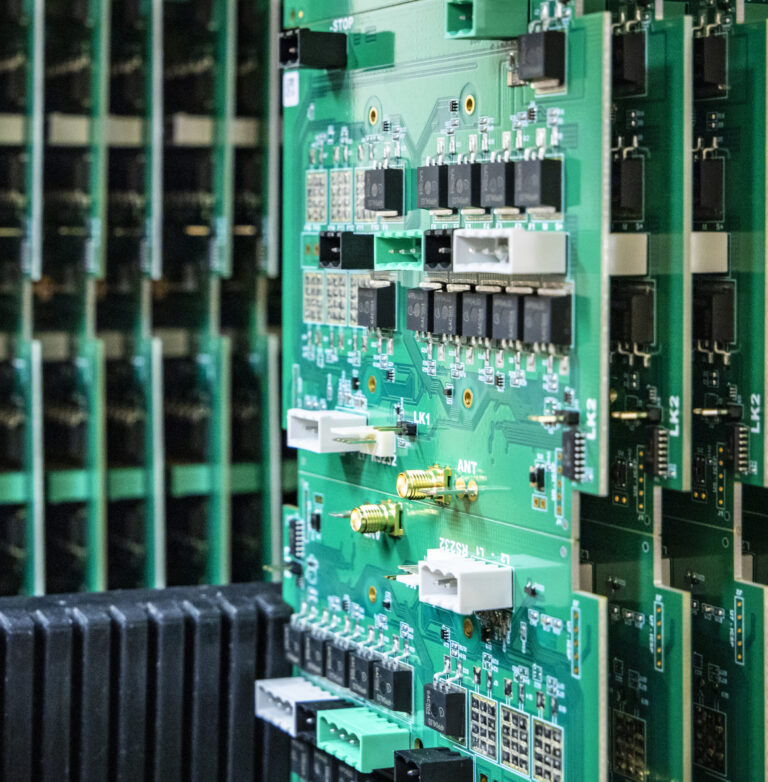
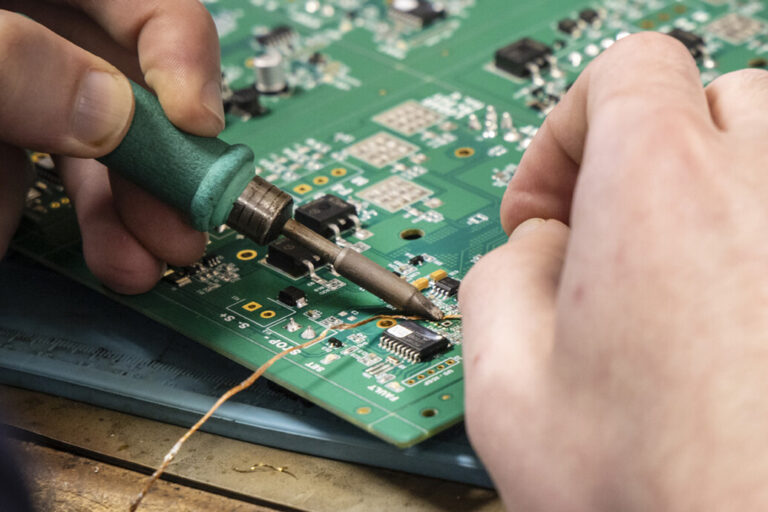
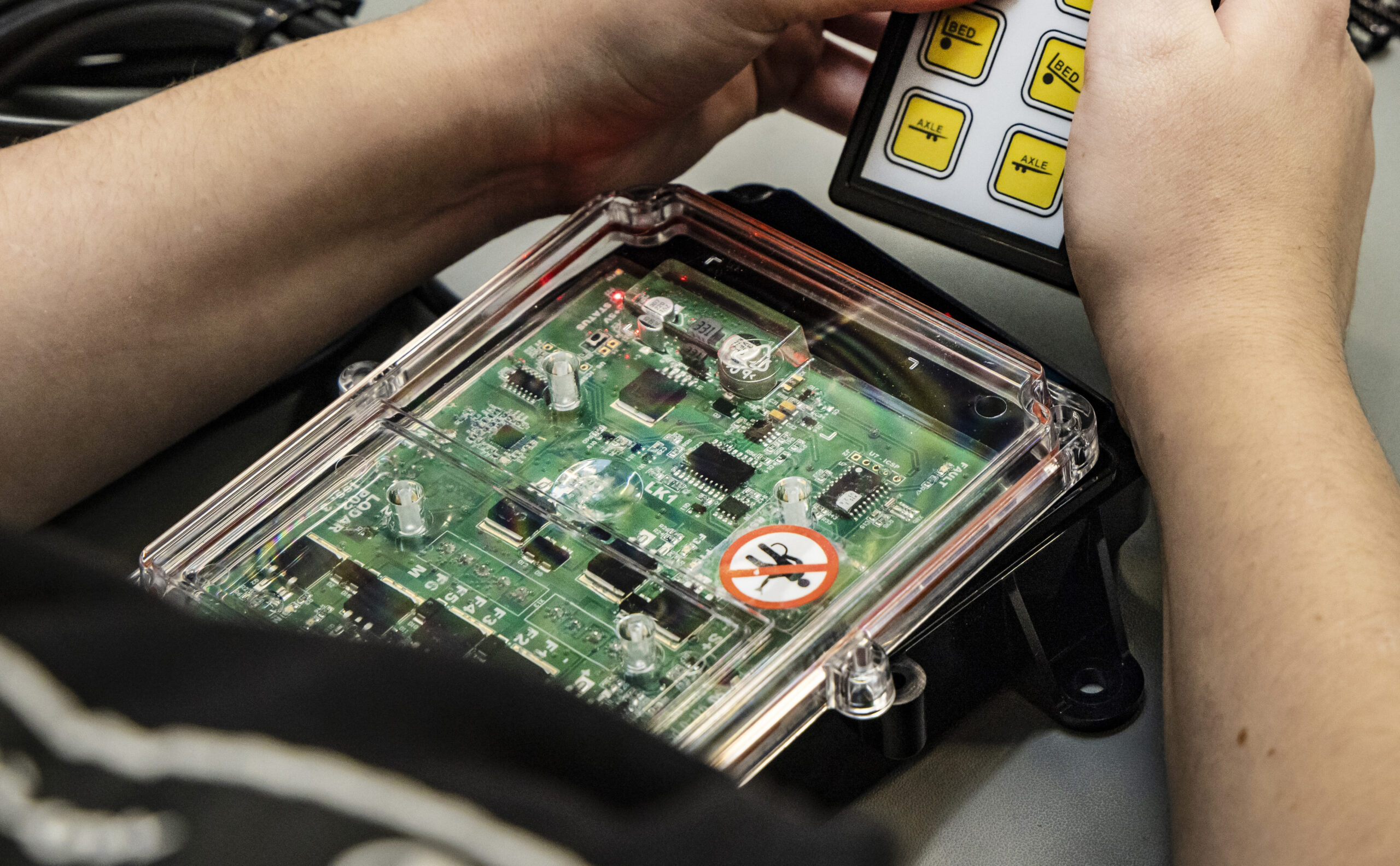
Whether it’s rotators, underlifts, slide-beds, spec lifts or heavy-duty winching systems, remote control plays a crucial role in safety in the recovery sector. And while it’s not the only company to manufacture remote control systems for this market, Lodar, based in Walsall in the West Midlands, remains one of the most trusted and longest established names in the industry, operating on a global scale.
“Being wireless, the technology means drivers can control a winch or other functions from the safest point, instead of being exposed on the roadside,” states Lodar director Carl Beard. “This means they can fully concentrate on the job at hand and often turns what was previously a two-man job into a one-man job.”
Lodar makes a selection of wireless radio remote controls that can be used in a wide range of applications. There are up to 40 functions that can be incorporated, so controls can be built to a user’s specific needs. Transmitters are available in a range of sizes.
Starting out on your own in any business is a big step, but as Matt West of g demonstrates, with solid experience behind you and a little luck along the way, there’s no reason it can’t turn into a real success. Bob Beech finds out more
Starting out on your own isn’t easy. Giving up the relative security of full-time employment and a regular wage for the unpredictability of working for yourself isn’t something to be entered into lightly. But for those who want to go it alone, it’s a step that must be taken. And if it proves successful, it can be the making of an individual as well as a business.
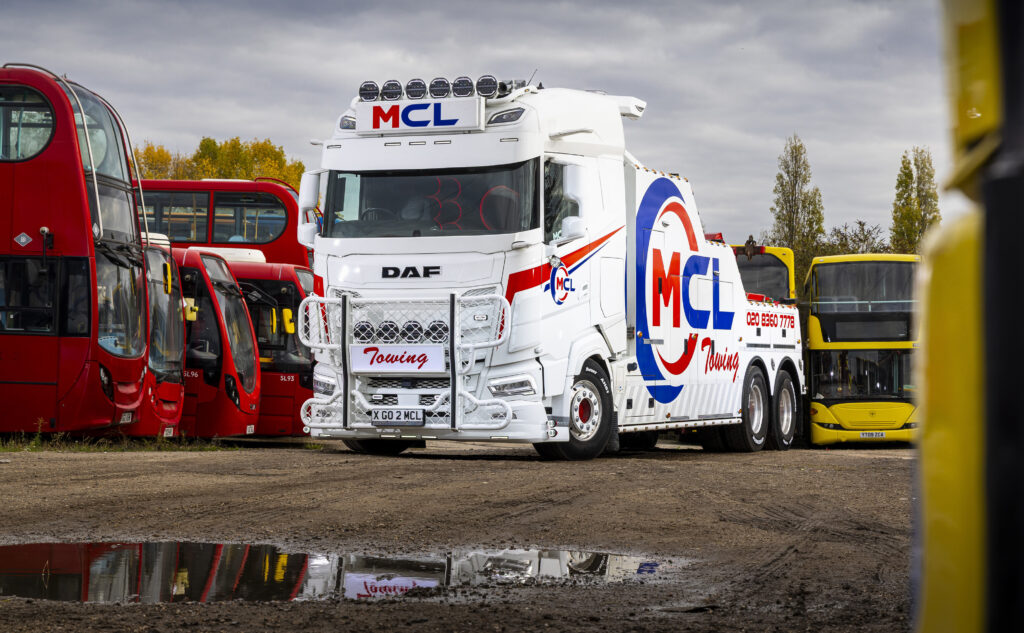
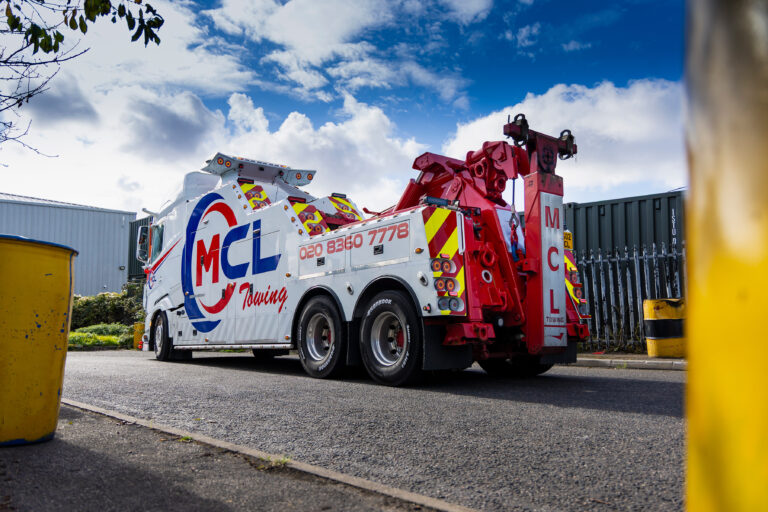
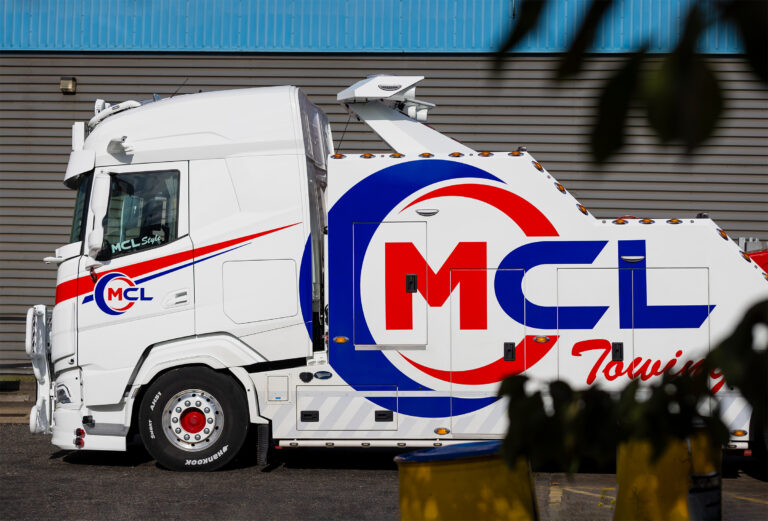
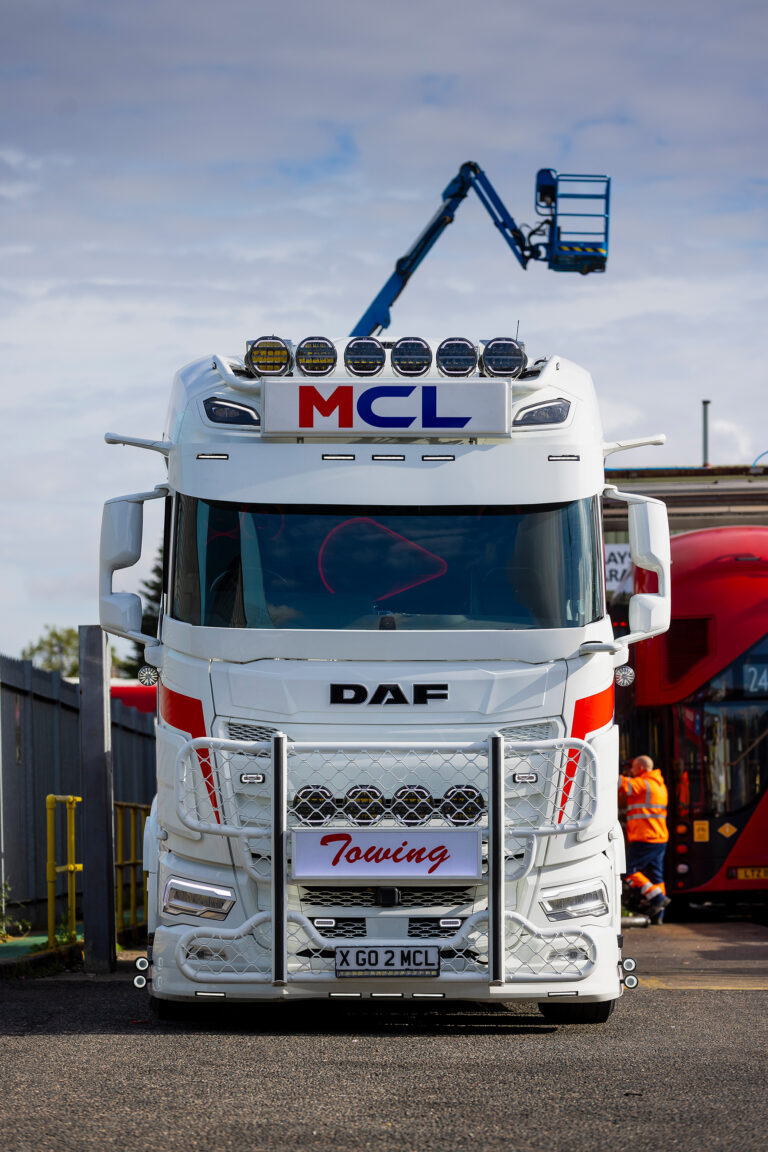
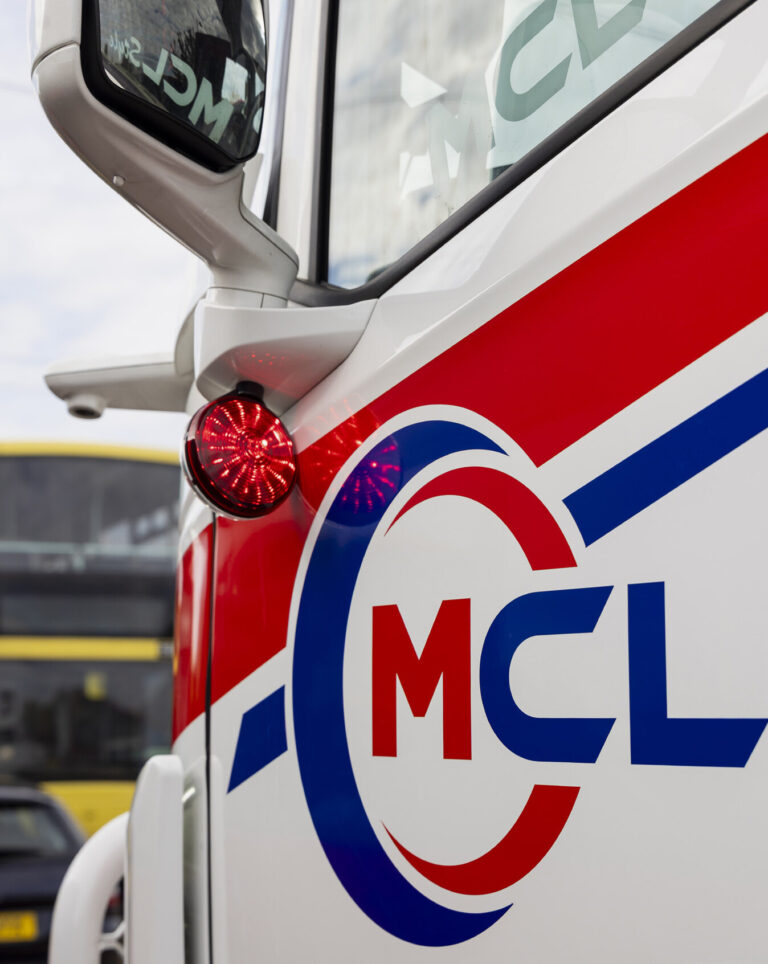
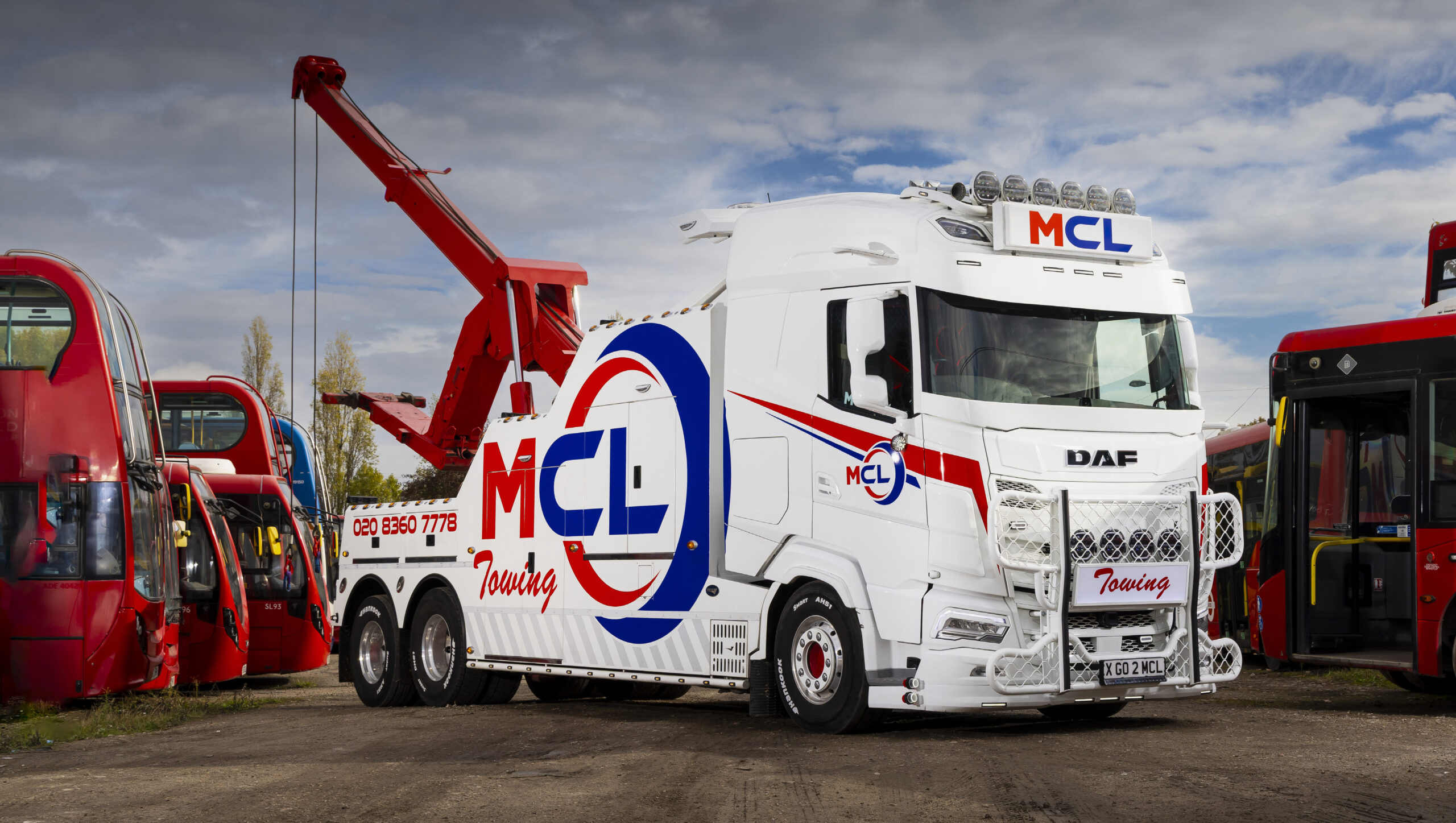
Enfield, North London-based Matt West took the big step into working for himself two years ago, setting up MCL Towing with a vehicle rented from another recovery operator. It proved a cost-effective and flexible way to get started, allowing him to test the market without making a huge investment.
Matt was determined that his new venture would operate in a professional way with a smart, well-equipped vehicle that would make a good impression. And he already had the benefit of over 20 years’ experience in the industry, after working for three well-known names.
Since first joining the roadside assistance sector at the age of 21, he has carried out all manner of light and heavy recovery work, working with and learning from a large…
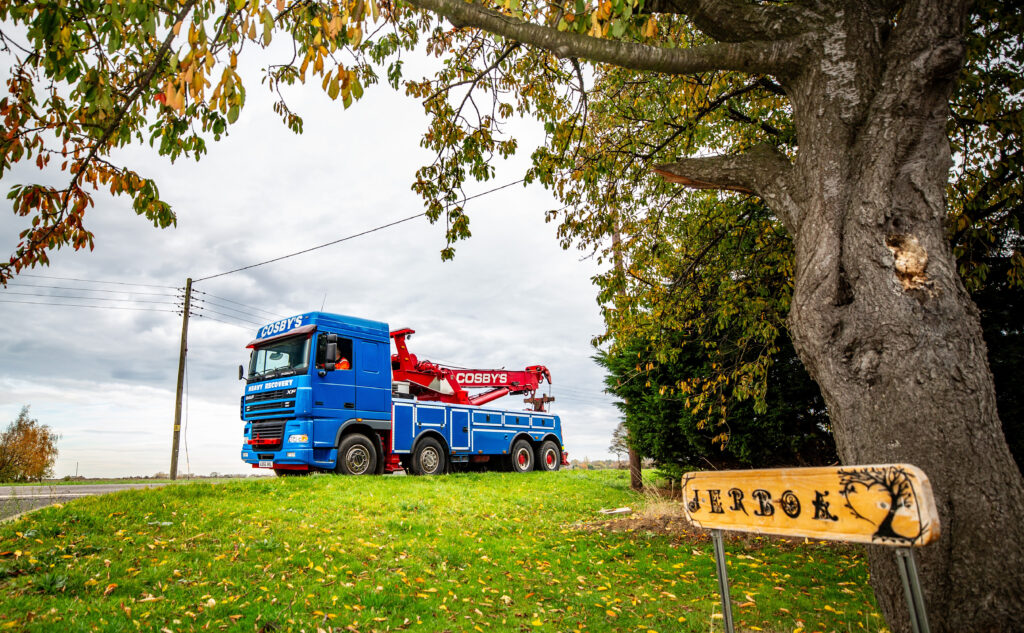
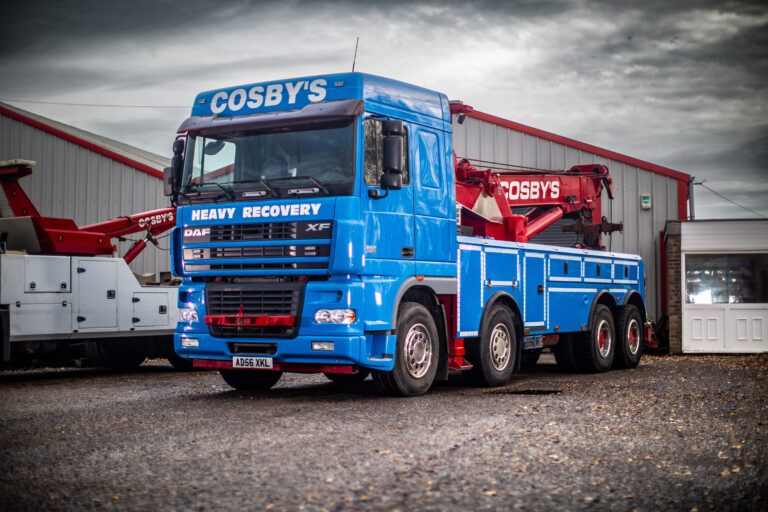
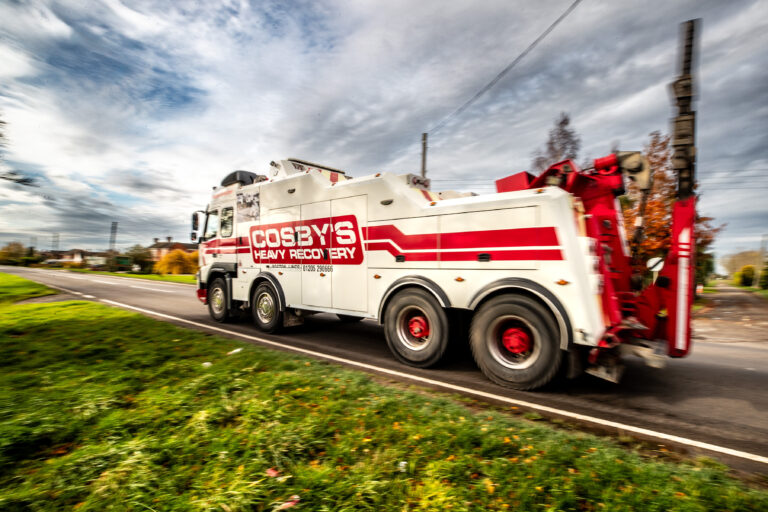
David Cosby has a passion for doing the job as well as possible – something that has led P&D Cosby to build its own recovery kit, import equipment from overseas and even create bespoke vehicles for others
There is little in the recovery world that David Cosby, owner of Boston-based P&D Cosby, hasn’t had direct experience of. Established over 60 years ago, this family-owned enterprise has done almost everything in the industry, from carrying out challenging heavy recovery operations to designing and building complex recovery vehicles and importing recovery equipment from around the world, as well as carrying out operator training and taking on roles in industry associations.
Many recovery operators put a great deal of trust in David’s opinion, be it on the finer points of heavy wrecker design, the issues affecting the industry, or the best way to recover a laden truck that has come to grief in a deep water-filled ditch at the end of a narrow country lane.
David spent many years working with his late father, Peter, who was one of the pioneers of vehicle recovery in this country.
“Although as a company we are associated with Lincolnshire and the Fenlands, both Mum and Dad originated from Northamptonshire, and they came here almost by default,” David tells us.
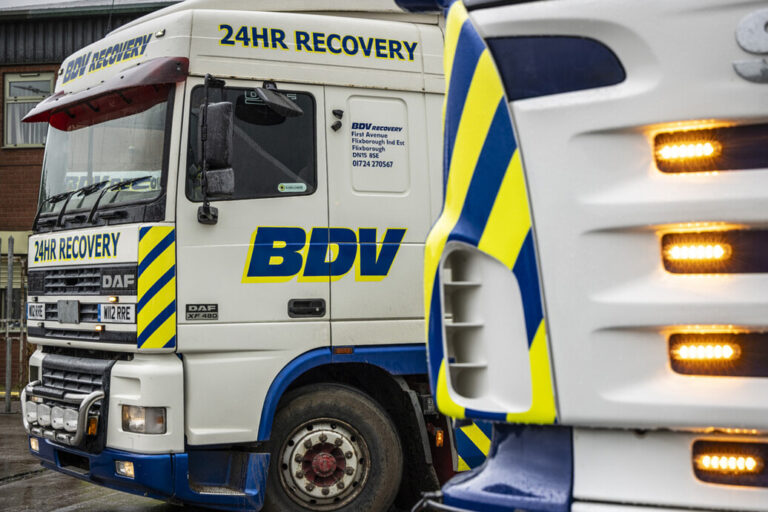
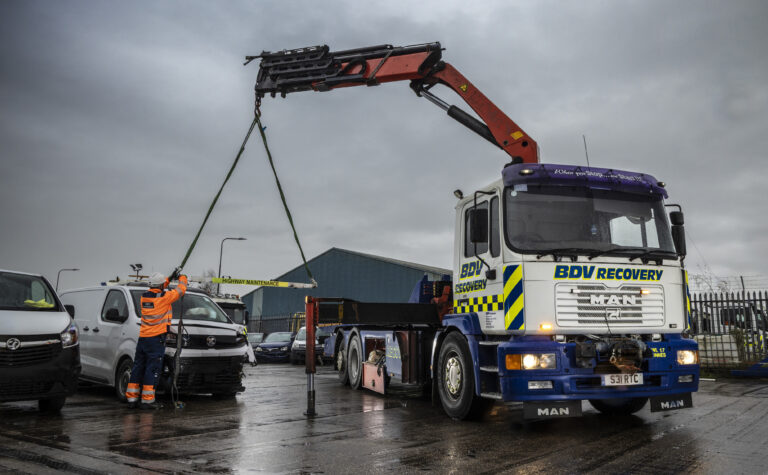
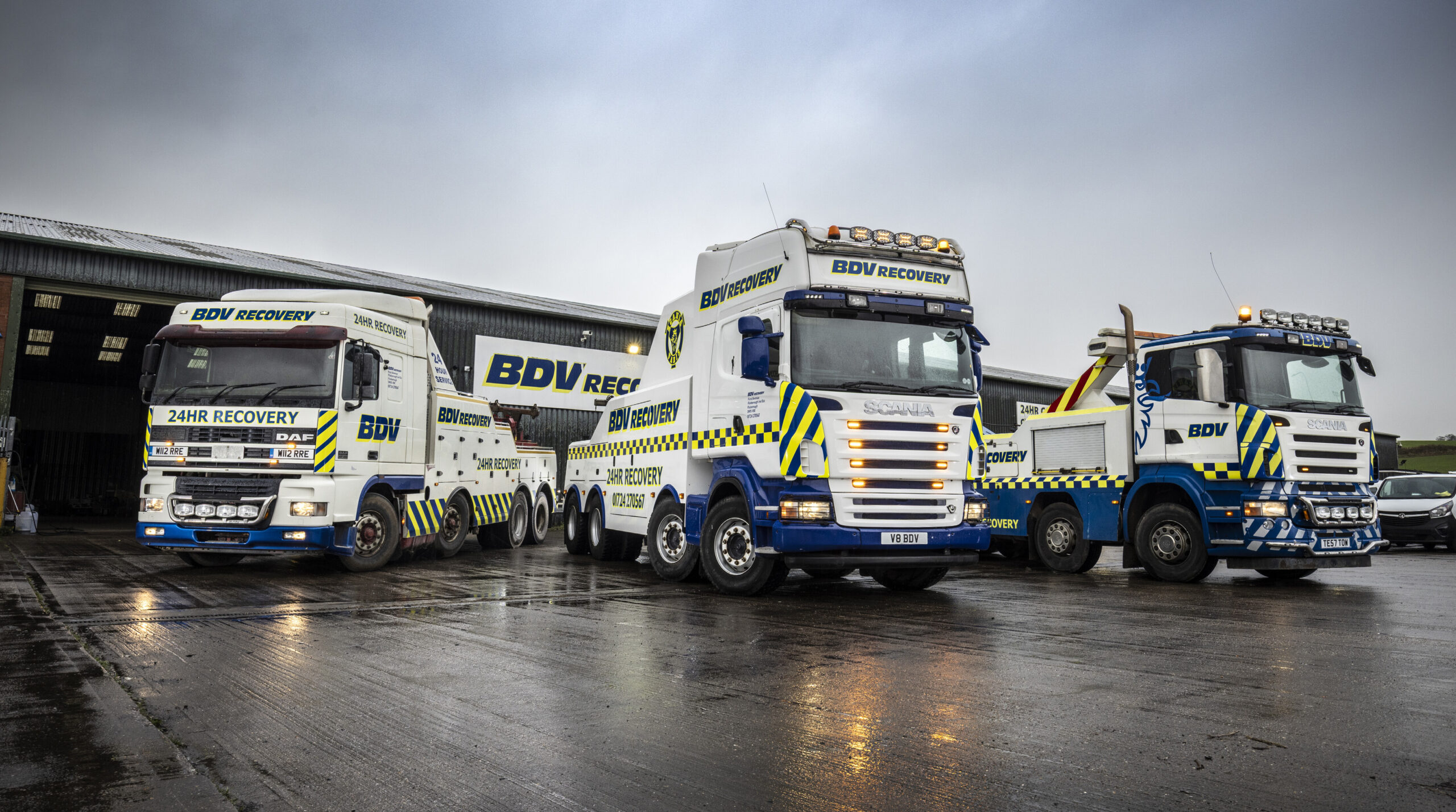
BDV recovery has come a long way in the 25 years since it was formed, thanks in large part to an expansion drive over the last decade. And it shows no signs of letting up yet
It was a case of new millennium, new recovery company, as BDV Recovery first opened its doors in 2000, founded by Russ Rucastle. Headquartered in Flixborough, Lincolnshire, the business has seen steady growth throughout the past quarter of a century. And now it is about to embark on its next expansion phase, boosting the company’s growth, including a new site in Grimsby that is set to operate as a car workshop and MOT centre and another site in Doncaster from which to run its recovery trucks.
The current managing director, Leon Fiori, joined BDV Recovery in October 2005. He brought a traffic management background and completed a management buyout in 2016. BDV Recovery built up its reputation as a dedicated free recovery provider within live highway works and roadworks environments and, in recent years, has expanded further into local and police recovery. The business operates with a strong customer first ethos and a clear focus on quality, safety and compliance, underpinned by ISO 9001, ISO 14001 and ISO 45001, PAS 43, NHSS 17 & 17B and cyber essentials.
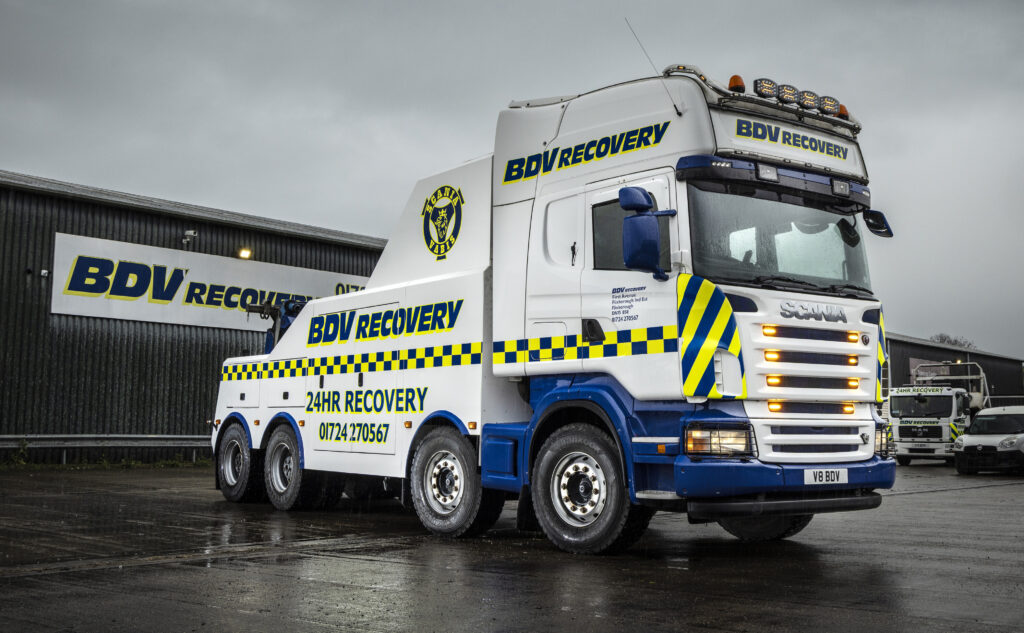
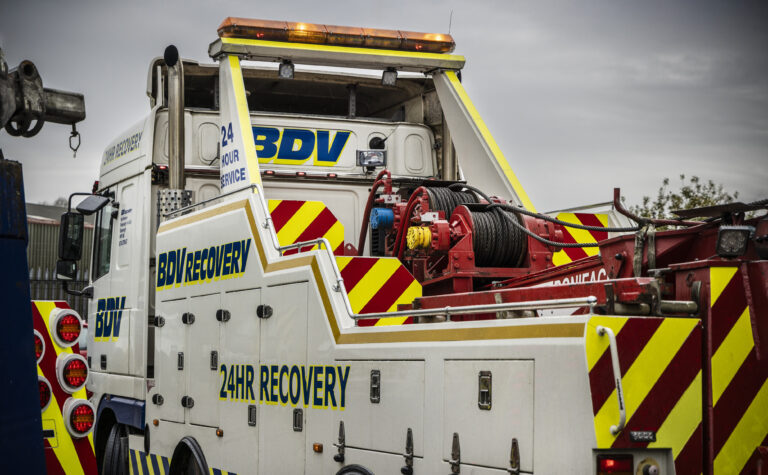
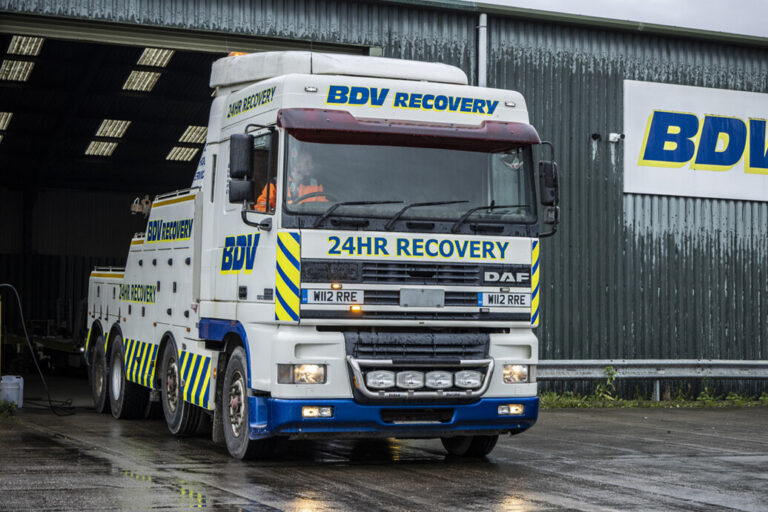
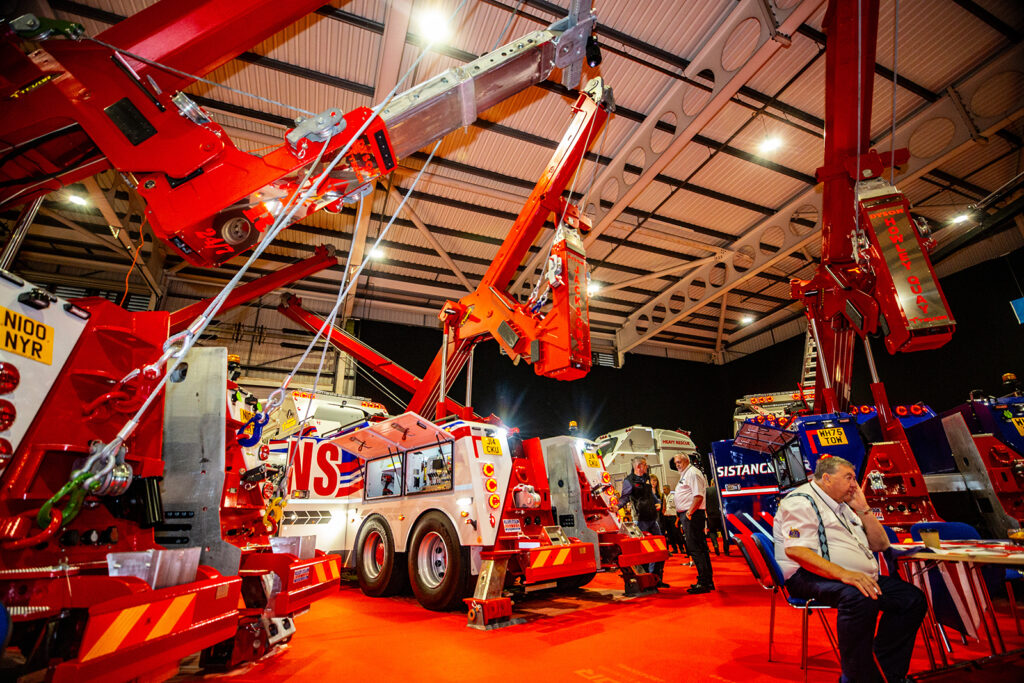
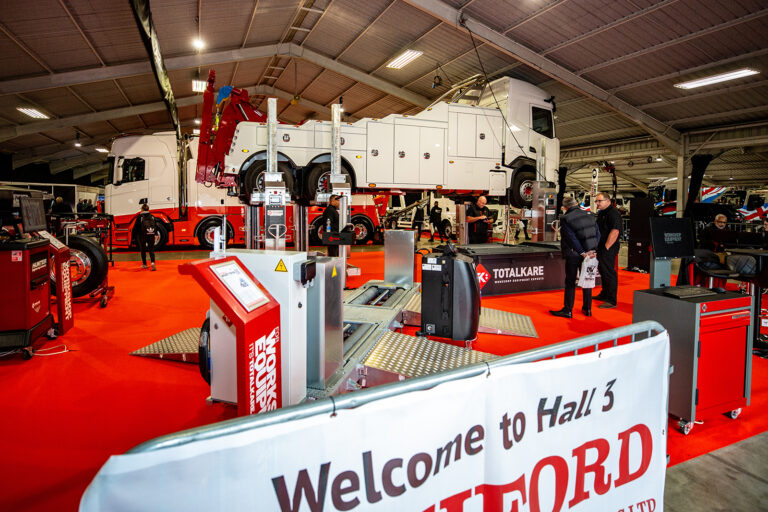
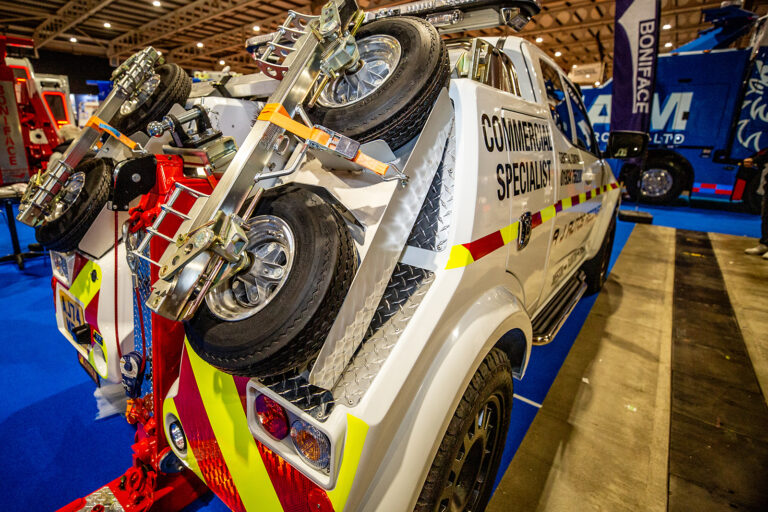
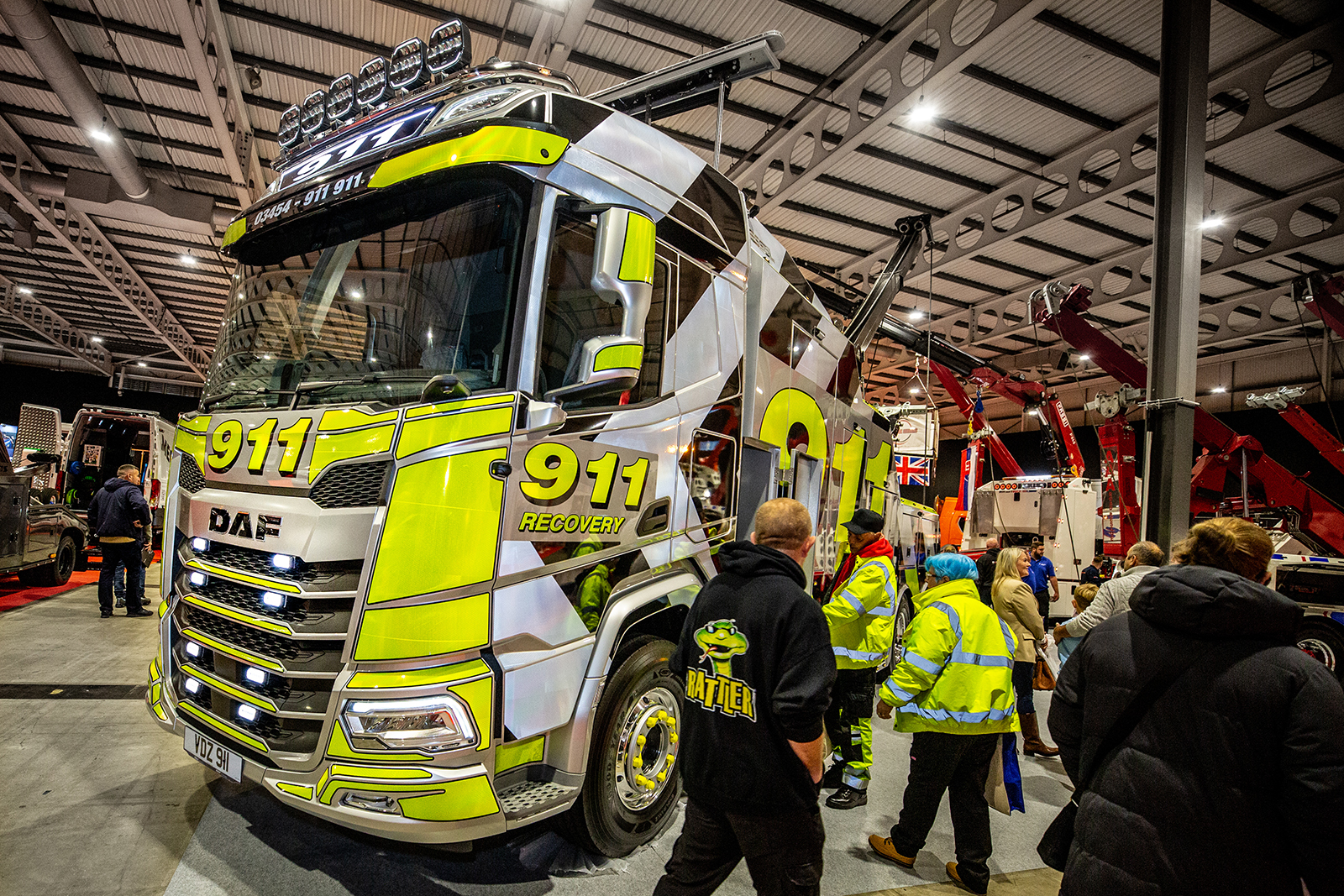
THIS YEAR’S TOW SHOW WAS PACKED WITH INTERESTING EXHIBITS AND TOOK PLACE AT A NEW VENUE THAT SEEMS TO HAVE GONE DOWN WELL WITH VISITORS AND EXHIBITORS ALIKE.
Although the first two days of October were not that long ago, in these dark days of winter it does now seem to be quite a while since everyone gathered at Stoneleigh Park, the new venue for the Tow Show,
As before, we are letting the pictures do the talking to highlight the stand-out exhibits at the event. After all, as they say, a picture is worth a thousand words.
What was clear at the show is that operators are still prepared to invest substantial sums in the right vehicles and equipment, and with skilled labour being both scarce and relatively expensive, it’s all the more worthwhile for them to equip recovery vehicles to a high standard and make them as flexible and as multi-functional as possible, allowing recovery operators to do more with fewer vehicles.
In a place where long miles, ageing ferries and harsh winters test every call-out,…
Read the featureScott Airbrushwork has been making vehicles stand out from the crowd for decades. Dan…
Read the featureRebooting the parts pipeline Bob Beech finds out how Mercedes-Benz Trucks is rebuilding its…
Read the featureIan Moulsdale has spent the past few years building his recovery fleet – literally.…
Read the feature

Three specialist titles. One essential weekly read.